What Exactly Does an MRI Technologist Do?
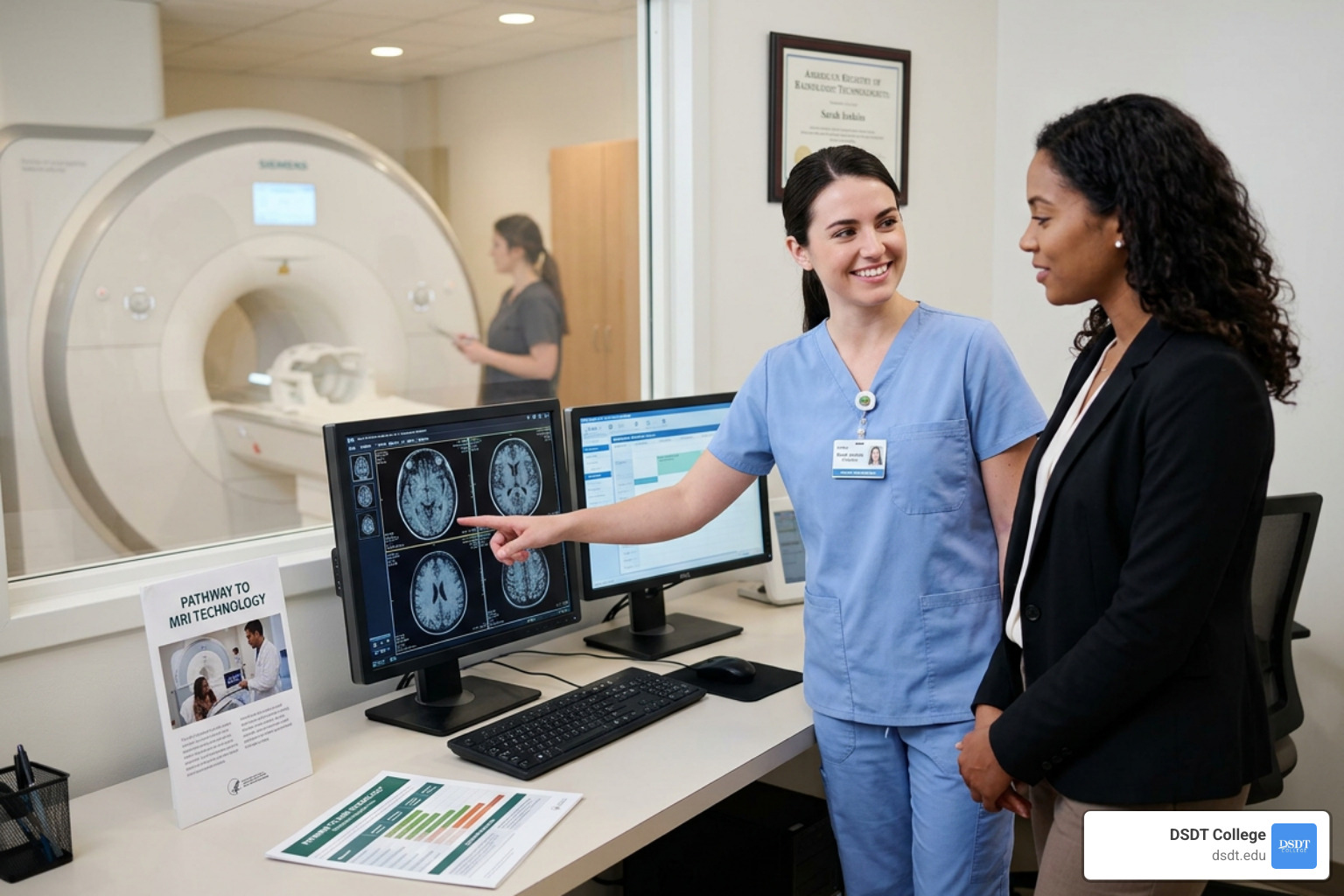
The role of an MRI technologist is both specialized and crucial within the healthcare ecosystem. These professionals are the backbone of diagnostic imaging, operating sophisticated Magnetic Resonance Imaging (MRI) equipment to create detailed images of the human body’s organs, soft tissues, bone, and virtually all other internal body structures. These images are then used by physicians to diagnose a wide array of medical conditions, from neurological disorders and musculoskeletal injuries to cardiovascular issues and various forms of cancer.
The Core Responsibilities of an MRI Technologist
Our MRI technologists perform a variety of essential tasks that ensure accurate and safe imaging procedures. These responsibilities typically include:
- Patient Preparation and Education: We prepare patients for their MRI scans, which involves explaining the procedure, answering questions, and ensuring they understand what to expect. This helps alleviate anxiety and ensures patient cooperation during the scan.
- Ensuring Patient Comfort and Safety During Scans: Patient safety is paramount. We meticulously screen patients for any contraindications to MRI, such as pacemakers or metallic implants, and ensure they are positioned correctly and comfortably within the scanner. We also monitor patients throughout the procedure.
- Operating MRI Scanners and Related Computer Systems: Our primary duty involves operating the MRI scanner, selecting appropriate imaging parameters, and acquiring high-quality diagnostic images. This requires a deep understanding of MRI physics and advanced computer software.
- Administering Contrast Agents When Necessary: In some cases, we may administer contrast agents intravenously to enhance the visibility of certain tissues or pathologies. This requires careful attention to patient history and potential allergic reactions.
- Reviewing Images for Quality and Accuracy: After acquiring images, we critically review them to ensure they meet diagnostic standards. We look for proper positioning, image clarity, and completeness before submitting them to radiologists for interpretation.
- Documenting Procedures and Patient Information: Accurate record-keeping is vital. We document all aspects of the MRI procedure, including patient history, scan parameters, and any observations during the exam.
Where Do MRI Technologists Work?
MRI technologists primarily work in clinical settings that require advanced diagnostic imaging. The work environment is often and requires precision and excellent patient interaction skills.
- Hospitals and Outpatient Centers: A significant majority of MRI technologists, about 59%, are employed in hospitals. Outpatient care centers and diagnostic imaging facilities also offer numerous opportunities.
- Full-time Schedules with Potential for Evenings, Weekends, or On-call Hours: Given the 24/7 nature of healthcare, many MRI technologists work full-time, and schedules can include evenings, weekends, or on-call rotations, providing flexibility for those who prefer varied hours.
- Physical Demands of the Role: The job often involves standing for extended periods, assisting patients with positioning, and moving equipment, requiring a certain level of physical stamina.
Specialized Areas in MRI
The field of MRI is constantly evolving, leading to various specializations that allow technologists to focus on particular anatomical regions or advanced imaging techniques. These can include:
- Neurological Imaging: Specializing in brain, spinal cord, and nervous system scans.
- Musculoskeletal Imaging: Focusing on joints, muscles, ligaments, and bone structures.
- Abdominal and Pelvic Imaging: Concentrating on organs within the abdomen and pelvis.
- Cardiovascular Imaging: Performing scans of the heart and major blood vessels.
- Pediatric MRI: Working with children, often requiring specialized techniques for patient comfort and cooperation.
- Functional MRI (fMRI) and Research Applications: Participating in studies that map brain activity or develop new imaging protocols.
What Degree and Education Are Required to Become an MRI Technologist?
If you’re aspiring to become an MRI technologist, understanding the educational pathways is your first step. The most common entry point into this rewarding career is through formal education, typically at the associate’s degree level, followed by national certification.
The Foundational Associate’s Degree
An Associate of Applied Science (AAS) degree is widely recognized as the primary entry-level education for MRI technologists. This comprehensive program provides a robust foundation in essential medical and scientific knowledge, including:
- Anatomy and Physiology: A detailed understanding of the human body’s structure and function.
- Patient Care: Skills in patient communication, comfort, and safety protocols.
- MRI Principles: In-depth knowledge of MRI physics, imaging sequences, and equipment operation.
- Medical Terminology: The specialized language of healthcare.
This degree pathway is designed to equip students with both the theoretical knowledge and practical skills needed to excel in the field and prepare for national certification exams.
The Path for Existing Radiologic Technologists
Many MRI technologists enter the field after first becoming certified radiologic technologists (R.T.(R)). This pathway, often referred to as the “postprimary eligibility pathway” by certifying bodies, typically involves:
- Earning an Associate’s or Bachelor’s degree in Radiography: This provides the initial foundation in medical imaging.
- Obtaining Primary Certification: Becoming a certified Radiographer through organizations like the American Registry of Radiologic Technologists (ARRT).
- Specialized MRI Training or a Certificate Program: After achieving primary certification, these individuals pursue additional education focused specifically on MRI, which can be a certificate program or structured education. This specialized training can often be completed in about one year.
This route leverages existing knowledge and experience in medical imaging, providing a streamlined transition into MRI. You can learn more about how to become an MRI tech through various pathways by exploring resources like How to Become an MRI Tech.
Prerequisites and Program Entry
Regardless of the specific pathway chosen, there are common prerequisites for entering MRI technology programs:
- High School Diploma or GED: This is a universal requirement for admission to virtually all post-secondary education programs, including ours.
- Valid Identification: A valid government-issued ID is typically required for enrollment.
- Prior Healthcare Experience or Specific Science Coursework: While not always mandatory for an Associate’s degree in MRI Technology, some programs may prefer or recommend applicants with a background in healthcare or strong academic performance in science subjects like biology, chemistry, or physics.
The Importance of Accreditation
Choosing an accredited program is absolutely crucial for your future career as an MRI technologist. Accreditation ensures that a program meets rigorous educational standards and prepares you adequately for professional practice. More importantly, graduation from an accredited program is typically a mandatory requirement for eligibility to sit for national certification exams, such as those offered by the ARRT. Without graduating from an accredited program, you may not be able to become a certified MRI technologist, which is often required by employers and state licensing boards.

How Does DSDT College Prepare You for an MRI Technologist Career?
At DSDT College, we are dedicated to providing comprehensive and industry-relevant education that prepares our students for successful careers in high-demand fields like MRI Technology. Our programs are designed with direct input from industry leaders to ensure you gain the most current and practical skills.
DSDT’s Associate of Applied Science in MRI Technology
We proudly offer an Associate of Applied Science in Magnetic Resonance Imaging (MRI) Technology. This program is specifically structured as an ARRT Primary Pathway, meaning it directly prepares students, including those without prior radiologic experience, to meet the educational requirements for ARRT certification in MRI. Upon successful completion of all semester credit hours, including general education and technical courses, our students receive their associate degree, ready to embark on a fulfilling career. You can find more detailed information about our program on our dedicated page: More info about DSDT’s MRI Technology Associate Degree.
Admission to DSDT’s MRI Technology Program
We strive to make our admissions process clear and supportive. To be considered for our MRI Technology program, prospective students need to meet the following requirements:
- High School Diploma or GED: A foundational educational credential is required.
- Valid ID: A current government-issued identification.
- Attendance at an Orientation: This helps us ensure you understand the program’s demands and expectations.
- Completion of an Enrollment Agreement: Formalizing your commitment to your education with us.
We are also proud to be a military-friendly institution and prioritize military veterans for enrollment, recognizing their service and commitment.
Program Structure and Duration
Our Associate of Applied Science in MRI Technology program is meticulously structured to deliver a comprehensive education. Students will receive their associate degree after the successful completion of all required semester credit hours, encompassing both essential general education courses and specialized technical courses within the program. The curriculum is designed to provide a thorough understanding of MRI principles and practices, preparing you for immediate entry into the workforce.
Comprehensive Curriculum and Practical Training
Our program provides a robust blend of didactic instruction and hands-on training, ensuring our students are well-prepared for real-world clinical environments. The curriculum is carefully designed to cover:
- Essential MRI Principles: Delving into the physics and technology behind magnetic resonance imaging.
- Patient Care and Safety: Emphasizing compassionate patient interaction and strict safety protocols within the MRI environment.
- Advanced Imaging Techniques: Learning to operate state-of-the-art MRI equipment and perform various imaging sequences.
We focus on sequential learning steps, integrating practical experience with theoretical knowledge to build competency and confidence.
Industry Expertise Guiding Your Education
The quality of our MRI Technology program is significantly enhanced by our dedicated faculty and a highly experienced occupational committee. These professionals ensure our curriculum remains cutting-edge and directly relevant to industry needs.
Our program leadership includes:
- Sean Strickler, MRI Program Director: Holds a Master of Science in Radiologic Sciences from Midwestern State University, bringing advanced academic and practical insights.
- Lamiis Khalifa, Adjunct Faculty: Also holds a Master of Science in Radiologic Sciences from Midwestern State University, contributing valuable expertise to our teaching staff.
Our occupational committee members provide invaluable real-world perspective, boasting experience in medical imaging:
- Shane Bannister: MRI & Accreditation Manager at SimonMed Imaging, with an impressive 32 years of experience in the field.
- Victoria L. Bedel: Senior VP of Operations at RadNet, with 25 years of experience overseeing over 100 imaging centers and managing more than 2.5 million procedures annually.
- Joe Seibert: A licensed Radiologic Technologist with over 20 years specializing in MRI and CT, offering deep technical knowledge.
These experts ensure our graduates are equipped with the skills and knowledge that employers are actively seeking.
Tuition and Financial Guidance
We understand that investing in your education is a significant decision. For detailed information on tuition and fees for DSDT’s MRI Technology degree program, we encourage all prospective students to speak directly with a DSDT Admissions Representative. Our team can provide personalized guidance on program costs and available financial aid options.
As a military-friendly school, we are proud to support our nation’s service members and their families. Eligible veterans and active-duty personnel may be able to utilize their GI Bill® benefits or Tuition Assistance to fund their education with us. We invite you to explore all our program offerings and financial aid resources: More info about DSDT Programs.
What Certifications and Career Prospects Await MRI Technologists?
Completing your education is a monumental step, but the journey to becoming a fully qualified and successful MRI technologist includes crucial certifications and opens doors to a promising career landscape.
Achieving National Certification
After successfully completing an accredited MRI technology program, such as our Associate of Applied Science in MRI Technology, the next vital step is to obtain national certification. This credentialing process validates your expertise, demonstrates your commitment to professional standards, and is often a mandatory requirement for employment across the nation. The two primary certifying bodies for MRI technologists are:
- The American Registry of Radiologic Technologists (ARRT): Earning the R.T.(MR) credential from ARRT is widely recognized and highly respected within the medical imaging community. It signifies that you have met rigorous standards in education, ethics, and examination. You can learn more about ARRT certification directly from their website: ARRT.
- The American Registry of Magnetic Resonance Imaging Technologists (ARMRIT): ARMRIT also offers certification for MRI technologists, providing another pathway to validate your skills and knowledge. For more information on their certification process, visit their site: American Registry of Magnetic Resonance Imaging Technologists (ARMRIT).
State Licensure
While national certification is paramount and often a prerequisite, it’s important to note that some states also require specific licensure to practice as an MRI technologist within their borders. These state-specific requirements can vary, so we always advise our students to research the regulations for the particular state or states where they plan to work. Our team can help guide you to relevant resources for this research.
Promising Career Opportunities
The demand for skilled MRI technologists remains strong, driven by an aging population and the increasing use of medical imaging for diagnosis and treatment planning. As an MRI technologist, you’ll find diverse career opportunities across various healthcare settings:
- Hospitals: These are the largest employers of MRI technologists, offering a wide range of cases and often opportunities for specialization.
- Outpatient Care Centers: These facilities typically offer more predictable schedules and focus on scheduled diagnostic procedures.
- Diagnostic Imaging Centers: Specialized centers dedicated solely to various imaging modalities, including MRI.
- Physician’s Offices: Some larger medical practices or specialty clinics may employ MRI technologists directly.
Strong Job Outlook and Competitive Salaries
The career outlook for MRI technologists is very positive. According to the U.S. Bureau of Labor Statistics (BLS), the job outlook for radiologic and MRI technologists combined is projected to grow 5% from 2024 to 2034. This growth rate is considered faster than the average for all occupations and is expected to result in approximately 15,400 job openings each year due to both growth and the need to replace workers who exit the profession.
In terms of compensation, MRI technologists earn competitive salaries. As of May 2024, the BLS reported that the median annual salary for MRI technologists was $88,180. It’s worth noting that salaries can vary based on experience, location, and the type of facility. For instance, those working in outpatient care centers often earn higher salaries, with a median annual salary reported to be about $128,000. For the most up-to-date information, you can refer to the official BLS Occupational Outlook Handbook: Radiologic and MRI Technologists : Occupational Outlook Handbook: : U.S. Bureau of Labor Statistics.
DSDT’s Placement Assistance
At DSDT College, our commitment to our students extends beyond graduation. We understand the importance of securing meaningful employment, and we are dedicated to supporting our graduates in their career journeys. We provide placement assistance to help our students secure MRI technologist roles. This support leverages our strong industry connections, including those cultivated through our expert occupational committee members, to help match our qualified graduates with available opportunities in facilities across the nation.
Frequently Asked Questions about MRI Technologist Degrees
What is the fastest way to become an MRI technologist?
The fastest route typically involves earning an Associate’s degree in MRI Technology or Radiography (approximately 2 years), followed by national certification. For those already certified as radiologic technologists (R.T.(R.)), a specialized MRI certificate program or structured education can often be completed in about 1 year, leveraging their existing medical imaging background. Our Associate of Applied Science in MRI Technology is designed as a direct primary pathway for new entrants.
Do I need prior healthcare experience to enroll in an MRI program?
While not always strictly required for an Associate’s degree in MRI Technology, some programs may prefer applicants with a background in healthcare or specific science courses. For postprimary certification pathways, prior certification as a radiologic technologist (R.T.(R.)) is a prerequisite. Our program at DSDT College is structured for individuals with or without prior healthcare experience, provided they meet our general admission requirements.
Is DSDT College’s MRI program nationally recognized?
Yes, DSDT College is a nationally accredited institution. Our Associate of Applied Science in MRI Technology program is specifically designed to meet the educational requirements for national certification through organizations like the ARRT (American Registry of Radiologic Technologists), ensuring our graduates are prepared for professional practice and recognized across the nation.
Conclusion
Becoming an MRI technologist is a rewarding career choice within the dynamic and ever-evolving field of medical imaging. The most common and effective pathway involves earning an Associate of Applied Science degree, followed by rigorous national certification. This educational journey equips you with the specialized knowledge and practical skills necessary to operate advanced MRI equipment, ensure paramount patient safety, and contribute significantly to diagnostic healthcare.
With a strong job outlook and competitive salaries, the demand for qualified MRI technologists continues to grow across the nation. Institutions like DSDT College offer comprehensive programs, expert faculty, and industry-aligned curricula to prepare you for success. We are proud to provide an ARRT Primary Pathway Associate of Applied Science in MRI Technology, guided by seasoned industry professionals, and supported by our commitment to student placement assistance. If you’re ready to embark on this exciting and vital career path, we invite you to explore the possibilities and take the first step towards a fulfilling future in MRI technology with us.