Joining the Google Cloud ecosystem is a strategic move for any service provider, but it requires more than just a passion for the cloud. To start, your organization must establish a formal foundation. This begins with having a registered business that includes a physical address and a professional domain. You cannot join the program using a generic personal email address; Google requires a corporate identity to verify the legitimacy of your operations.
The gateway to this ecosystem is the Partner Advantage Program. This program is designed to provide the tools, training, and support necessary to help businesses succeed with Google Cloud technology. Once you have your business basics in order, the next hurdle is technical validation. Google doesn’t just take your word for it; they want to see that you have skin in the game. This involves providing a demonstrated use-case where your company has successfully utilized Google Cloud Platform (GCP) services to solve a real-world problem.

Certification and Personnel Google Cloud Partner Requirements
The “people” requirement is often where smaller firms need to focus their initial energy. For basic Partner status, you must have at least two individuals within your organization who hold a Google Cloud Professional Certification. These aren’t entry-level badges; they are rigorous credentials that prove a high level of technical proficiency.
Commonly sought-after certifications include:
- Professional Cloud Architect: For those who can design and manage robust, secure, and scalable solutions.
- Professional Data Engineer: For experts in designing and building data processing systems.
If you are just starting out or looking to upskill your team to meet these Google Cloud partner requirements, we recommend looking into specialized training. For example, our technology professional programs are designed to provide the foundational knowledge needed to pursue high-level industry credentials. Once your team is certified, the next step is to Submit Google Cloud Partner Application through the official portal.
Minimum Engagement and Business Criteria
Beyond certifications, Google looks at your business’s “health” and engagement within the GCP ecosystem. While the entry-level “Member” status is relatively easy to achieve, moving to the “Partner” tier requires showing active customer engagement.
In the current framework, Google evaluates your Monthly Recurring Revenue (MRR) thresholds or the number of active customer engagements you maintain. They want to ensure that their partners are actively selling and implementing Google Cloud solutions rather than just holding the title. This is where a solid business plan becomes essential. You’ll need to outline how you intend to grow your Google Cloud practice and what specific industries or services you plan to target. To stay updated on the latest strategies and executive perspectives, we suggest exploring Partner Insights, which offers resources designed to power your partnership.
Step-by-Step: Moving from Member to Premier Tier
The journey within the Google Cloud Partner Advantage program is a ladder. Most organizations start as a Member. This is the “exploratory” phase where you gain access to the Partner Hub, training materials, and some internal-use software, but you don’t yet have the official “Partner” badge or the ability to be listed in the Partner Directory.
To move from Member to Partner, and eventually to Premier, you must adhere to the Partnering Principles. These principles serve as a “North Star,” emphasizing high standards for customers and a commitment to digital transformation.
| Tier | Key Requirements | Primary Benefits |
|---|---|---|
| Member | Business registration, domain, and application | Access to Partner Hub and training |
| Partner | 2 Professional Certs, 1 Use-Case, active GCP engagement | Listed in Partner Directory, co-branding |
| Premier | Higher certification counts, significant MRR, proven specializations | Highest level of GTM support, executive access |
| Diamond (2026) | Exceptional customer outcomes, highly selective | Exclusive “best-in-class” recognition |
The transition involves a formal application submission and a product assessment. Google will review your technical capabilities and your business’s ability to support customers at scale.
Evolution of Google Cloud Partner Requirements in 2026
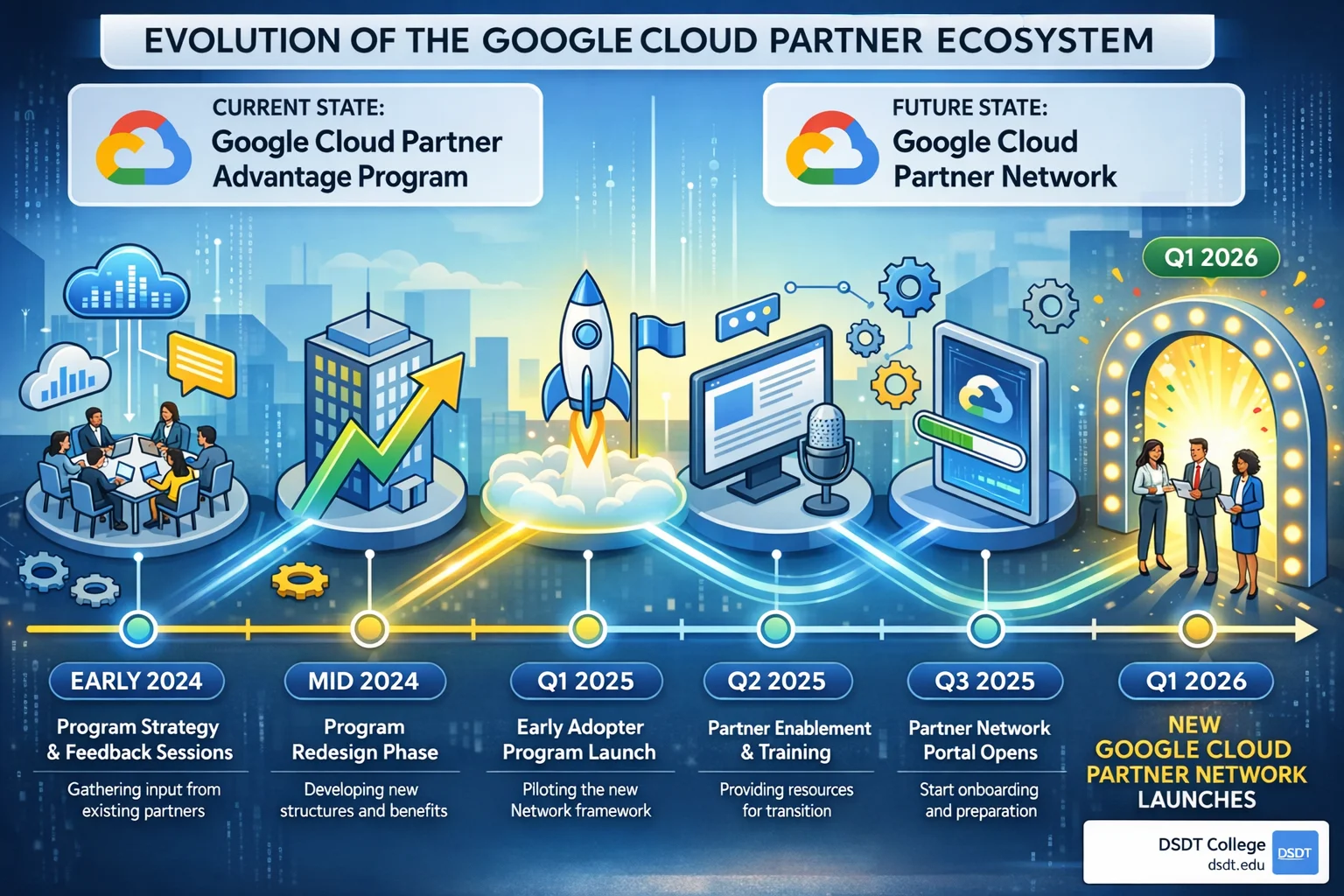
The landscape is shifting. Google has announced a major overhaul: the Google Cloud Partner Network, set to launch in Q1 2026. This isn’t just a name change; it’s a fundamental shift in how partners are measured. The program will move from the current two-tier model to a three-tier system: Select, Premier, and Diamond.
The Diamond tier is particularly noteworthy as it is designed to be intentionally selective, reserved for partners who demonstrate exceptional, measurable customer outcomes. Google is providing a six-month transition window starting in early 2026 to allow existing partners to adjust their business models and meet the new criteria.
Measuring Capacity and Capability in the New Program
The new program introduces a “Competency” framework that moves away from just counting heads and instead looks at two dimensions: Capacity and Capability.
- Capacity (Knowledge & Skills): This is measured by the number of technical certifications and sales credentials your team holds. It proves you have the “bench strength” to handle complex projects.
- Capability (Real-World Success): This is where the program gets innovative. It measures your pre-sales influence and post-sales contributions to “closed/won” opportunities.
Instead of filling out endless paperwork, Google is integrating AI-driven automation into the Partner Network Hub. This will automatically track your achievements and customer engagements, reducing administrative burdens and letting you focus on innovation.
Checklist for Google Cloud Marketplace and Specialized Programs
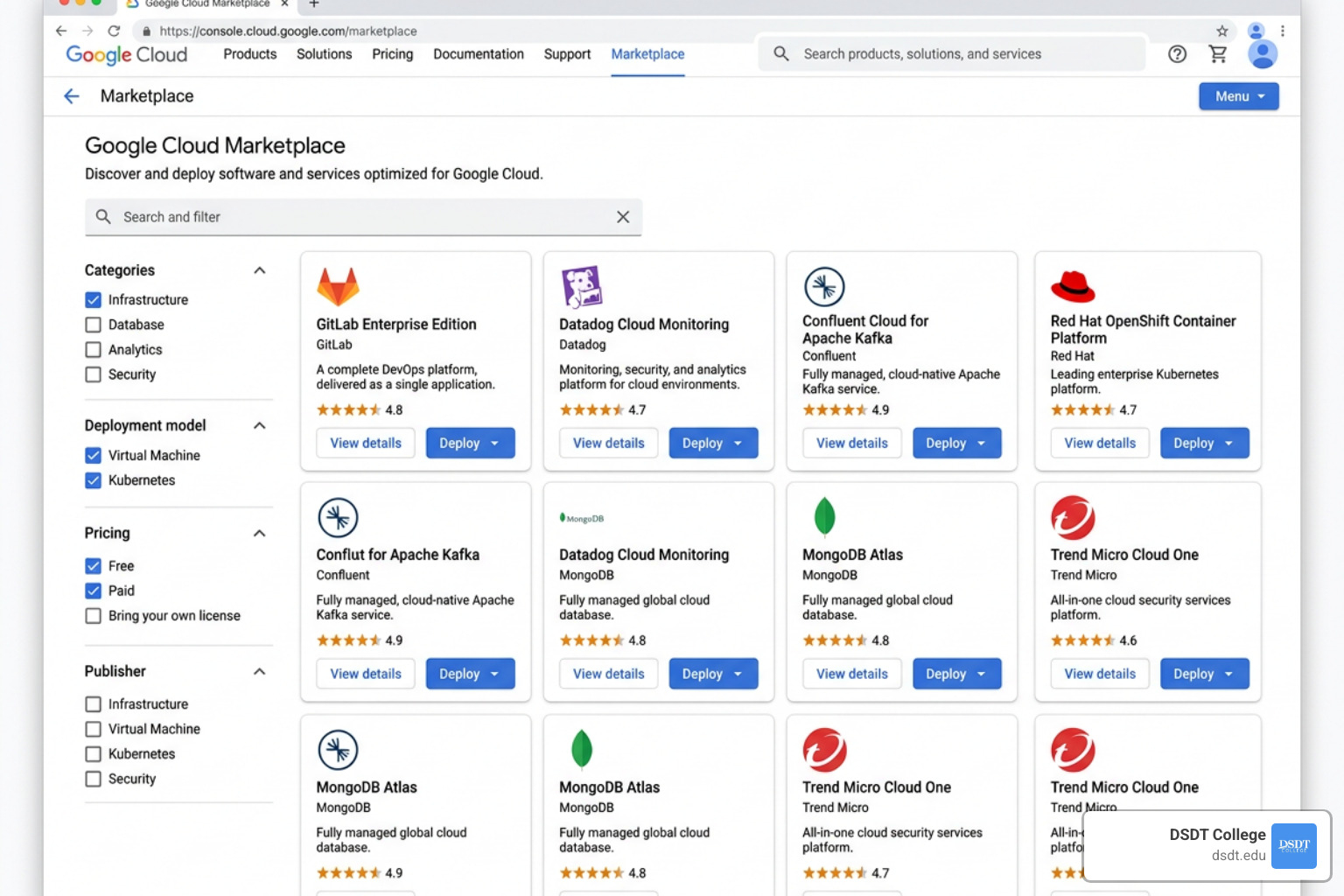
If your goal is to list a software product or service on the Google Cloud Marketplace, the Google Cloud partner requirements become even more specific. The Marketplace is a prestigious storefront, and Google maintains high standards to ensure “enterprise readiness.”
To list on the Marketplace, your organization must:
- Be a member in good standing of Partner Advantage.
- Be incorporated in a supported region to receive payments.
- Have a verified vendor account and payment profile.
Technical Hosting Patterns and Security
Google requires that products listed on the Marketplace primarily host on Google Cloud. They have identified seven approved hosting patterns. These include scenarios where the entire product runs on GCP, or where the “data plane” is on GCP while a minor “control plane” exists elsewhere.
Security is non-negotiable. Your product must be “production-ready” (no alpha or beta versions for public listing) and free of known vulnerabilities or malicious code. Furthermore, per the 2024 Protecting Americans’ Data from Foreign Adversaries Act, data products cannot contain sensitive personally identifiable information (PII). For those looking to understand the deeper technical architecture of these systems, our information technology associate degree provides a great foundation in networking and security principles. You can find the full list of Marketplace Requirements in the official documentation.
Google Cloud Ready and Distributed Cloud Requirements
For partners working in highly regulated or edge environments, the Google Cloud Ready – Distributed Cloud program is a specialized path. This program validates partner solutions that work with Google Distributed Cloud (GDC), including air-gapped and connected variants.
The validation process involves three phases:
- Evaluation: Running data integration tests in a sandbox environment.
- Enhancement: Filling any technical gaps identified during evaluation.
- Enablement: Jointly refining documentation to ensure customer success.
If you are already a partner and interested in this specific validation, you can fill out the Interest form to begin the conversation.
Frequently Asked Questions about Google Cloud Partnership
How many certifications are needed for basic Partner status?
To achieve basic Partner status (as a service provider), you generally need at least two individuals who each hold one Professional Google Cloud Certification. As the program evolves into the “Select” tier in 2026, these numbers may be adjusted based on the specific “Capacity” requirements of your chosen track.
What is the difference between the Premier and Diamond tiers?
While the Premier tier represents a high level of expertise and sales success, the upcoming Diamond tier (launching 2026) is the highest distinction. It is intentionally selective and focuses on partners who deliver “best-in-class” customer outcomes and significant co-innovation with Google Cloud.
What are the hosting requirements for Google Cloud Marketplace?
Products must primarily host on Google Cloud using one of seven approved architectural patterns. This ensures that the software leverages GCP’s infrastructure effectively, though minor components (like a control plane) may reside elsewhere if approved.
Conclusion
Navigating Google Cloud partner requirements is a journey of continuous improvement. From the initial steps of registering your business and getting your team certified to the advanced stages of achieving Diamond status or Marketplace listing, the focus remains on delivering real-world value to customers.
At DSDT College, we are committed to helping our students and the broader community in Detroit, Chicago, and across our many locations prepare for these high-demand tech roles. Whether you are interested in cybersecurity training programs, entry-level IT certifications like CompTIA A+, or pursuing an associate degree, we provide the hands-on learning and industry-aligned education needed to succeed.
The cloud is the future of business, and becoming a Google Cloud partner is one of the most effective ways to lead that transformation. We encourage you to explore our technology programs and take the first step toward mastering the skills that power the modern digital economy.