AI in Healthcare: Faster, Smarter, More Connected
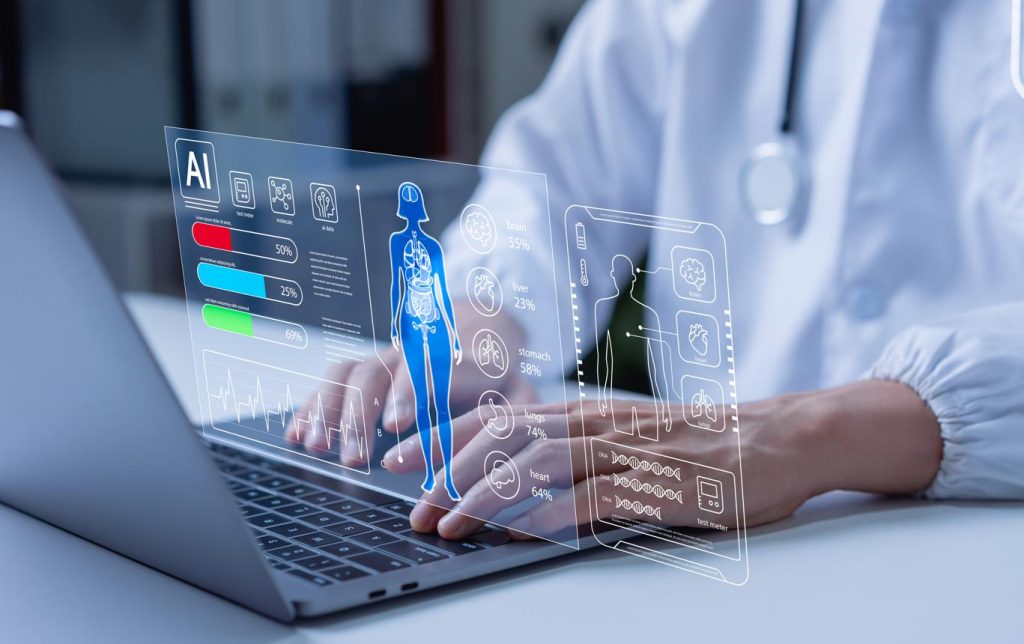
Healthcare is one of the fastest-growing fields, but it’s also becoming one of the most technology-driven.
AI is now used to:
- Help analyze patient data faster
- Assist in medical imaging and diagnostics
- Improve scheduling and patient flow
- Reduce administrative workload for staff
For entry-level roles like medical assistants and healthcare support staff, this means employers are no longer just looking for basic clinical knowledge. They want people who can also:
- Navigate digital health systems
- Understand data entry and electronic records
- Communicate effectively using modern tools
The human side of healthcare is still essential—but it’s now paired with digital fluency.
AI in IT: The New Baseline Is “Tech-Ready”
In information technology, AI is not just a tool—it’s becoming part of the job itself.
Modern IT teams use AI to:
- Detect cybersecurity threats in real time
- Automate routine troubleshooting
- Write and review code more efficiently
- Manage systems and networks at scale
This means entry-level IT roles are shifting. Basic tasks that once helped beginners “learn on the job” are increasingly automated.
So what matters now?
- Understanding how systems work, not just how to click through them
- Basic coding and scripting knowledge
- Cybersecurity awareness
- Comfort working alongside AI tools
The entry point hasn’t disappeared—it’s just more technical than before.
AI in Marketing: Creativity Meets Automation
Marketing is changing just as quickly.
AI tools now help create:
- Social media content
- Ad copy and email campaigns
- Audience targeting and analytics
- Trend forecasting and performance tracking
This doesn’t remove creativity—it raises the bar for it.
Entry-level marketers today need to understand:
- How to guide AI tools with strong prompts
- How to interpret data and campaign results
- How to create authentic, human-centered messaging
- How to stand out in a content-heavy digital world
The most successful beginners in marketing are no longer just content creators—they’re content strategists.
What This Means for Students Right Now
The biggest shift isn’t that entry-level jobs are disappearing.
It’s that employers now expect more from entry-level candidates.
Students entering the workforce today need a mix of:
- Technical skills (digital tools, platforms, AI awareness)
- Industry knowledge (healthcare, IT, or marketing fundamentals)
- Adaptability (ability to learn and adjust quickly)
The good news? These skills can be learned. But waiting is no longer an option.
Preparing for the Future Starts Now
At institutions like DSDT College, programs are built around preparing students for these real-world changes—not outdated job models.
Whether it’s healthcare, IT, or digital marketing, the focus is the same:
- Practical, career-ready training
- Exposure to modern tools and technologies
- Skills aligned with what employers actually need today
Final Thought
AI isn’t just changing jobs—it’s changing how people enter the workforce entirely.
Entry-level roles are becoming more skill-focused, more digital, and more dynamic. For students, the message is clear: the future isn’t waiting, and neither are employers.
The question isn’t whether entry-level jobs still exist.
It’s whether you’re ready for what they’ve become.