From Zero to Tech Hero: Your IT Career Pathway
Discover entry level IT jobs: top roles, salaries, skills, certifications & tips to launch your tech career with no experience!
A Comprehensive List of Computer Jobs and Salaries for 2025
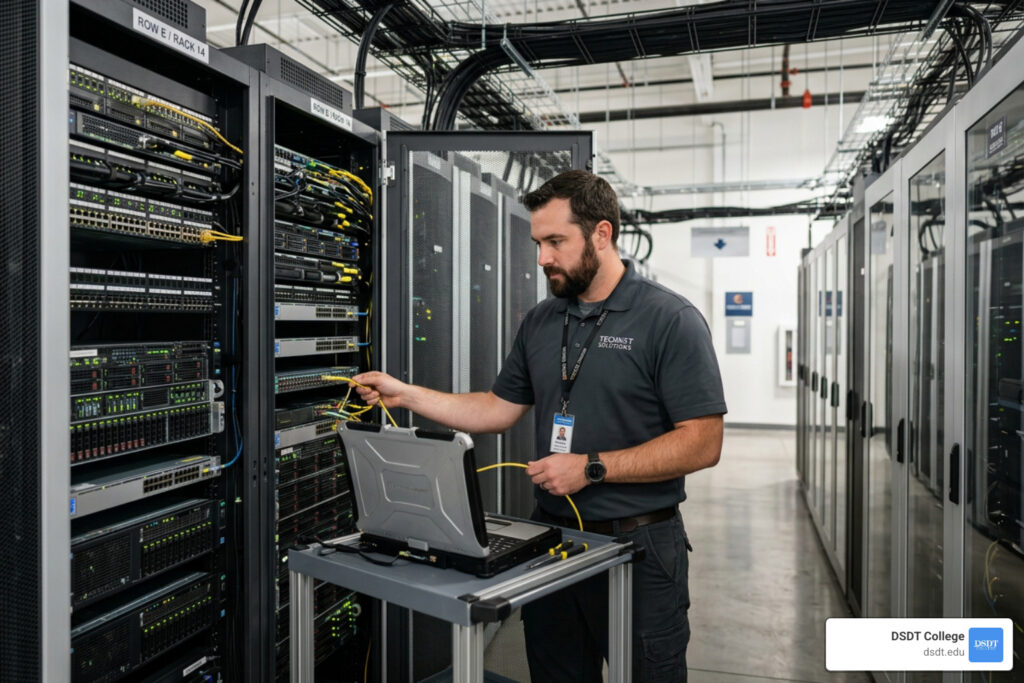
Discover the ultimate it jobs list and salary guide for 2025. Explore top roles, growth projections, and tips to maximize earnings now!
How to Get Your IT Certification in Seattle Without Losing Your Mind
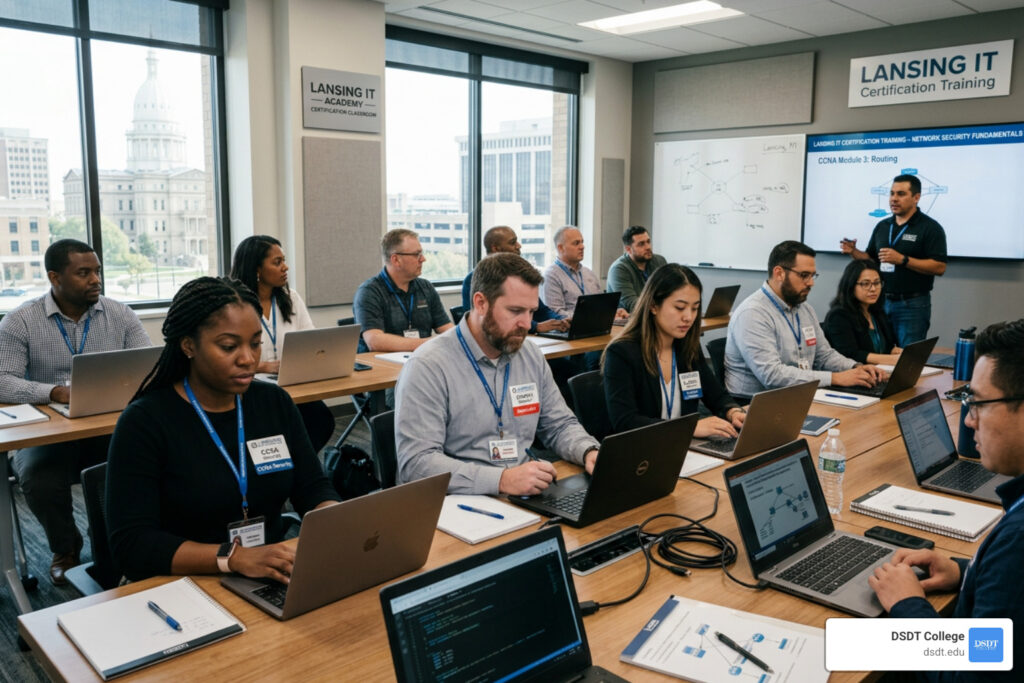
Discover Lansing IT certification training: Get CompTIA A+, Security+, CCNA certified fast with hands-on courses, bootcamps & high-paying jobs.
Approved Partners for Army Career Skills Program IT & Imaging Certs
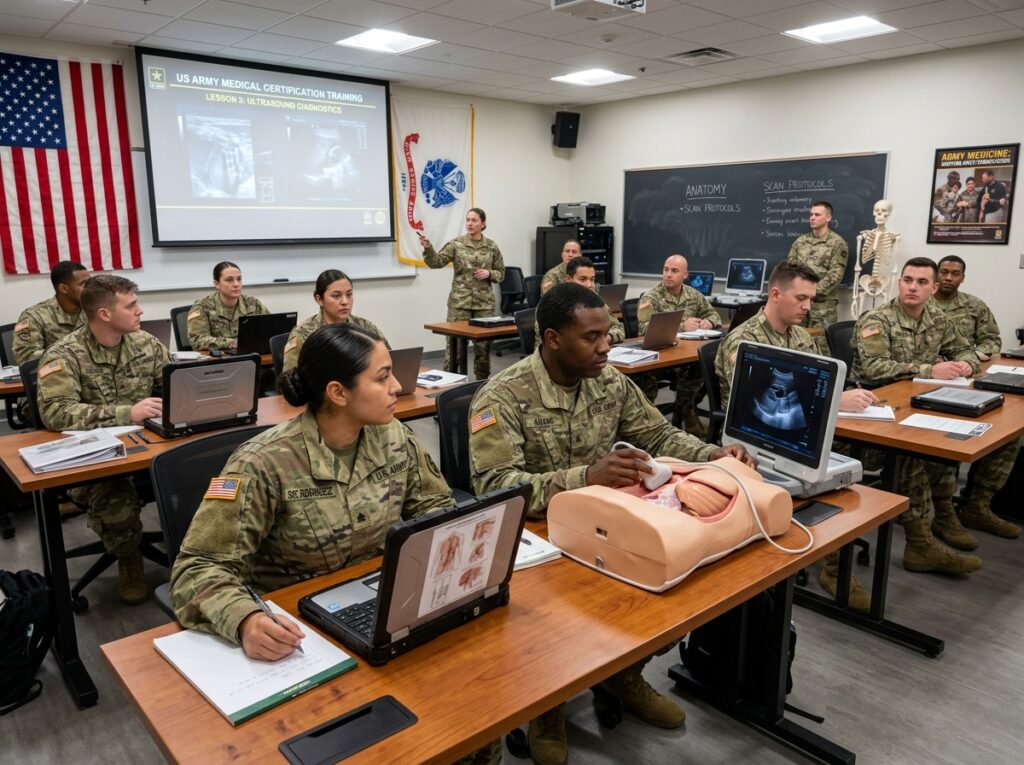
Discover which institutions are approved partners for the Army Career Skills Program offering IT and healthcare imaging certifications. Explore CSP programs now!
From HTML to Deployment: A Week-by-Week Breakdown of DSDT’s Full Stack Course

In the rapidly evolving world of technology, the ability to design, build, and deploy web applications is one of the most sought-after skills. At DSDT, the Full Stack Developer Program is crafted to transform tech enthusiasts into job-ready professionals by equipping them with the necessary front-end and back-end development skills. This week-by-week guide walks you through what students experience in the DSDT Full Stack Developer Program, highlighting the practical knowledge and industry-relevant projects that make the program one of the top choices for aspiring developers. Week 1–2: Foundations in HTML & CSS Every great website begins with strong bones—HTML and CSS. The first two weeks are dedicated to mastering the structural and aesthetic basics of web development. What You’ll Learn: Hands-on Projects: This foundational phase ensures that every student, regardless of their prior experience, is on equal footing. Week 3–4: JavaScript Fundamentals With structure and style in hand, it’s time to bring websites to life with JavaScript. Weeks 3 and 4 are packed with interactive programming logic and problem-solving exercises. What You’ll Learn: Hands-on Projects: By the end of Week 4, students are building real, interactive web pages powered by JavaScript. Week 5–6: Advanced JavaScript and Introduction to APIs Once the basics are down, students move into more advanced territory, exploring asynchronous programming and integrating third-party services. What You’ll Learn: Hands-on Projects: This is where students begin to see the broader picture of how web applications interact with the internet. Week 7–8: Git, GitHub, and Agile Development Professional development is about more than code. Weeks 7 and 8 focus on version control and team collaboration. What You’ll Learn: Hands-on Projects: This stage prepares students to work like professionals, using the same tools and methodologies as industry developers. Week 9–10: Front-End Frameworks – React.js React.js dominates the front-end world, and for good reason. DSDT’s curriculum dedicates two weeks to diving deep into this modern library. What You’ll Learn: Hands-on Projects: This segment helps students build modular, scalable user interfaces—one of the most marketable skills today. Week 11–12: Back-End Development – Node.js and Express Full stack means mastering both sides of development. Weeks 11 and 12 introduce server-side programming using Node.js and Express. What You’ll Learn: Hands-on Projects: This is the point where students start to see how front-end interfaces connect to server-side logic. Week 13–14: Databases – MongoDB No full stack application is complete without data persistence. These two weeks are dedicated to learning NoSQL databases using MongoDB. What You’ll Learn: Hands-on Projects: Students leave this module with a clear understanding of how to structure and query real-world data. Week 15: Authentication and Security With back-end logic and databases in place, it’s time to focus on protecting user data and managing secure access. What You’ll Learn: Hands-on Projects: This week ensures students not only build web apps—but secure ones Week 16–17: Deployment and DevOps Basics It’s one thing to build an app. It’s another to launch it. In these critical weeks, students bring their creations to life on the web. What You’ll Learn: Hands-on Projects: Graduates leave this phase with a complete end-to-end deployment workflow they can showcase. Week 18–20: Capstone Project The final stretch of the DSDT Full Stack Developer Program is dedicated to building a capstone project—an industry-ready application that showcases all their skills. What You’ll Do: Examples of Capstone Projects: Each student receives one-on-one mentoring to guide them through development and polish their final presentation. Career Development and Job Readiness Throughout the 20-week journey, DSDT doesn’t just teach coding—it prepares students for real-world careers. What’s Included: DSDT proudly supports its graduates in their transition from student to software developer, positioning itself as a top school for full stack development. Why Choose DSDT for Full Stack Development? Here’s why students across the country are choosing DSDT: Enroll Today – Start Your Journey from HTML to Deployment If you’re passionate about tech, curious about coding, and ready to launch your career, the DSDT Full Stack Developer Program is the opportunity you’ve been waiting for. Apply now through our official portal:👉 https://dsdt.edu/apply/ Whether you’re a complete beginner or someone looking to sharpen your skills, DSDT will guide you step-by-step—from HTML to deployment.
The Future of Business and IT Integration: Where the Jobs Are Heading

In a world shaped by digital transformation, the once-clear boundary between business operations and information technology (IT) has all but disappeared. Today, companies are no longer asking whether they need IT—they’re asking how to seamlessly integrate technology into every aspect of their business. This convergence is not just about efficiency—it’s about survival, scalability, and innovation. As this integration becomes the norm, a new wave of hybrid professionals is rising: individuals who are equally fluent in business strategy and digital systems. These professionals are becoming vital to organizations across industries—and the job market is taking notice. In this article, we’ll explore the future of business and IT integration, what skills are in demand, which roles are emerging, and how you can prepare through career-ready training like the Business Information Technology Specialist Program at DSDT College. What Is Business and IT Integration? Business and IT integration refers to the strategic alignment of information technology systems with business goals. It’s not just about having tech tools in place—it’s about leveraging those tools to improve operations, drive revenue, streamline decision-making, and enhance customer experiences. Examples of integration include: This level of synergy requires professionals who understand both business objectives and the technological infrastructure needed to achieve them. Why Integration Matters in 2025 and Beyond As companies continue to digitize, business success will depend on their ability to integrate IT into every function—from supply chain and HR to finance and sales. This shift is already happening. Consider the following trends: The takeaway? Professionals who can think strategically like a business manager and act technically like an IT expert are becoming the future of the workforce. Top Emerging Roles at the Intersection of Business and IT The integration of technology into business strategy is creating new and hybrid job roles that didn’t exist a decade ago. Here are some of the fastest-growing roles where business and IT meet: 1. Business Information Technology Specialist This role blends business operations with technical acumen. Professionals in this field analyze business needs and recommend or implement tech solutions, making them crucial to digital transformation efforts. ➡️ Learn more about becoming a Business IT Specialist through the DSDT program here. 2. Business Systems Analyst These professionals evaluate how current systems meet business goals and design improvements. They often act as the liaison between IT departments and stakeholders. 3. IT Project Manager Responsible for managing technology-related projects with a business-focused mindset, this role ensures that IT solutions are implemented on time and within budget while aligning with business goals. 4. Data Analyst / Business Intelligence Analyst By extracting and interpreting data, these professionals help business leaders make informed, strategic decisions. They require a deep understanding of business KPIs and data systems. 5. Digital Transformation Manager This strategic role involves identifying and implementing digital tools to transform traditional processes, reduce costs, and enhance performance. 6. Cybersecurity Business Consultant As businesses face increasing threats, cybersecurity roles now require an understanding of both risk management and IT infrastructure to protect company assets and customer data. Industries Leading the Integration Shift While every industry is undergoing transformation, some are moving faster than others. Here’s where the biggest demand lies: Industry Key Business-IT Roles Healthcare Health IT Specialist, Data Analyst Finance FinTech Analyst, Cybersecurity Officer Retail & E-Commerce E-commerce Manager, IT Consultant Manufacturing ERP Analyst, Automation Technician Logistics Supply Chain IT Analyst, Fleet Tech Coordinator Government Systems Analyst, Policy Tech Advisor These sectors not only need traditional IT support but professionals who understand how to use technology to meet business and regulatory goals. Skills You Need to Thrive in the Future Job Market To succeed in a business and IT hybrid role, you need a balance of technical skills and business competencies. 🔧 Technical Skills: 📊 Business Skills: Programs like the one offered at DSDT College combine these skill sets in one curriculum, giving you the tools to lead in both tech and business conversations. Technology Trends That Are Reshaping Business Roles Several key trends are accelerating the demand for integrated business-IT professionals: 1. Artificial Intelligence (AI) AI is automating tasks, optimizing operations, and personalizing customer experiences. Professionals must know how to apply AI tools in real-world business contexts. 2. Cloud Computing With most businesses migrating to cloud infrastructure, IT-savvy employees who understand how to leverage cloud-based systems for business continuity are in high demand. 3. Cybersecurity As cyber threats become more sophisticated, organizations need professionals who understand both technical security systems and risk mitigation strategies. 4. Internet of Things (IoT) IoT is transforming sectors like logistics, manufacturing, and healthcare. Professionals are needed to analyze and apply the data generated from connected devices. 5. Automation and RPA Robotic process automation (RPA) is revolutionizing finance, HR, and customer service. Business-IT hybrids are crucial for identifying automation opportunities and implementing solutions. Job Market Outlook: Where the Opportunities Are The Bureau of Labor Statistics projects strong growth in jobs that lie at the intersection of business and technology: This signals a clear trend: hybrid roles that combine business and IT skills are in high demand and will continue to grow. Salary Expectations in Business + IT Roles Job Title Average U.S. Salary (2025 Estimate) Business IT Specialist $70,000 – $95,000 IT Project Manager $90,000 – $120,000 Business Analyst $75,000 – $100,000 Data Analyst $80,000 – $110,000 Cybersecurity Consultant $95,000 – $130,000 While salaries can vary based on industry, experience, and location, professionals who bring both business and IT expertise to the table typically earn 15–25% more than their single-domain counterparts. Why Choose a Hybrid Program at DSDT College The Business Information Technology Specialist Program at DSDT is designed to meet the needs of this evolving job market. It prepares students to succeed in diverse roles by providing a well-rounded, hands-on education in both technical and business disciplines. Program Highlights: If you’re ready to become a leader in the future of work, there’s no better time to apply to DSDT College. Real-World Success: From Student to Strategist DSDT graduates have gone on to secure roles in IT management, business analytics,
Business Analyst vs. IT Specialist: Which Path Is Right for You?

In today’s digital economy, two roles are increasingly in demand across nearly every industry: Business Analysts and IT Specialists. While these professionals often collaborate, their core responsibilities, skill sets, and career trajectories are distinct. If you’re considering a career in technology and business but aren’t sure which role best suits your interests and strengths, this article will help you decide. We’ll explore the differences between business analysts and IT specialists in terms of their responsibilities, required skills, career opportunities, salary expectations, and educational pathways. We’ll also introduce you to a versatile training program—the Business Information Technology Specialist Program at DSDT College — that can prepare you for either path. Understanding the Core Differences 🔍 What Is a Business Analyst? A Business Analyst (BA) bridges the gap between business needs and technology solutions. They evaluate business processes, identify areas for improvement, and propose data-driven strategies to optimize organizational performance. BAs work closely with stakeholders, project managers, and technical teams to ensure that business goals align with IT capabilities. Key Responsibilities: 🖥️ What Is an IT Specialist? An IT Specialist focuses more on the implementation, support, and maintenance of an organization’s technology systems. Their job can include network administration, cybersecurity, technical support, systems management, and software installation. Key Responsibilities: Work Environment and Team Interactions Business Analyst Work Culture BAs often serve as project facilitators. They spend their days in meetings, conducting interviews, researching market trends, writing reports, and analyzing business metrics. They thrive in collaborative environments where communication and strategic thinking are vital. IT Specialist Work Culture IT Specialists work in more technical environments, often behind the scenes, maintaining systems that keep organizations running smoothly. Their day might involve server management, data backup, helpdesk troubleshooting, or configuring new systems for internal teams. Key Skills Comparison Skill Set Business Analyst IT Specialist Analytical Thinking Essential for modeling and assessing business systems Required for diagnosing system and network issues Communication Skills Crucial for stakeholder interaction and documentation Important for translating tech solutions to users Technical Knowledge Moderate; may include SQL, Excel, data visualization High; includes networking, cybersecurity, hardware Problem-Solving Focuses on process inefficiencies and ROI Focuses on system errors and operational uptime Project Management Often manages business improvement projects Supports tech implementations and user adoption Both roles require a mix of technical literacy, critical thinking, and collaboration skills, though the balance shifts depending on the position. Educational Pathways: Where to Start Whether you’re aiming to become a business analyst or an IT specialist, your first step is getting the right training. The Business Information Technology Specialist Program at DSDT College provides a comprehensive foundation for both career paths. This hybrid program integrates business strategy and IT fundamentals to prepare students for versatile roles in today’s digital workforce. What You’ll Learn: Because this program offers cross-functional training, graduates can choose to pursue either a business analyst track or an IT-focused career. It’s especially ideal for individuals who want flexibility in how they apply their education in the job market. Interested? Apply to DSDT today and start your journey into a future-proof career. Certification and Tools For Business Analysts: Common tools and certifications include: For IT Specialists: Technical tools and certifications may include: The right certification can accelerate your career by proving your skill set to employers—whether that’s analyzing data trends or securing networks. Job Outlook and Demand Business Analyst Job Outlook According to the U.S. Bureau of Labor Statistics, employment of business analysts is projected to grow 11% from 2022 to 2032, much faster than the average for all occupations. Companies increasingly rely on data and analytics to drive strategic decisions, fueling demand for BAs across industries like healthcare, finance, government, and retail. IT Specialist Job Outlook IT specialists are also in high demand, especially in roles focused on network administration, cybersecurity, and technical support. Employment in computer support and information systems is projected to grow 15% over the next decade. The rise of remote work and cloud computing ensures a stable, long-term future for IT professionals. Industries That Hire Business Analysts vs. IT Specialists Common Industries for Business Analysts: Common Industries for IT Specialists: Thanks to the hybrid nature of business and technology, both roles are also found in cross-industry settings, especially in companies undergoing digital transformation. Salary Expectations Salaries vary based on experience, location, and industry, but both roles offer competitive earning potential. Average U.S. Salaries (2024 estimates): Advanced certifications or experience with specialized tools can significantly increase earning potential for both roles. Which Role Fits Your Strengths and Interests? Ask yourself the following: ✅ Do you enjoy working with people, solving strategic problems, and making sense of data to inform decisions?➡️ Consider Business Analysis. ✅ Do you prefer working hands-on with technology, solving system-related problems, and building digital infrastructure?➡️ Consider becoming an IT Specialist. ✅ Are you unsure but love both business and technology?➡️ A hybrid program like DSDT’s Business Information Technology Specialist track could be your perfect fit. Real-World Applications and Examples A Day in the Life of a Business Analyst: Maria works for a healthcare company, analyzing patient data to improve patient outcomes and reduce costs. She meets with doctors, IT teams, and insurance stakeholders to define better workflows for electronic health records. She uses Power BI and SQL to present her findings in interactive dashboards. A Day in the Life of an IT Specialist: David is a systems administrator for a mid-sized tech firm. He monitors the organization’s network, ensures daily data backups, sets up employee laptops, and responds to cybersecurity alerts. He works with cloud services like Microsoft Azure and manages secure user access across multiple platforms. Both professionals make essential contributions—but in very different ways. Benefits of DSDT’s Business Information Technology Program The Business Information Technology Specialist Program at DSDT College is uniquely positioned to prepare students for both roles. Why choose DSDT? Whether your goal is to become a business analyst, an IT technician, or something in between, DSDT gives you the foundation to succeed. How to Get Started If you’re ready to explore a
How Long Does the CompTIA A+ Certification Last?

In the world of IT, certifications are a powerful way to showcase your skills and stand out in a competitive job market. One of the most recognized entry-level certifications is the CompTIA A+ certification. Whether you’re new to the field or looking to validate your existing knowledge, obtaining the CompTIA A+ certificate can be a smart career move. But one common question many aspiring tech professionals have is: How long does the CompTIA A+ certification last? In this comprehensive guide, we will explore the validity period of the CompTIA A+ certification, how to maintain it, and why staying certified matters in the fast-evolving tech landscape. What Is the CompTIA A+ Certification? Before we delve into its duration, let’s briefly touch on what the CompTIA A+ certification is. Offered by the Computing Technology Industry Association (CompTIA), this certification is considered a foundational credential in the IT industry. It validates core skills in areas such as: Because of its broad scope, the A+ certification is often the first step for individuals pursuing careers as support specialists, help desk technicians, or IT operations professionals. How Long Is the CompTIA A+ Certification Valid? The CompTIA A+ certification is valid for three years from the date you pass your exam. This means that if you earn your certification today, it will remain active for exactly three years unless you take action to renew it. This validity period is consistent with other certifications in CompTIA’s portfolio, such as Network+ and Security+, and it reflects the need to stay current in a fast-paced industry. Why the Certification Expires Technology is constantly evolving. New hardware and software solutions emerge regularly, which means that IT professionals must keep their skills up to date. By setting an expiration period, CompTIA ensures that individuals with a CompTIA A+ certificate are equipped with current, relevant knowledge that aligns with modern best practices. Employers trust certifications to verify that a candidate is capable and informed. If a certification didn’t expire, it might lose its credibility over time as the knowledge it represents becomes outdated. How to Renew Your CompTIA A+ Certification Luckily, you don’t have to retake the entire exam every three years. CompTIA offers several ways to renew your certification through their Continuing Education (CE) program. Option 1: Complete a CompTIA CertMaster CE Course This is an online, self-paced course that focuses on new technologies and updates since your original certification. Once you complete the course, your certification is automatically renewed for another three years. Option 2: Earn a Higher-Level CompTIA Certification If you earn a higher-level certification such as CompTIA Network+ or Security+, it can automatically renew your A+ certification as long as the new certification is within the same three-year cycle. Option 3: Earn a Non-CompTIA IT Certification CompTIA recognizes other certifications from vendors like Cisco, Microsoft, and Amazon. If you pass one of these recognized certifications, you may be eligible to renew your A+ certification. Option 4: Take Part in IT Training and Activities You can also renew your certification by participating in various IT-related activities such as: Option 5: Retake the Latest CompTIA A+ Certification Exams If you prefer, you can simply retake the latest version of the CompTIA A+ certification training exam. While this option is more time-consuming, it allows you to demonstrate that your skills meet the latest industry standards. The Importance of Staying Certified Renewing your CompTIA A+ certificate is more than a formality; it’s a key part of your professional development. Here are a few reasons why staying certified is so important: 1. Increased Job Opportunities Employers often prefer candidates who have up-to-date certifications. Keeping your CompTIA A+ certification current can open the door to more job opportunities and higher salaries. 2. Demonstrated Commitment to the IT Field By renewing your certification, you show employers and peers that you’re serious about your IT career. It reflects a willingness to keep learning and adapting. 3. Access to Latest Technology Trends The CE program helps ensure that certified professionals remain aware of the latest changes and trends in the tech world. 4. Professional Networking Being an active part of the CompTIA community through renewal activities can expand your network and connect you with other IT professionals. Tips for Maintaining Your Certification To make your renewal process smooth, consider these tips: Final Thoughts The CompTIA A+ certification is an excellent credential for launching your IT career, but it’s important to remember that it has a lifespan of three years. Understanding how to maintain and renew your CompTIA A+ certificate ensures that you stay relevant and competitive in the industry. Whether you choose to complete additional CompTIA A+ certification training, pursue higher-level certifications, or engage in continuing education, there are flexible options to fit your learning style and schedule. By staying proactive about your certification status, you’ll not only maintain your professional edge but also continue to grow as an IT professional in an ever-changing world.
How to Get CompTIA A+ Certification: Your Step-by-Step Guide

If you’re looking to kickstart your IT career, earning your CompTIA A+ certification is one of the best ways to do it. This globally recognized credential validates your foundational skills in IT support, troubleshooting, and networking, making it a must-have for aspiring IT professionals. In this guide, we’ll walk you through the steps to obtain your CompTIA A+ certificate, including tips on training, exam preparation, and career benefits. What is CompTIA A+ Certification? CompTIA A+ certification is an industry-recognized credential that certifies your knowledge and skills in IT. It is often the first certification for those entering the field of IT support, and it covers areas such as: Why Should You Get CompTIA A+ Certified? Earning your CompTIA A+ certificate comes with several advantages, including: Step 1: Understand the Exam Structure The CompTIA A+ certification requires passing two exams: Each exam consists of multiple-choice and performance-based questions, requiring both theoretical knowledge and hands-on problem-solving skills. Step 2: Choose the Right CompTIA A+ Certification Training Preparing for the exam is crucial, and taking structured training can help you succeed. Here are some options for CompTIA A+ certification training: Step 3: Study the Exam Objectives CompTIA provides detailed exam objectives, outlining the topics covered in each exam. Reviewing these objectives will help you focus on the key areas that are tested. Step 4: Gain Hands-On Experience While theoretical knowledge is essential, hands-on experience is just as important. Setting up a home lab or using virtualization software can help you practice troubleshooting, software installations, and networking configurations. Step 5: Take Practice Exams Mock exams and practice tests simulate the real test environment, helping you get comfortable with the question format and timing. Step 6: Register for the Exam Once you feel confident, register for the CompTIA A+ exams through an authorized testing center like Pearson VUE. You can choose between online proctored exams or in-person testing. Step 7: Take and Pass the Exam On exam day, ensure you are well-rested and prepared. Read each question carefully and use your knowledge from training and practice exams to answer confidently. Step 8: Obtain Your CompTIA A+ Certificate After passing both exams, you will receive your official CompTIA A+ certificate, allowing you to showcase your credentials to potential employers. Step 9: Apply for IT Jobs With your certification in hand, you can now apply for entry-level IT jobs such as: Step 10: Continue Your IT Journey CompTIA A+ certification is just the beginning. You can advance your career by pursuing additional certifications like CompTIA Network+, CompTIA Security+, or specialized IT training. Final Thoughts Earning your CompTIA A+ certification is a valuable investment in your IT career. With the right training, study plan, and hands-on experience, you can pass the exams and open doors to exciting job opportunities in the tech industry. Start your journey today and take the first step toward a rewarding IT career!
What is CompTIA A+ Certification? A Complete Guide for Beginners

In today’s tech-driven world, the need for skilled IT professionals continues to rise. Whether you’re fresh out of high school, considering a career switch, or looking to validate your IT skills, you may have come across the term “CompTIA A+ certification.” But what exactly is the CompTIA A+ certification? Why is it so highly regarded in the tech industry? And how can CompTIA A+ certification training help pave the way for a rewarding IT career? In this comprehensive guide, we’ll answer all those questions and more, breaking things down in a way that’s simple, practical, and approachable—like chatting with a friend who’s already been through the process. Understanding the CompTIA A+ Certification At its core, the CompTIA A+ certification is an entry-level credential designed to validate foundational IT knowledge and technical skills. Issued by CompTIA (Computing Technology Industry Association), it’s considered a standard for those entering the tech field. This certification covers a broad range of topics including: Earning your CompTIA A+ certificate shows employers you have the hands-on skills to support and maintain computers, networks, and related technology. Why is CompTIA A+ Certification Important? You might be wondering, “Why bother with certification when I can just learn on my own or gain experience on the job?” Great question! Here are a few reasons why CompTIA A+ certification matters: Who Should Pursue the CompTIA A+ Certificate? The CompTIA A+ certification is ideal for: If you’re curious, passionate about tech, and enjoy solving problems, this certification could be your ticket into a rewarding career. What to Expect in CompTIA A+ Certification Training Let’s be honest: Preparing for the CompTIA A+ exam can be a bit overwhelming at first. That’s where CompTIA A+ certification training comes in. Training programs are available in many formats: A good training course will help you understand key concepts, walk through practice scenarios, and get comfortable with the exam format. Many training providers also offer practice exams, labs, and even access to experienced instructors. The Two Exams: What You Need to Know To earn the CompTIA A+ certification, you must pass two separate exams: Each exam has up to 90 questions, with a mix of multiple-choice and performance-based questions (PBQs). You’ll need to score: Tips for Success During CompTIA A+ Certification Training Here are some practical tips to help you stay on track: Real-World Benefits of Holding a CompTIA A+ Certificate So, what can you do with a CompTIA A+ certificate once you have it? How Much Does CompTIA A+ Certification Cost? The cost to take each exam is around $246, meaning a total of roughly $492 for both. Prices may vary by location and training provider. You might also invest in: Some employers, schools, or workforce development programs even offer vouchers or reimbursements. Is the CompTIA A+ Certification Worth It? Let’s keep it real: Certifications aren’t magic wands. But when combined with hard work, curiosity, and a genuine interest in tech, the CompTIA A+ certification can be life-changing. It can open doors, help you grow professionally, and give you the confidence to say, “Yes, I know what I’m doing.” Whether you’re helping Grandma troubleshoot her Wi-Fi or managing a company’s tech infrastructure, every IT journey has to start somewhere. And for many, that starting point is the CompTIA A+ certificate. Final Thoughts: Your Path Forward If you’re still wondering if it’s the right move, ask yourself: If you answered yes to any of those, CompTIA A+ certification training might be the perfect first step. Remember, every expert was once a beginner. With dedication and the right training, you can turn your curiosity into a career. Your IT journey could begin today with one bold move: enrolling in a CompTIA A+ certification training program and taking that first leap toward becoming a certified professional.