Everything You Need to Know About Chapter 31
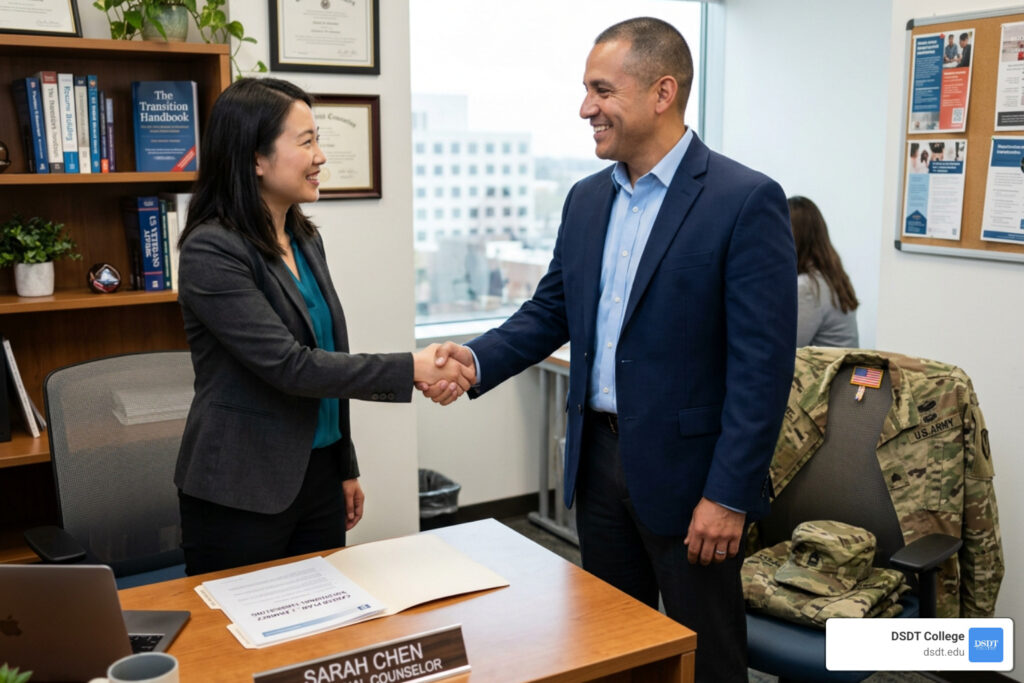
Discover veteran readiness and employment chapter 31 benefits, eligibility, tracks, and application steps for your career transition.
5 Most Common Issues Found During a Home Inspection

Home inspections are a vital step in any real estate transaction. Whether you’re a buyer, seller, or aspiring inspector, understanding the most common issues found during an inspection is crucial. For those considering a career in the field, this knowledge underscores why proper home inspector training is essential to success. In this detailed guide, we’ll explore the five most frequent problems home inspectors encounter, why they matter, and how a professional inspector is trained to identify and report them. If you’re thinking about becoming an inspector, we’ll also show how a quality online home inspector training course can prepare you for these real-world challenges. Why Proper Home Inspector Training Matters A home inspection covers everything from the roof to the foundation, identifying potential safety hazards and structural issues. Homebuyers rely on certified inspectors to catch problems early and prevent costly surprises. To do this effectively, inspectors must be: ✅ Knowledgeable about building systems✅ Skilled in spotting both minor and major defects✅ Familiar with local codes and regulations✅ Professional in reporting and communicating findings This level of expertise doesn’t come overnight—it requires enrolling in a recognized home inspection training program, especially for those in states with specific licensing requirements like Texas. If you’re aiming to enter the field, programs like DSDT’s home inspector training offer the perfect foundation to start your career. The 5 Most Common Issues Found During a Home Inspection 1️⃣ Roofing Problems The roof is one of the most critical components of a home, protecting it from weather and environmental damage. It’s no surprise that roofing issues top the list of inspection findings. Common Roofing Issues Include: Inspectors trained through a certified home inspector training program learn to assess roof conditions safely and accurately. They know what signs indicate a need for repair or replacement, ensuring homeowners are fully informed. 2️⃣ Electrical System Deficiencies Faulty electrical systems can pose fire hazards and require immediate attention. An inspector’s job is to ensure that the home’s wiring and electrical components meet safety standards. Frequent Electrical Defects Include: A comprehensive home inspection training program equips future inspectors with the knowledge to identify such hazards and recommend professional evaluation. 3️⃣ Plumbing Issues Plumbing problems range from minor leaks to major system failures. Water damage caused by plumbing issues can be expensive to fix, so inspectors must be thorough in their evaluations. Typical Plumbing Problems Found: Students in home inspector training Texas courses learn how to check plumbing systems systematically, ensuring nothing is overlooked. 4️⃣ Foundation and Structural Concerns A home’s foundation supports the entire structure, making its integrity critical. Foundation issues can compromise a property’s safety and value. Common Structural Defects: Aspiring inspectors learn through best home inspection training schools how to differentiate between cosmetic cracks and serious structural concerns. 5️⃣ HVAC System Failures Heating, ventilation, and air conditioning (HVAC) systems play a key role in a home’s comfort and energy efficiency. Inspectors check these systems for age, condition, and functionality. Common HVAC Problems: Through a best home inspection training course, inspectors gain the expertise to evaluate HVAC systems and make appropriate recommendations. How Home Inspector Training Prepares You for Real-World Challenges Becoming an effective home inspector requires much more than reading a checklist. A high-quality home inspection training program provides: ✅ Technical Knowledge: Building codes, systems, and standards.✅ Hands-On Experience: Supervised inspections and fieldwork.✅ Report Writing Skills: Clear, concise, and professional reporting.✅ State-Specific Training: Programs like Texas home inspection training cover requirements set by the Texas Real Estate Commission (TREC). At DSDT College, the home inspector training blends online and in-person learning, making it accessible and effective for students nationwide. Why Choose Online Home Inspector Training? In today’s fast-paced world, an online home inspector training course offers unmatched flexibility and convenience. Benefits of Online Training: ✅ Study at your own pace while balancing work and family.✅ Access up-to-date materials anytime, anywhere.✅ Save time and travel costs.✅ Combine virtual learning with field experience for a comprehensive education. For Texans, combining online learning with a reputable home inspector training Texas program ensures you’re fully prepared for certification. DSDT College: Your Path to Becoming a Certified Home Inspector DSDT College offers one of the best home inspection training schools programs in the country. Designed for aspiring inspectors, it covers: 📌 Residential and commercial inspections📌 Building systems and safety protocols📌 Professional ethics and business practices📌 Preparation for state licensing exams No prior experience? No problem. DSDT’s program is open to high school graduates—even those with a low GPA. 👉 Ready to take the first step? Apply now to join the next cohort of future home inspectors! The Growing Demand for Home Inspectors in Texas The Texas real estate market continues to expand, creating high demand for licensed home inspectors. By enrolling in home inspection training Texas, you position yourself for a rewarding career in a state with strong job opportunities. Average home inspectors in Texas earn competitive salaries, with additional potential for those who start their own businesses. With proper certified home inspector training, you can establish yourself as a trusted professional in this booming industry. Take the First Step Toward Your Career Today The five issues covered here—roofing, electrical, plumbing, foundation, and HVAC—represent just a fraction of what you’ll encounter as a home inspector. To prepare for a successful career, comprehensive training is essential. Enroll in a home inspector training program that’s designed to give you the skills, confidence, and credentials to succeed.📣 Don’t wait. Your future as a certified home inspector starts now. Apply now and begin your journey today!
Special Forces Training: What It Takes to Join the Elite

Joining a special forces unit in the U.S. military is one of the most demanding and prestigious paths a service member can take. These elite warriors are called upon for missions that require physical stamina, mental sharpness, and tactical superiority. From Navy SEALs to Army Green Berets, special forces units are made up of individuals who have passed the most intense military training programs in existence. For those aspiring to serve their country at the highest level, understanding the rigorous path to becoming part of special forces begins with the right foundation. This foundation often starts with a school military program, proceeds through military school programs, and extends into some of the best military training programs available today. Understanding Special Forces and Their Role Special forces operate behind enemy lines, engage in counterterrorism, conduct reconnaissance, and carry out hostage rescues, among other missions. Their effectiveness hinges on rigorous selection and training. Unlike conventional units, these elite warriors undergo years of specialized preparation, often beginning in their teens through military schooling programs or cadet academies. The Initial Steps: Foundation Through Military Schooling Becoming eligible for special forces training doesn’t start in the selection phase—it begins with early commitment. Many future special forces candidates come from military school programs, which are structured to instill discipline, leadership, and foundational combat knowledge. Why Choose a Military Schooling Program? Enrolling in a military schooling program ensures that students gain early exposure to the values and challenges of military life. These schools serve as pipelines to service academies or direct enlistment into the armed forces. From Civilian to Soldier: Military Boot Camp Training Programs Once enlisted, all recruits undergo basic training. The military boot camp training program is the gateway to military life. Although not exclusive to special forces hopefuls, excelling in boot camp is a strong indicator of a recruit’s potential. What to Expect in Boot Camp Only the most physically and mentally resilient individuals make it through with top evaluations—an essential step before attempting special forces selection. Advanced Training: Military Officer Training Programs For those seeking leadership positions in special forces, completing military officer training programs is key. Officer candidates must not only be physically fit but also exhibit strategic thinking, moral integrity, and decision-making under stress. Paths to Officer Training Many elite units prefer officers who’ve proven themselves in training programs for military leadership. These paths are competitive, often involving rigorous academics and military immersion. Special Forces Selection: The True Test After establishing themselves in the regular military, soldiers can apply to special forces units. Here’s where the true challenge begins. What Makes Special Forces Selection So Tough? Each branch has its own selection criteria: These programs are among the most difficult US military training programs in existence, with high attrition rates and zero tolerance for mediocrity. Ongoing Development: Military Training Programs That Never End Even after selection, special forces operators continue training for years. Their education never stops. Specialized Training Includes: Each soldier’s skillset is refined through continuous participation in the best military training programs available. Operators often become experts in multiple combat disciplines, foreign languages, and intelligence operations. The Role of a Military Training Assistance Program The government and military institutions often support servicemembers through financial and logistical support. A military training assistance program can help offset the cost of advanced schooling, certifications, and even civilian education relevant to special forces operations. For example, transitioning service members can receive funding for private tactical schools, cybersecurity training, or language immersion courses—all of which enhance their operational readiness. To learn more about the benefits and options available through a military training program, visit this resource. Life in the Elite: After Special Forces Training Earning the coveted Green Beret, SEAL Trident, or special tactics beret is only the beginning. Special forces life is both rewarding and demanding: Perks of Serving in Special Forces: Challenges: These soldiers are often first in and last out. Their training keeps them razor-sharp in even the most hostile environments. Transitioning to Civilian Life: A New Chapter Eventually, all service members retire or separate from the military. Special forces veterans are highly sought after in the civilian sector due to their discipline, problem-solving abilities, and leadership experience. Popular Civilian Roles for Special Forces Veterans: With the right education and certifications, these veterans thrive post-service. Enrolling in an advanced training program for military personnel during service can smooth this transition and set them up for long-term success. Training Never Stops: Education for Active and Retired Personnel Institutions like DSDT College offer modern military training programs that cater to active duty, veterans, and even those preparing to enlist. Whether you’re looking for cybersecurity training, digital marketing certifications, or full stack development, DSDT can be a bridge between service and career. These programs are often eligible for GI Bill® benefits and support from military training assistance programs, making them accessible for service members with varying financial backgrounds. If you’re interested in continuing your education and taking the next step in your military or post-military career, contact us today. Conclusion: The Path to Elite Status Begins with Preparation Becoming a special forces operator is not just a dream—it’s a commitment to excellence. From early preparation through military school programs to surviving brutal special forces selections, these warriors prove their mettle daily. If you’re considering this honorable path, begin by strengthening your foundation through a quality military schooling program or educational track like the ones at DSDT College. It takes more than strength; it takes resilience, education, and continuous self-improvement. Explore your options today through a reputable military training program and set your sights on the elite.
How to Use Tuition Assistance for Advanced Military Training

In today’s fast-changing world, staying ahead with the right education is more important than ever—especially for military personnel and veterans. Advanced training and education don’t just boost career opportunities; they prepare service members for leadership and success both in and out of uniform. One of the most effective tools available to achieve this is Tuition Assistance (TA). Whether you’re currently serving, transitioning, or planning ahead, understanding how to use tuition assistance for an advanced military training program can unlock tremendous value. From school military programs and military school programs to the best military training programs and military officer training programs, TA can help fund your path forward. This article will break down what tuition assistance is, how it works, and how you can apply it toward your career-focused education, including at military-friendly institutions like DSDT College. What Is Military Tuition Assistance? Tuition Assistance is a benefit provided by each branch of the U.S. Armed Forces to cover the cost of education and professional training. The Department of Defense (DoD) offers active-duty service members the opportunity to take college courses, certifications, and other educational programs at little to no out-of-pocket cost. Who Is Eligible? Eligibility varies slightly by branch, but generally includes: TA is available for a wide variety of military training programs, including technical diplomas, certifications, and military schooling programs offered at accredited institutions. How Much Does Tuition Assistance Cover? Most military branches provide the following standard coverage: This funding can significantly reduce or eliminate out-of-pocket costs when combined with other benefits such as the GI Bill®, FAFSA, scholarships, or military grants. Some programs and institutions, like DSDT, even help students bundle tuition assistance with additional military benefits through their military training program. Types of Military Schooling Programs Covered by TA Tuition Assistance can be used to cover a wide range of education types, including: 1. College Degrees 2. Certificates & Diplomas These offerings fall under structured military school programs that help prepare students for both military and civilian careers. 3. Non-Traditional Programs Many military schooling programs also include accelerated bootcamps or certifications that help build job-ready skills in a short amount of time. These include: Programs such as these are available at military-supportive institutions like DSDT College. Choosing the Best Military Training Program Choosing the best military training program depends on your goals, current rank, desired career, and time commitment. Here’s what to look for: DSDT College offers a wide array of us military training programs that align perfectly with these needs, from healthcare to IT and beyond. Using TA for Military Boot Camp Training Programs You may associate boot camp with initial military training, but TA can also help you enroll in career-focused military boot camp training programs designed for skill-building and certification. Examples of TA-eligible boot camp programs: These training programs for military personnel are fast, intensive, and perfect for transitioning to high-demand civilian jobs. Many such programs are offered by institutions like DSDT that cater specifically to the military community. Military Officer Training Programs and TA For those aiming to move into leadership, military officer training programs are a natural next step. TA can be used toward degree completion and officer training prerequisites such as: TA helps cover foundational college coursework needed for advancement into these roles. Some schools even offer dual programs that pair officer prep with certifications in leadership, cybersecurity, or business. Combining Tuition Assistance with Other Benefits Many students make the mistake of using their GI Bill® before exploring TA options. By leveraging Tuition Assistance first, you can reserve GI Bill® benefits for more expensive programs or graduate school later. Other financial resources to consider: TA is considered a “first payer,” meaning it kicks in before GI Bill® funds are applied. By combining TA and other aid sources, you can pursue even the most comprehensive military training assistance program without incurring debt. Step-by-Step Guide: How to Use Tuition Assistance Step 1: Speak with Your Education Office Before enrolling, talk to your base or branch education service officer (ESO). They will guide you through the application process and discuss your goals. Step 2: Choose a TA-Approved Program Find a program that is listed as eligible under the DoD Memorandum of Understanding (MOU). DSDT College is an approved provider of TA-eligible training. Step 3: Apply for Tuition Assistance Online Each military branch uses a different system: Step 4: Enroll in Your Program After TA approval, enroll in the course and notify the institution. Schools like DSDT work directly with the VA and DoD to ensure smooth processing. Step 5: Submit Grades & Maintain Eligibility TA requires satisfactory academic progress (usually a “C” or better for undergraduate and “B” or better for graduate courses). Ensure your grades are submitted on time. Advanced Military Training Areas Supported by TA Advanced military training programs allow you to specialize and transition to careers in: 1. Cybersecurity 2. Software Development 3. Data Science and AI 4. Healthcare All of these fields are covered under us military training programs approved by the Department of Defense and GI Bill® authorities. Why Choose a Military-Friendly School? Not every institution understands the needs of military students. The best results come from colleges and training centers that provide: DSDT College excels in this area by offering career-driven programs with flexible online and hybrid formats that align with service life. Learn more about DSDT’s military training program today. Using Tuition Assistance After Active Duty TA isn’t just for those currently serving. Veterans can use alternative benefits to continue advanced military training after discharge. Programs like the Post-9/11 GI Bill®, Veteran Readiness and Employment (Chapter 31), and state veteran grants can fund training at GI Bill®-approved schools. For example, a transitioning soldier can move from active duty TA-supported education directly into a veteran-funded training program at DSDT, continuing their path to a new career without pause. Training Program for Military Families Military spouses and dependents can also access education funding through: These programs empower the entire family to pursue education, certifications, and career upgrades—often in tandem
GI Bill® Benefits and Military Training: What You Need to Know

Military service offers more than duty and discipline—it also provides educational and career opportunities. Among the most powerful tools available to veterans, service members, and eligible dependents is the GI Bill®. This bill can transform your transition from military to civilian life by funding education and military training programs that prepare you for future success. If you’re planning to enroll in a school military program, or are curious about how the GI Bill® supports military school programs, this guide will help you navigate your options. Whether you’re entering a military boot camp training program, an advanced military officer training program, or any training program for military, understanding how the GI Bill® works is crucial to making informed decisions. What Is the GI Bill®? The GI Bill®, originally introduced in 1944, has evolved into a comprehensive set of education benefits designed to help active-duty service members, veterans, and their families access higher education, vocational training, and certifications. There are several variations of the GI Bill®, including: Each version provides funding for different types of military schooling programs, including technical schools, online degrees, and military officer training programs. How the GI Bill® Supports Military Training Programs The GI Bill is not just for traditional colleges—it also supports a broad range of military training programs, helping service members advance their careers in and out of uniform. 1. Technical and Vocational Training Whether you’re training to be a network technician, welder, or mechanic, the GI Bill® can fund programs at approved technical and vocational schools. 2. Non-College Degree Programs (NCDs) These include certification programs in IT, cybersecurity, healthcare, and more. Many of these are found in school military programs tailored for active-duty or transitioning personnel. 3. Apprenticeships and On-the-Job Training Want to earn while you learn? The GI Bill® supports apprenticeships in the skilled trades and industry roles—perfect for hands-on learners. 4. Flight Training and Licensing If your career goal is aviation-related, your GI Bill® can cover approved flight training at schools with FAA certification. Choosing the Best Military Training Program The GI Bill® opens doors to a wide array of military training programs, but choosing the best fit depends on your goals. Best Military Training Program Features: One such institution that ticks all these boxes is DSDT College, a top provider of military-friendly training programs that maximize GI Bill® benefits. How Military Schooling Programs Work Military school programs are structured to meet both the educational standards of civilian institutions and the rigor expected by military institutions. These programs can lead to: DSDT offers specialized military schooling programs in IT, cybersecurity, digital marketing, and more—designed with military culture and discipline in mind. Military Boot Camp Training Programs Not every GI Bill®-supported program takes place in a classroom. Some begin with military boot camp training programs, which provide physical, mental, and leadership development for service members entering specialized fields. What’s Included in Boot Camp Training Programs? Boot camp programs often serve as the gateway to advanced military training or officer training programs. Military Officer Training Programs If you aspire to lead, military officer training programs are available across all branches of service and are often supported by GI Bill® benefits. These programs offer specialized instruction in: Some institutions also combine military officer coursework with a degree, giving you dual credentials recognized by both the military and civilian sectors. Types of U.S. Military Training Programs The U.S. offers one of the most comprehensive and diverse sets of military training options in the world. Here are several categories of U.S. military training programs eligible for GI Bill® funding: 1. Basic Combat Training (BCT) 2. Advanced Individual Training (AIT) 3. Officer Candidate School (OCS) 4. Defense Language Institute (DLI) 5. Cybersecurity & IT Bootcamps Military Training Assistance Programs In addition to the GI Bill®, military training assistance programs provide additional funding and support mechanisms, such as: These programs can often be used alongside GI Bill® benefits, making education and training more accessible than ever. How to Maximize Your GI Bill® for Military Training If you’re planning to enroll in a training program for military personnel, consider these strategies to make the most of your GI Bill® benefits: 1. Choose an Approved Institution Not every school qualifies. Ensure your program is GI Bill®-approved. You can verify this through the VA’s WEAMS database. 2. Bundle Your Benefits Many veterans combine GI Bill® funding with Tuition Assistance, FAFSA grants, and scholarships. Schools like DSDT assist students in maximizing every available dollar. 3. Utilize Career Counseling DSDT and other military-focused schools often provide career coaching to help align your training with real job market needs. 4. Get Credit for Your Military Experience Your MOS, deployments, and other service experience may translate into academic credit—saving time and money. The Role of DSDT in Supporting Military Students DSDT College stands out as a top-tier destination for military students looking for flexible, career-focused training. DSDT offers: With a commitment to helping military families succeed, DSDT offers resources specifically tailored to active-duty members, veterans, and spouses. Learn more about how DSDT’s military training program can help you launch your next mission in the civilian workforce. What Careers Can GI Bill®-Funded Military Training Lead To? Military training doesn’t just prepare you for service—it prepares you for life. Programs supported by the GI Bill® can launch careers in: These are high-demand, high-growth fields that value the skills veterans bring—discipline, leadership, and technical acumen. How to Get Started with the GI Bill® If you’re ready to turn your military training into a civilian career path, here are the steps: 1. Determine Your Eligibility Visit VA.gov to check which GI Bill® benefits you qualify for. 2. Choose a Program Select a military-friendly school like DSDT that offers your desired training and supports GI Bill® benefits. 3. Apply for Your GI Bill® You can apply online at the VA’s website or get help from the school’s veteran affairs office. 4. Submit School Applications Once your benefits are in place, contact us today to apply to a GI Bill®-eligible program at
How Military Training Strengthens Your Resume for Civilian Jobs
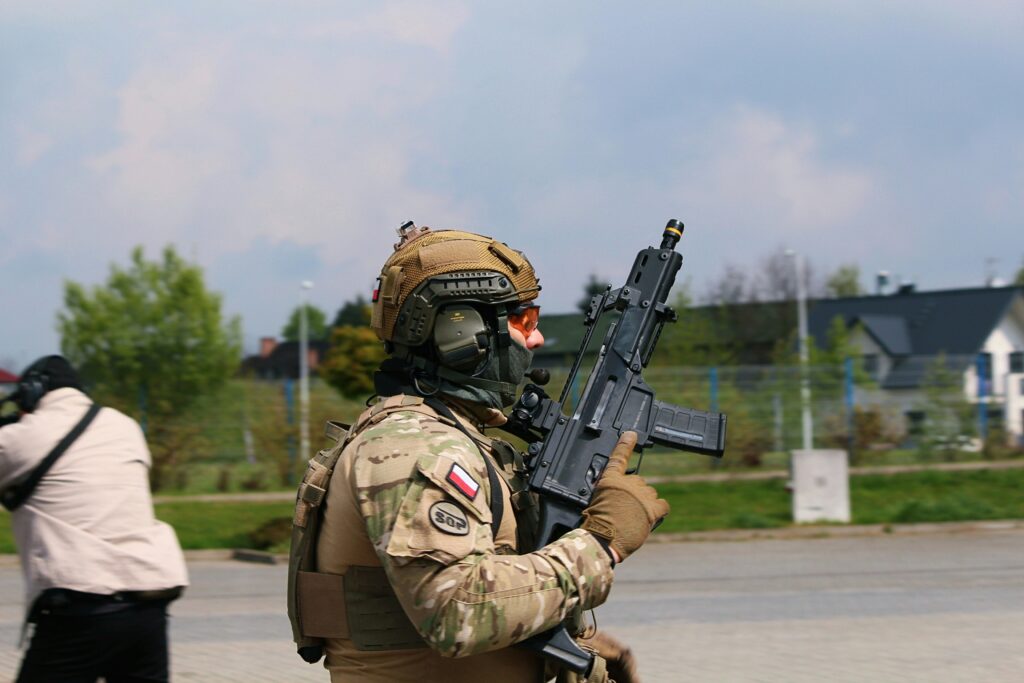
Transitioning from military life to a civilian career can be a challenging journey—but it doesn’t have to be. Veterans often underestimate the immense value their military training brings to the civilian workforce. Whether you’ve completed a military boot camp training program, earned leadership credentials through military officer training programs, or completed any number of specialized military training programs, your resume likely contains more relevant experience than you think. This guide explores how your military background enhances your resume, how to communicate those skills to employers, and how a military training program can bridge the gap between military experience and civilian success. Why Employers Value Military Experience Employers across a wide range of industries—from healthcare and IT to logistics and leadership—consistently recognize the value that veterans bring to the workforce. Here are just a few qualities that military training instills: These are not just soft skills—they’re in-demand, measurable assets. When paired with the right civilian certifications or credentials through a school military program, veterans become highly competitive candidates. Translating Military Skills into Civilian Language One of the biggest barriers veterans face is translating their military accomplishments into terms civilian employers understand. For instance: Programs like the military training assistance program offered by institutions like DSDT can help you reframe your resume with guidance from career advisors who understand both military and civilian contexts. Military Schooling: More Than Basic Training Not all military training is physical or combat-focused. Many service members go through specialized military schooling programs that equip them with technical expertise in areas like: When these experiences are combined with civilian certifications or an associate degree from a school military program, your resume becomes a powerful tool for job advancement. Key Resume-Enhancing Benefits from Military Training Let’s explore how specific aspects of military training can elevate your resume and job prospects. 1. Leadership and Management Skills Whether you were an NCO or an officer, military roles demand leadership. Civilian employers are always looking for candidates who: Completing military officer training programs adds even more authority to your resume in this area, making you a strong fit for management roles in nearly any industry. 2. Technical Training and Certifications Many veterans leave the military with advanced training in: Adding a recognized certification through a training program for military members—such as CompTIA A+, Security+, or AWS—can validate your skills to civilian employers. 3. Discipline and Reliability Veterans are known for showing up on time, following through, and working diligently—traits often lacking in civilian candidates. Highlighting these attributes on your resume makes a strong impression. Matching Military Training to In-Demand Civilian Careers The U.S. job market is hungry for the exact kinds of skills military personnel already have. A well-matched military training program can help connect the dots. ● Cybersecurity and IT Military personnel often receive security clearance and training in high-tech environments. A transition to cybersecurity or IT is seamless with the help of us military training programs like: DSDT’s military training program is designed to help veterans gain the civilian credentials needed to land high-paying jobs in these fields. ● Healthcare and Medical Support From combat medics to field nurses, many veterans already have real-world medical experience. With a short-term military schooling program, you can easily transition into: These roles are in demand nationwide and offer a quick pathway to civilian employment. ● Logistics and Operations Did you coordinate missions, track supplies, or manage personnel? Employers are looking for operations managers, project coordinators, and supply chain specialists who can execute under pressure. Your experience fits perfectly. The Value of Civilian-Friendly Credentials Civilian employers often look for recognizable degrees or certifications. That’s why pairing your military background with a school military program or accredited certificate gives you the best of both worlds. Popular Civilian-Friendly Certifications: Many of these can be earned through a military training assistance program, sometimes at no cost to the veteran. Resume Tips for Veterans: How to Stand Out To effectively present your military experience, here are a few strategies: ✅ Translate Your Titles and Roles Avoid acronyms and military-specific jargon. Use titles and terms that align with civilian job descriptions. ✅ Focus on Achievements Use quantifiable metrics. For example:“Led a team of 12 personnel through a logistics mission with 98% delivery accuracy.” ✅ Add a Certifications or Education Section List your participation in any military school programs or credentialing efforts, especially those that bridge into civilian fields. ✅ Include a Summary Start your resume with a short paragraph that summarizes your military background and career objectives. Military Boot Camp: Building Blocks of Workforce Success While it’s often seen as a rite of passage, military boot camp training programs also instill valuable civilian job traits, such as: Civilian employers, especially in fields like construction, emergency services, and law enforcement, highly value these traits. Add them to your resume under “Core Competencies” or “Professional Strengths.” From Boots to Books: School Military Program Options Veterans seeking to validate or expand their military skills can enroll in school military programs like those offered by DSDT. These are tailored to the needs of service members and cover areas including: These programs are designed with flexible schedules and are approved for VA and military education benefits. 👉 Contact us today to get started with a program that works for your background and goals. Choosing the Best Military Training Program There’s no one-size-fits-all when it comes to career advancement. Choosing the best military training program depends on your experience, interests, and career goals. Consider the following: Institutions like DSDT offer comprehensive support, from education to employment. Top Benefits of Enrolling in a Military-Friendly Civilian Program When veterans enroll in us military training programs built with their transition in mind, they gain access to: These advantages dramatically boost the chances of turning your resume into a job offer. DSDT’s Commitment to Military Members At DSDT, we understand the importance of helping service members transition confidently. Our training programs are approved for: We also offer ongoing mentorship and career services long after you graduate. Visit our
Military Training Programs That Offer College Credits
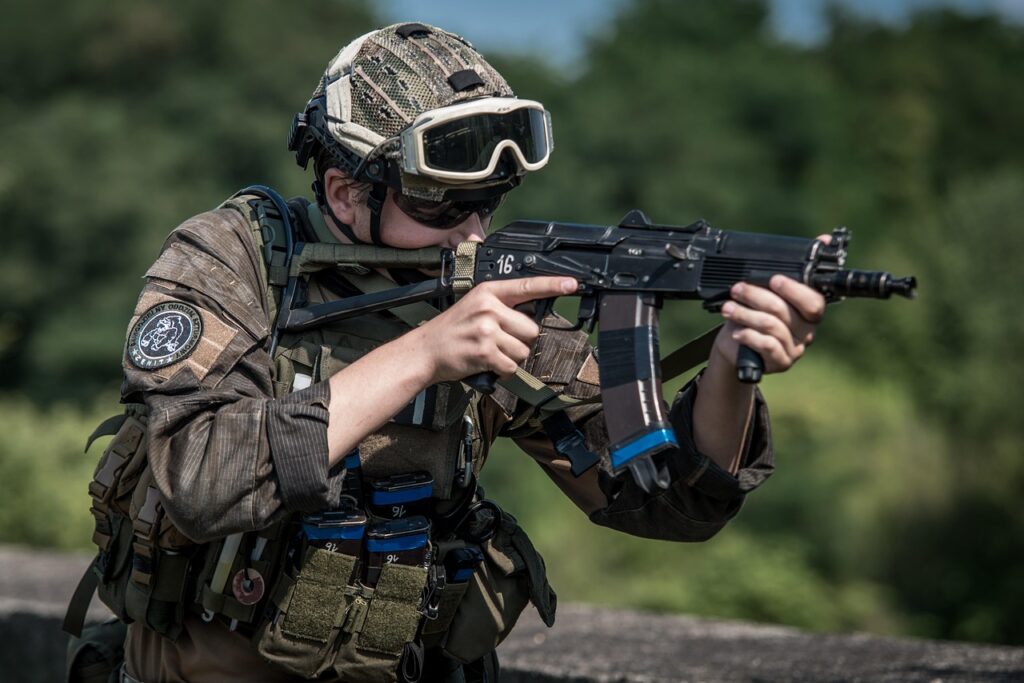
For active-duty service members, veterans, and even reservists, military training is more than just preparation for the battlefield—it’s preparation for life. One of the most significant yet often underutilized benefits of military service is the ability to convert that training into college credits through specialized military training programs. This not only shortens the time it takes to earn a degree, but also saves money, reduces course redundancy, and allows veterans to transition more smoothly into the civilian workforce. In this in-depth guide, we’ll explore how a military training program can help you earn college credits, what kind of training qualifies, the best programs that recognize your military service, and how to take full advantage of your educational benefits. Why College Credits Matter for Military Personnel Earning a degree can be a powerful asset when transitioning to civilian employment. But starting from scratch can be expensive, time-consuming, and repetitive—especially when you’ve already received advanced training in the military. That’s where us military training programs shine. By offering college credit for military training, these programs: Whether you’re pursuing a degree in cybersecurity, healthcare, logistics, or business, your military experience may already count toward your goal. Understanding Military Credit Transfer Systems There are formal systems in place to evaluate and convert military training into college credit: 1. Joint Services Transcript (JST) For members of the Army, Navy, Marine Corps, and Coast Guard, the JST documents your military education, training, and experience. Accredited colleges use JST to assess credit equivalency. 2. Community College of the Air Force (CCAF) The CCAF offers associate degrees specifically to Air Force personnel. Many CCAF courses transfer into civilian colleges, especially those offering a school military program. 3. ACE Credit Recommendations The American Council on Education (ACE) reviews military training and recommends equivalent college credits. Many colleges nationwide honor ACE credits in their military school programs. Types of Military Training That Convert to College Credits Not all military experience qualifies for credit, but the following types of training often do: Programs that include these types of training are often part of broader military training assistance programs that support your academic journey. School Military Programs That Accept Military Credits More colleges are recognizing the value of military training, creating specialized school military programs to attract and support veteran learners. These institutions offer: DSDT College is one such institution, offering accredited programs that honor your military training and help convert it into college-level coursework. Degree Programs That Commonly Accept Military Credits Here are the most common fields where military training programs align well with college degrees: 1. Information Technology & Cybersecurity Military experience in signal operations, network defense, or information assurance often translates to credits in: DSDT’s cybersecurity-focused military schooling program accepts ACE credits and military transcripts, helping veterans fast-track their IT careers. 2. Business & Leadership Leadership and logistical experience gained in the military aligns well with: Military personnel who have completed military officer training programs often qualify for substantial credits in these areas. 3. Healthcare & Allied Health Medics, corpsmen, and other military health professionals can apply training toward degrees or certificates in: Programs like DSDT’s Medical Assistant diploma can shorten duration for military-trained healthcare workers. 4. Engineering & Technical Trades Many technical jobs in the military transfer directly into programs for: If you’ve completed a military boot camp training program or technical school, those hours can often apply toward general education or major-specific credits. The Best Military Training Programs That Offer College Credit Below are some of the best military training program types that translate into academic credit and real-world value. Program Type College Credit Potential Example Civilian Outcome Cybersecurity School 12–18 credit hours Cybersecurity Analyst Business & Logistics 9–15 credit hours Operations Manager Medical Assistant Training 6–12 credit hours (depending on MOS) Certified Medical Assistant (CMA) Electrical & HVAC Training 6–10 credit hours HVAC Technician, Electrician Leadership/Officer Courses Up to 15 credit hours Business Management or Public Admin These can reduce a two-year associate degree to as little as one year, depending on how many credits you’re awarded through a military training assistance program. Understanding Credit Transfer Policies Each college sets its own rules for accepting military credits. Here are a few best practices to ensure your credits are applied properly: ✅ Request Your JST or CCAF Transcript Early Submit your military transcript during the application process. ✅ Work with a Veteran Advisor Colleges with dedicated veteran services (like DSDT) can help evaluate your transcript and map it to degree requirements. ✅ Ask About Maximum Transfer Limits Some schools cap the number of military credits they accept—others allow more generous transfers. ✅ Verify ACE Equivalency If your course is ACE-reviewed, it increases the chance that your credits will be accepted. How to Start Earning College Credit for Military Training Here’s a step-by-step guide to getting started: 👉 Contact us today to speak with a veteran education advisor at DSDT and learn how many credits you may already have earned. Military Training Assistance Programs That Support Your Education There are multiple funding options to help you take advantage of military school programs offering college credit: ● Post-9/11 GI Bill® Covers full tuition, housing, books, and supplies at approved schools. ● Montgomery GI Bill® For active-duty and selected reserve service members. ● Chapter 31 (Veteran Readiness & Employment) Supports disabled veterans in retraining and degree completion. ● Tuition Assistance (TA) For currently serving active-duty members. All of these can be applied to DSDT’s military training program, which includes credit transfer evaluations, degree counseling, and academic support. Additional Benefits of Military College Credit Programs Besides saving time and money, military schooling program pathways come with added benefits: ✅ Accelerated Learning Paths Veterans can complete associate or diploma programs in as little as 6–12 months with applied credits. ✅ Career Readiness Graduates are prepared for roles in cybersecurity, business, and healthcare immediately after graduation. ✅ Veteran-Focused Services Access to career coaching, resume workshops, mental health counseling, and more. Real Stories: Veterans Earning Degrees Faster Many veterans who enrolled at DSDT
Military-to-Civilian Career Transitions: Top Training Programs for Veterans
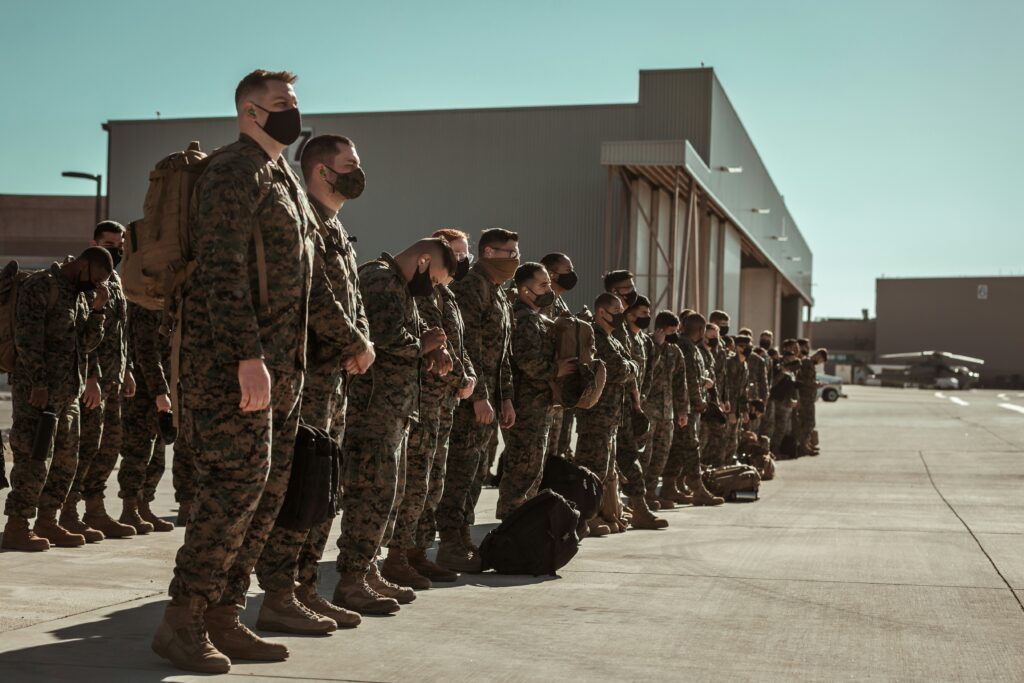
For thousands of service members each year, the transition from military service to civilian life marks a major turning point. While the skills gained in the military are highly valuable, translating those into a thriving civilian career often requires a new set of tools, credentials, and perspectives. This is where specialized military training programs come into play, offering a bridge between service and success in the civilian workforce. In this comprehensive guide, we’ll explore how veterans can leverage their military background and take advantage of various school military program options to successfully transition into high-demand civilian careers. The Challenge of Transitioning from Military to Civilian Careers Military service members are trained to operate in high-pressure environments, work cohesively in teams, and lead with discipline and accountability. However, despite these strengths, many veterans find it difficult to align their experience with the expectations of civilian employers. Common challenges include: The good news is that an increasing number of military schooling program initiatives and civilian workforce integration tools are helping veterans successfully transition. The Importance of Bridging the Gap Veterans bring leadership, strategic thinking, and resilience to any workplace. Yet, without the proper tools to validate their skills in the civilian world, their talents can go underutilized. Bridging this gap ensures: This is where training program for military personnel designed for career transition plays a vital role. Understanding Military Training Programs for Civilian Careers A variety of training opportunities are available to support veterans. Some programs offer reskilling in new career fields, while others enhance existing military skills for industry certifications. Here are the most common types of military training programs: 1. Technical and Vocational Training These programs help veterans gain hands-on skills in trades such as: Many schools now offer military school programs that align with Department of Defense (DoD) standards, ensuring training is efficient and applicable. 2. Degree and Certificate Programs Enrolling in a school military program that leads to a certificate or associate degree can make a significant impact. These are often offered online, making them flexible for working adults or parents. Some of the most popular areas include: Programs like those offered at DSDT College cater specifically to veterans and active-duty members, recognizing the unique background and learning pace of service members. Key Training Paths for Military-to-Civilian Success 1. Cybersecurity and IT Veterans often have experience working with secure systems and protocols, making cybersecurity an ideal civilian career path. Programs like CompTIA Security+, Network+, and CySA+ certifications are in high demand. These fields offer: Enrolling in a military training assistance program like DSDT’s Cybersecurity Analyst Program helps bridge the knowledge gap and provides certification recognized by major employers. 2. Healthcare and Medical Support With the structure and discipline instilled through military training, many veterans find healthcare rewarding and aligned with their skills. Popular paths include: Many programs offer hands-on training and certification within 6 to 12 months, fast-tracking veterans into essential medical roles. 3. Business and Project Management Military personnel are no strangers to leadership and logistics. Transitioning into business or operations management becomes easier with certifications such as: Military schooling program options in business-related fields help veterans take charge in the corporate world, leveraging their leadership experience into tangible results. Top Military Training Programs Designed for Career Transition To support veterans in their career transitions, institutions like DSDT have tailored us military training programs with built-in support systems. Here are some of the best military training program categories: ● Full Stack Developer Programs Designed to give veterans coding and software development skills from front-end to back-end, these programs are in high demand and pay well. ● AI and Machine Learning Programs With military intelligence and analytical experience, veterans can step into AI and automation roles after structured training. ● Digital Marketing Professional Programs Veterans with creative and analytical minds may thrive in digital marketing—working in SEO, paid ads, analytics, and branding. Each military schooling program at DSDT is designed with flexibility in mind, includes career guidance, and accepts veterans with or without prior tech experience. Military Boot Camp vs. Civilian Bootcamps Many veterans are already familiar with the intensity and structure of a military boot camp training program. Civilian bootcamps, particularly in tech and trade industries, follow a similar model—immersive, fast-paced, and results-driven. Key differences: Feature Military Boot Camp Civilian Career Bootcamp Purpose Prepare for service duties Prepare for workforce roles Duration 8–12 weeks 8–16 weeks Outcome Military readiness Industry certification or diploma Format Physical, hands-on, field-based Technical, classroom or online If you thrived in the military boot camp training program, you’re likely a great fit for fast-paced civilian bootcamps in IT, design, healthcare, or business. Military Officer Training Programs and Career Elevation Those who completed military officer training programs are uniquely positioned for leadership roles in the private sector. Their experience in strategic planning, personnel management, and risk mitigation can seamlessly translate into: Adding an MBA or leadership-focused certificate to an officer’s resume can open doors to executive roles. Financial Aid and Education Benefits for Veterans Many transitioning service members are unaware of the wealth of education benefits available to them. These include: DSDT offers a robust military training program that helps students apply their benefits effectively. Their advisors are trained to walk you through your financial aid options step by step. Choosing the Right Training Program for Military Transitions Not every program is created equal. Here are tips for evaluating the right training program for military veterans: ✅ Military-friendly policies: Look for schools that understand VA benefits, TA, and your unique needs✅ Flexible schedules: Evening, weekend, or online options are a plus✅ Accreditation and certifications: Ensure the credentials are industry-recognized✅ Career support: Resume help, job placement, and interview prep Whether you’re seeking a short-term certificate or a complete career transformation, selecting the right military training assistance program is critical to your success. Real-Life Success Stories: From Service to Civilian Success Many veterans who have completed military school programs at institutions like DSDT have gone on to rewarding careers in: Their journeys prove that with
Best Military Training Programs for High-Demand Civilian Jobs

Military training is more than just preparation for combat—it’s a gateway to some of the most in-demand careers in the civilian workforce. From advanced cybersecurity skills to technical certifications in logistics, mechanics, and healthcare, the best military training program equips service members with transferable skills that are highly valued across industries. Whether you’re an active-duty service member planning for the future or a veteran transitioning to civilian life, there are a wealth of military training programs that can give you a competitive edge. In this article, we’ll explore the top military school programs, how they translate to civilian job markets, and where to find support through military training assistance programs. Why Military Training Is Valued in Civilian Careers Employers consistently seek candidates with discipline, leadership, and specialized skills—traits developed and sharpened through school military program experiences. Military personnel bring unmatched commitment, problem-solving abilities, and technical expertise that directly align with high-demand fields such as IT, healthcare, logistics, cybersecurity, aviation, and engineering. When a service member completes a military training program, they often receive credentials or experience that count toward civilian licenses or certifications. This advantage can dramatically reduce the time it takes to start a rewarding career after service. Top High-Demand Civilian Careers from Military Training Let’s break down the top sectors where military schooling program graduates are thriving: 1. Information Technology (IT) and Cybersecurity The Department of Defense (DoD) prioritizes cybersecurity and IT, meaning many service members gain high-level experience managing networks, data, and digital defense systems. Courses in military cyber units are aligned with civilian certifications like: Programs such as the military training program at DSDT College help veterans fast-track into tech roles in cybersecurity, IT support, and network engineering. 2. Healthcare Combat medics and Navy corpsmen receive training similar to paramedics and medical assistants. This military experience is highly transferable into roles such as: Transitioning to civilian healthcare can be seamless with the right military training assistance program, especially when colleges accept military credits toward certification or degrees. 3. Aviation and Aerospace Military schooling in aviation prepares individuals for careers in: The Federal Aviation Administration (FAA) often recognizes military experience when issuing licenses, making military school programs in aviation extremely valuable. 4. Engineering and Mechanical Trades Jobs in construction, electrical systems, and HVAC are open to those trained in military boot camp training programs. These include: With additional certification through a military officer training program, veterans can qualify for higher-level roles, including project managers or construction engineers. 5. Logistics and Supply Chain Management Military logistics specialists are trained to oversee the movement of troops, equipment, and supplies—skills that are directly transferable to: Many civilian employers in warehousing and manufacturing actively seek out candidates with US military training programs backgrounds due to their efficiency and operational expertise. Best Military Training Programs for Career Readiness Below are some of the most respected training program for military personnel that prepare for high-demand civilian jobs: 1. Army COOL Program The Army Credentialing Opportunities Online (COOL) program helps service members earn civilian credentials in fields like: This is an essential military training assistance program that allows military training to count toward state and national certifications. 2. Navy Credentialing Opportunities Online (Navy COOL) Similar to the Army version, Navy COOL helps sailors obtain civilian certifications that match their job roles in the Navy, from electronics to culinary arts to IT. 3. DSDT College’s Military-Focused Programs DSDT College offers a tailored military training program for veterans and active-duty personnel, helping them: Programs are designed to support service members with flexible scheduling, online options, and training program for military students transitioning to civilian life. 4. Air Force Credentialing Programs The Air Force partners with third-party certification providers to help airmen earn credentials in areas like cyber defense, unmanned aircraft systems, and aviation mechanics. 5. Marine Corps COOL Marines can apply their training to civilian careers in logistics, security, vehicle repair, and IT. COOL programs offer funding for certification exams and training. What Makes a Program the Best? When evaluating the best military training program, consider the following factors: Military Officer Training Programs for Leadership Careers If you’re looking to advance into management roles, enrolling in military officer training programs is a strategic move. These programs, including Officer Candidate School (OCS), develop skills in leadership, ethics, strategic decision-making, and team management—qualities highly sought after in civilian industries such as: Upon completion, many officer training grads pursue MBAs or certifications like PMP (Project Management Professional) to supplement their credentials. Military Boot Camp Training Program: Foundation of Discipline The military boot camp training program is the cornerstone of every military career. While its focus is physical and mental conditioning, it instills values that transfer well to any job: This foundational experience gives veterans a professional advantage in fast-paced and demanding civilian jobs. Military Training Assistance Program: Maximize Your Benefits Programs like Tuition Assistance (TA), GI Bill®, and the military training assistance program ensure that military personnel can upskill with minimal out-of-pocket costs. These resources help you: To get started, review your eligibility with your education officer or connect with a college like DSDT College that specializes in helping veterans and military families. U.S. Military Training Programs that Translate Well to Civilian Jobs Let’s take a closer look at some US military training programs and their direct civilian counterparts: Military Training Program Civilian Equivalent Certification or Career Cybersecurity Operations CompTIA Security+, CISSP Combat Medic EMT, Medical Assistant, LPN Aircraft Maintenance FAA Airframe & Powerplant License Electrician (Seabee) Journeyman Electrician License Logistics & Transportation Supply Chain Analyst Intelligence Analyst Data Analyst, Intelligence Consultant IT Specialist Network Engineer, IT Support Technician How to Enroll in a Military-Friendly Civilian Program Enrolling in a school that understands military schooling program requirements is essential. DSDT College is a VA-approved, military friendly school that offers accelerated programs with flexible formats. Here’s how to get started: Conclusion: Your Next Mission Begins Now The skills you developed in the military are your greatest assets. Whether you’re transitioning from active duty or already a veteran, the right
The Evolution of Military Training Programs: From Boot Camp to Cyber Defense

Military training has long been synonymous with discipline, endurance, and leadership. But over the decades, what began as a rigid focus on physical combat and basic weaponry has evolved into a sophisticated system that integrates advanced technology, digital defense, and strategic leadership development. Today’s military training programs prepare service members for challenges on and off the battlefield—both physical and virtual. This article explores how military education has progressed, from traditional military boot camp training programs to cutting-edge cyber defense instruction, and why these transformations matter for the future of national security and civilian workforce readiness. A Brief History of Military Training in the United States The Early Days: Drill and Discipline In the 18th and 19th centuries, military instruction focused primarily on drilling, marching, musketry, and discipline. The purpose was simple—prepare soldiers for organized combat. There was little room for intellectual development or specialized skills beyond weapon use. The 20th Century: World Wars and Formal Schooling During the world wars, the military began forming specialized military school programs and academies to produce skilled officers, pilots, radio operators, and more. The idea of a structured school military program took root, developing into comprehensive systems that educated soldiers beyond just physical readiness. The Rise of Structured Military Schooling Programs With the establishment of service academies like West Point and the Naval Academy, military education began to gain academic credibility. These institutions offered rigorous programs combining military tactics with leadership, engineering, and strategy. This marked the start of a more holistic military schooling program model—blending academic learning with combat readiness. Eventually, military officer training programs became a cornerstone of military education, designed to produce well-rounded leaders capable of making complex decisions in high-stakes environments. The Modern Military Boot Camp Boot camp remains the entry point for nearly every enlisted service member. However, today’s military boot camp training programs are much more than obstacle courses and shouting drill sergeants. They include: These comprehensive programs prepare recruits not only for battlefield survival but also for potential civilian roles in security, logistics, and leadership. Specialized Training Programs for Modern Military Needs As warfare becomes more complex, the military has expanded its educational infrastructure to include training in: These offerings are part of the larger ecosystem of us military training programs that focus on emerging global threats and strategic advantages. For those interested in leveraging military benefits for training, this military training program outlines financial aid options and career-aligned education tracks designed to support both active-duty members and veterans. The Birth of Cyber Defense in Military Education The 21st century ushered in a new battlefield—cyberspace. Cyberattacks can now paralyze national infrastructure, disrupt communication lines, and expose sensitive information. As a result, cyber defense has become a top priority in military education. Cyber Training Modules Now Include: Cyber roles are now common in many training programs for military personnel. The demand for these skills continues to grow as technology evolves and adversaries become more sophisticated. What Makes the Best Military Training Program? The best military training program is one that adapts to current threats, balances physical and intellectual development, and equips service members for both military and civilian success. Key components often include: Programs that excel in these areas often partner with civilian education institutions and support services like the military training assistance program to enhance accessibility and long-term career planning. Military Training Assistance Program: Expanding Educational Access The military training assistance program is a federal initiative that provides active-duty service members with tuition support, credentialing assistance, and pathways to advanced training. It enables military students to: Institutions like DSDT College accept military benefits and offer flexible, career-focused courses tailored to military students. Contact us today to speak with a training advisor about your next steps. Military Officer Training Programs: Preparing Leaders Military officer training programs are responsible for producing the next generation of commanders, strategists, and unit leaders. These programs cover: Graduates of officer programs often find themselves in high-ranking positions within the military and, later, in civilian executive or government roles. The Civilian Value of Military School Programs Skills learned in military school programs translate exceptionally well into civilian industries. From logistics and IT to healthcare and cybersecurity, veterans with specialized training often outpace their civilian counterparts in terms of readiness and discipline. In-demand civilian fields for veterans include: Military training isn’t just about combat—it’s about producing capable, mission-ready individuals for any challenge. The Role of Technology in Modern Training The integration of virtual reality (VR), simulation software, and AI-powered assessment tools has revolutionized military education. Today’s service members train in hyper-realistic environments that simulate real-world scenarios in: This ensures they are prepared to act decisively, both in combat and in critical civilian job functions. US Military Training Programs and Global Impact The United States operates some of the most comprehensive and technologically advanced us military training programs in the world. These programs not only prepare American troops but also provide education and training to allied nations, strengthening global security partnerships. Challenges and Opportunities in Modern Military Training While the evolution of military training has yielded impressive results, it still faces challenges such as: That said, the opportunities for growth are immense. Programs that partner with civilian educators, like DSDT, can expand accessibility, provide holistic development, and support transitions into rewarding post-military careers. Real Stories: Training That Transformed Lives Elijah – From Infantry to Cybersecurity Expert Elijah entered the military through a military boot camp training program, eventually transitioning to a cybersecurity track. With the help of a military training assistance program, he earned his Security+ certification and now works in a major financial firm’s threat detection unit. Jasmine – Officer to Government Policy Advisor After graduating from a military officer training program, Jasmine served for 10 years in logistics and personnel management. She now uses that experience to shape hiring and veteran transition policy in a federal agency. What’s Next: The Future of Military Training The next decade will likely see further integration of: Education will continue shifting toward lifelong learning, enabling service members