How Military Training Prepares You for Civilian Careers
Transitioning from military to civilian life can be one of the most significant changes a service member will ever experience. Fortunately, the extensive training received in the military doesn’t just prepare individuals for combat—it builds a foundation for a wide array of successful careers in the civilian workforce. From leadership and discipline to technical skills and teamwork, military veterans bring a unique set of competencies that employers across all industries highly value. Whether you’re currently enrolled in a school military program, have completed one of the best military training programs, or are considering your options post-service, this guide explores how military training seamlessly translates into the civilian job market. The Foundation: What Is a Military Training Program? Before diving into how military training helps in the civilian sector, it’s important to understand what a military training program consists of. A military training program is a structured educational experience designed to teach service members the physical, mental, and technical skills needed to perform their roles effectively. This includes everything from physical conditioning and weapons training to communications, intelligence analysis, cyber operations, and leadership development. These programs are often offered through various military school programs across the U.S., and range in complexity from basic training to specialized military officer training programs. If you’re seeking more information about your options, this military training program provides detailed insight into financial aid, educational pathways, and benefits designed for service members and veterans. Key Skills Developed Through Military Training 1. Leadership Leadership is ingrained in every military schooling program. Whether leading a small team or coordinating large units, military personnel develop advanced skills in decision-making, delegation, crisis management, and accountability—traits that make for excellent supervisors, managers, and executives in civilian roles. 2. Teamwork Every mission in the military is executed by a team. Veterans are conditioned to operate in high-pressure environments that require group cohesion, clear communication, and mutual trust. This ability to collaborate is crucial in workplaces from healthcare to construction to IT. 3. Technical Expertise Many veterans receive in-depth training in areas such as cybersecurity, mechanics, aviation, logistics, and electronics. These technical competencies are highly transferable to industries that require specialized skills, especially in IT, manufacturing, and engineering. 4. Discipline and Work Ethic Military training fosters a strong sense of responsibility, punctuality, and reliability. Civilian employers value this unmatched work ethic and the ability to remain calm under pressure. 5. Problem-Solving Military personnel are frequently required to think on their feet, make decisions in real-time, and adapt strategies. This makes them ideal candidates for roles in project management, operations, and business analysis. Types of Military Training Programs and Their Civilian Applications Military Boot Camp Training Program The military boot camp training program is where service members first learn the core values of discipline, teamwork, and endurance. While this may seem like just the beginning, it lays the foundation for a career path rooted in structure and resilience. Civilian Application: The discipline and stamina built in boot camp are perfect for high-pressure roles in law enforcement, emergency response, or logistics. Military Officer Training Programs These programs prepare future leaders for command roles, teaching them how to manage personnel, plan missions, and oversee logistics and operations. Civilian Application: Graduates of military officer training programs are often well-suited for executive or managerial roles in both the private and public sectors. Technical Training Programs From IT and communications to engineering and cybersecurity, us military training programs often offer highly specialized technical training. Civilian Application: These skills translate directly into careers in tech support, network administration, software development, and more. Transitioning to Civilian Life: Why Military Training Gives You the Edge The transition to a civilian career can be intimidating, but the training you’ve received gives you a strong competitive edge. Here’s how: 1. Certifications and Licensing Many training programs for military personnel now offer certifications that are recognized in the civilian workforce. For example, a military mechanic might earn an ASE certification, while an IT specialist might hold a CompTIA Security+ certification. 2. Educational Partnerships Programs like the military training assistance program offer financial support and educational resources to help veterans pursue degrees or certifications that build on their military experience. If you’re ready to begin that journey, don’t hesitate to contact us today. 3. Career Placement Services Several military schooling programs offer career placement assistance, resume building, and interview coaching for veterans entering the civilian workforce. Top Civilian Careers for Military-Trained Individuals Here are just a few career paths where military training translates exceptionally well: Military Role Civilian Equivalent Infantry Law Enforcement, Security Intelligence Analyst Data Analyst, Intelligence Specialist Communications Specialist Network Administrator, IT Support Specialist Logistics Coordinator Supply Chain Manager, Operations Manager Medical Corpsman EMT, Medical Assistant, Healthcare Technician Cybersecurity Specialist Cybersecurity Analyst, Network Security Engineer Aviation Mechanic Aircraft Maintenance Technician Best Practices for Leveraging Your Military Background To maximize your chances in the civilian workforce, consider the following tips: 1. Translate Your Experience Use civilian terms in your resume. Instead of “platoon leader,” use “team manager.” Highlight achievements in a way that non-military employers understand. 2. Pursue Additional Certifications Even though your training is comprehensive, some civilian jobs require state or industry-specific certifications. Take advantage of the military training assistance program to help fund these opportunities. 3. Utilize Veterans Programs Organizations like the VA, Hiring Our Heroes, and universities with military school programs offer support networks and job placement tools tailored to veterans. 4. Continue Your Education If you’re aiming to move into a new field or climb the corporate ladder, consider enrolling in a civilian-focused educational program. A good example is DSDT College, which provides hands-on career training and accepts military benefits. Learn more about their military training program. Why Employers Seek Out Veterans Civilian employers increasingly recognize the value veterans bring. A study by the Society for Human Resource Management (SHRM) found that 68% of employers believe veterans perform better than their non-veteran counterparts in terms of responsibility and discipline. Here’s why: How DSDT Supports Military and Veteran Students If you’re ready
Why DSDT Is the Top Choice for Military-Scale Cybersecurity Training
In an era where global threats are as likely to be digital as they are physical, cybersecurity has become a national priority. From defending critical infrastructure to countering cyberterrorism, the demand for trained cybersecurity professionals is exploding—especially those with military-grade discipline and technical skillsets. This is where DSDT (Detroit School for Digital Technology) shines. DSDT is not just another tech school—it’s a military-friendly institution purpose-built to deliver military-scale cybersecurity training for active-duty personnel, veterans, and military families. So, why is DSDT considered one of the best military training programs for cybersecurity? This in-depth article will explore DSDT’s alignment with military education and training programs, its adaptability to various military training schools, and why it’s the top choice for learners who need a career-ready path with real national security impact. The Urgent Need for Cybersecurity in the Military Modern warfare has evolved far beyond physical battlefields. Cyberwarfare, digital espionage, and ransomware attacks now pose a direct threat to military infrastructure, intelligence, and operations. That’s why every branch of the military—Army, Navy, Air Force, and beyond—has integrated cybersecurity as a core competency in their: These branches require cyber professionals with strong foundations in network defense, ethical hacking, penetration testing, and cyber forensics. And that’s exactly the kind of training DSDT provides. What Makes DSDT Unique? DSDT (Detroit School for Digital Technology) offers certification and diploma programs specifically aligned with real-world cybersecurity roles. More importantly, its programs are approved for military tuition assistance and GI Bill® benefits, making it accessible for both active service members and veterans. Learn more about DSDT’s military education benefits here. How DSDT Mirrors a Military Training Program DSDT’s structure is strikingly similar to traditional military school training models: Military Element DSDT Equivalent Basic Combat Training Foundational IT & Cybersecurity Curriculum Advanced Individual Training Cyber Defense, Penetration Testing, Forensics Military Technical Training Security+, Network+, CySA+ certifications Boot Camp Training Program Immersive Lab-Based Learning Military Leadership Programs Business IT, Project Management By providing hands-on, mission-driven education, DSDT simulates the urgency and responsibility found in military environments. Veteran-Centric Learning Veterans bring unparalleled experience in leadership, discipline, and situational awareness. However, many veterans face hurdles transitioning to civilian cyber careers due to gaps in civilian credentials or exposure to specific IT tools. DSDT bridges that gap through: Whether you’ve completed basic combat training or advanced individual training, DSDT helps translate that experience into a certified civilian career. Real-World Certifications with Mission-Critical Impact DSDT’s cybersecurity curriculum prepares students for certifications that are in high demand in both military operations and government agencies, such as: These certifications align with job roles inside: DSDT’s instructors—many of whom have military and industry backgrounds—bring battle-tested insights to the classroom. Aligning with All Branches: Army, Navy, Air Force Army Training Program The Army’s focus on cyber defense operations, information assurance, and signal intelligence requires soldiers trained in network architecture and threat analysis. DSDT’s coursework in CompTIA Network+ and CySA+ makes it an ideal supplement to your Army cyber MOS. Navy Training Course The Navy emphasizes network operations aboard ships and bases, requiring rapid detection and mitigation of cyber threats. DSDT’s network administration courses give veterans and active-duty sailors the skills to thrive in both Navy and civilian environments. Air Force Basic Training Airmen entering cybersecurity roles require structured tech-focused instruction. DSDT mimics Air Force classroom models with interactive modules, practical simulations, and rigorous testing—perfect for airmen pursuing cyber-focused AFSCs. Boot Camp Meets Bootcamps: Fast, Focused, and Mission-Oriented DSDT programs follow the boot camp training program model—short, intensive, and designed for high performance under pressure. Where traditional colleges might take years, DSDT condenses its cybersecurity training into as little as 6–12 months, making it ideal for: Why DSDT Outperforms Traditional Military Training Schools Here’s how DSDT stacks up against conventional military training schools: Feature DSDT Traditional Military School Flexible Online/Hybrid Learning ✔️ ❌ Often in-person only Open Admissions (No GPA/SAT) ✔️ ❌ Selective entry Fast-Track Completion ✔️ 6–12 months ❌ 2–4 years typical Job Placement Assistance ✔️ Military + Civilian Roles ❌ Often ends at graduation Military Assistance Training Eligible ✔️ TA, GI Bill®, Chapter 31 ✔️ (Varies by program) Apply today and start your mission at DSDT Real Outcomes, Not Just Classrooms DSDT doesn’t just teach—it delivers results. Graduates leave with: Because DSDT understands the mission-focused mindset of military professionals, its outcomes are as precise as the training itself. Serving Those Who Serve: Support Beyond the Classroom Transitioning from the military into civilian life is a complex journey. That’s why DSDT offers full-spectrum support beyond academics: It’s more than a cybersecurity school—it’s a community designed for military success. Who Should Choose DSDT? If you fall into any of the following categories, DSDT could be your ideal training ground: ✅ Active-duty members looking to upskill in cybersecurity✅ Veterans transitioning to civilian cyber careers✅ Reservists wanting to stay technically sharp✅ Military spouses in need of portable, in-demand skills✅ High school graduates preparing for a military career in cyber defense What Students Say “I came out of the Army with experience in signals intelligence but no civilian credentials. DSDT’s Security+ and CySA+ programs gave me the certifications and confidence to land a job with a defense contractor within 3 months of graduating.” – DSDT Graduate, Army Veteran “The flexibility was everything. I was able to balance my Reserve duties and full-time job while getting certified. No other school gave me that option.” – DSDT Graduate, Air National Guard A Bridge Between Military and Civilian Excellence DSDT serves as the ideal bridge between your military training program and a successful, secure civilian career. It’s a place where: You’ve served your country. Now let DSDT serve you. Conclusion: The Best Military Training School for Cybersecurity? Without question, DSDT delivers military-scale cybersecurity training in a format that works for service members and veterans. Its certification-based curriculum, flexible delivery, and military-focused support make it the top choice for those in uniform or transitioning out of it. Whether you’ve just completed air force basic training, boot camp training programs, or years of advanced individual training,
DSDT vs Traditional Colleges: What’s Better for Military Career Training?
Military career training is evolving rapidly. With advancing technology, cyber warfare threats, and shifting military demands, today’s service members and veterans need education programs that are flexible, relevant, and directly aligned with real-world skills. For those transitioning into or advancing within military-aligned careers, choosing the right military training program is crucial. Two main pathways often come up: DSDT (Detroit School for Digital Technology) and traditional colleges. But which is better for your military career training goals? In this article, we’ll explore how DSDT compares to traditional colleges, specifically through the lens of military school training, career readiness, and real-world military applications. We’ll look at how both options stack up across flexibility, speed, affordability, and relevance to modern military roles like cybersecurity, technology, logistics, and leadership. Understanding the Needs of Military Learners Active-duty service members, veterans, and military family members have unique educational needs: This is where DSDT’s military training programs offer a competitive advantage. What Is DSDT? DSDT, short for the Detroit School for Digital Technology, is a military-friendly school that specializes in offering technical and career training programs. These include certifications and diplomas in areas like: DSDT is also approved to offer education to veterans under Chapter 31 (Veteran Readiness and Employment), the GI Bill®, and other military assistance training programs. Comparing Military Training at DSDT vs Traditional Colleges 1. Speed to Completion DSDT: Programs are designed to be completed in as little as 6 to 12 months. This is critical for active-duty military or veterans who want to get into the workforce quickly or upgrade their technical skills for promotions. Traditional Colleges: An associate or bachelor’s degree often takes 2 to 4 years to complete. While these degrees are valuable, they are less practical for those needing rapid re-skilling or up-skilling. ✔️ Advantage: DSDT 2. Career-Focused Curriculum DSDT: The curriculum focuses on job-ready skills aligned with both military roles and civilian employment. For example, DSDT’s cybersecurity programs train students for certifications like CompTIA Security+, which is directly applicable to roles within the army training program, navy training course, or air force basic training. This is ideal for veterans seeking careers in: Traditional Colleges: Often include a large number of general education courses. While this builds broad academic knowledge, it delays the acquisition of job-specific skills—especially for roles in the military education and training program sectors. ✔️ Advantage: DSDT 3. Flexibility for Military Life DSDT: DSDT offers online and hybrid learning options, allowing service members and veterans to study regardless of where they’re stationed. The school accepts students with low GPA and does not require SATs, which opens doors to more military personnel. Traditional Colleges: Often require students to attend in-person classes at fixed times. While some universities are becoming more flexible, most still follow traditional academic calendars, which can conflict with boot camp training programs or advanced individual training. ✔️ Advantage: DSDT 4. Cost & Use of Military Benefits DSDT: As a military training school that is VA-approved, DSDT accepts: Their short-term programs are more affordable and make the most out of VA education resources. Learn more about how DSDT supports veterans and military families here. Traditional Colleges: While many also accept military benefits, the longer program durations mean students may use up more of their VA funding. Plus, out-of-pocket costs (books, fees, etc.) can be higher. ✔️ Advantage: DSDT 5. Job Placement & Industry Demand DSDT: DSDT’s programs are built around industry certifications in demand by both the military and private sector employers. Programs in: directly align with military technical training, military leadership programs, and roles in federal agencies like the NSA, FBI, and DHS. DSDT also assists with job placement and connects graduates to defense contractors and government opportunities. Traditional Colleges: While they offer more generalized degrees, many students graduate without clear job placement pathways. Career services may be underutilized or not aligned with the specific needs of veterans’ military training programs. ✔️ Advantage: DSDT What Military Students Say About DSDT DSDT’s students include: Most report that the school’s hands-on instruction and real-world alignment were the deciding factors in choosing DSDT over traditional colleges. How DSDT Aligns With Military Training Models Let’s look at how DSDT mirrors and supports existing military educational paths: Military Training Area DSDT Program Equivalent Basic Combat Training Foundational IT and Soft Skills Advanced Individual Training (AIT) Cybersecurity, Full Stack Dev Military Leadership Programs Business IT & Management Military Technical Training Cisco, Security+, CySA+ Navy Training Course Network & System Admin Army Training Program Cyber Defense, Machine Learning Air Force Basic Training Structured Online Curriculum Boot Camp Training Program Entry-Level Tech Certifications DSDT as the Best Military Training School Alternative There’s a growing need for alternative military education providers—those that provide the best military training programs outside the traditional university system. DSDT meets this demand by: These benefits position DSDT as one of the top military training schools for veterans and active-duty personnel alike. When Traditional Colleges May Still Be the Right Fit While DSDT excels in fast-paced, career-ready programs, traditional colleges may still be appropriate for those who: However, even in these cases, DSDT could serve as a stepping-stone into college—providing certifications, earning credits, or enabling a fast return to the workforce before committing to longer degrees. Conclusion: Is DSDT Better Than Traditional Colleges for Military Career Training? If you’re a veteran, active-duty service member, or military spouse looking for hands-on, practical training that leads to employment, DSDT clearly stands out. It combines the best elements of military training—structure, discipline, and mission-focused outcomes—with the speed and relevance of modern education. Whether you’re aiming to break into cybersecurity, tech leadership, or IT infrastructure, DSDT provides a targeted pathway designed for your unique journey. Ready to start your mission?Apply now to DSDT’s military training programs and transform your service into a career.
How the Military Trains Cybersecurity Experts: An Inside Look
In today’s rapidly evolving digital battlefield, the United States military stands at the front lines—not just with boots on the ground, but with cybersecurity experts in front of glowing screens, battling invisible threats in real-time. From protecting classified intelligence to securing national defense systems, military cybersecurity experts play a crucial role in national security. But how exactly does the military train these cyber warriors? This article provides an inside look at how military training programs shape cybersecurity experts through rigorous education, advanced technology, and real-world simulations. Whether you’re interested in a military training school or exploring a veterans military training program, here’s everything you need to know. 1. The Foundation: Basic Combat Training and Discipline Every cybersecurity expert in the military begins their journey with basic combat training—often referred to as boot camp. Though it may seem unrelated to computer science, this foundational boot camp training program instills discipline, structure, and mental resilience. Regardless of branch—Army, Navy, or Air Force—all recruits go through intense physical and mental conditioning. This prepares them for the rigors of military life and builds the resilience essential for cybersecurity missions that may involve high-stakes decision-making under pressure. 2. Military School Training: Where Cyber Careers Begin After boot camp, those on the cybersecurity track head to a military training school for advanced individual training (AIT) or a specialized program based on their branch. For example: These schools offer a unique blend of classroom learning and hands-on exercises using real cyber tools, simulating attacks and defensive operations. 3. Advanced Individual Training for Cyber Warriors Once the basics are out of the way, advanced individual training (AIT) dives deep into cybersecurity. This isn’t your average tech bootcamp—AIT blends traditional military instruction with cutting-edge cyber technology. Trainees learn: This combination of theoretical knowledge and practical application ensures soldiers are mission-ready from day one. 4. Military Technical Training: Specialized Skill Building Military technical training for cybersecurity doesn’t end with AIT. As threats evolve, so do the training modules. Each military branch continuously updates its technical training curricula to cover: In addition, trainees undergo simulations that replicate real-world scenarios, such as phishing campaigns, ransomware attacks, and distributed denial-of-service (DDoS) events. If you’re considering this path, you can explore opportunities and support through DSDT’s military benefits page. 5. Military Leadership Programs: Creating Cyber Commanders Beyond tactical skills, the military emphasizes leadership. Cybersecurity experts must not only respond to attacks but also lead teams, strategize defenses, and coordinate with multiple units and agencies. Military leadership programs teach: Many of today’s top federal cybersecurity leaders are military-trained professionals who honed their skills through structured leadership tracks. 6. Cross-Branch Collaboration: Joint Cyber Missions Unlike other fields, cybersecurity is a joint mission across all branches. For instance: These joint missions help develop interoperability—a crucial component in national defense. 7. Military Assistance Training and Global Cybersecurity Roles Military-trained cybersecurity experts don’t just defend U.S. interests—they often support allied nations. Through military assistance training, cyber professionals are deployed globally to help friendly forces secure their digital infrastructures. From NATO allies to Pacific partners, these experts play a vital role in diplomatic cybersecurity efforts. This highlights the global relevance of the military education and training program provided by the U.S. military. 8. Military Education and Certification Pathways The military doesn’t limit learning to internal instruction. It encourages certifications recognized across the civilian world, such as: Most branches cover the costs for these exams. By the time military personnel transition out, they hold certifications that employers crave. DSDT College recognizes the value of these certifications and offers credit recognition and further training through programs accessible via DSDT’s application portal. 9. Transitioning to Civilian Cybersecurity Careers One of the biggest benefits of military cybersecurity training is its civilian application. Veterans often move into roles such as: Because of the elite training, discipline, and experience military cyber experts bring, they’re often at the top of the hiring list for government agencies and private corporations alike. 10. Best Military Training Program for Cybersecurity? It’s Evolving When it comes to identifying the best military training program for cybersecurity, each branch offers distinct advantages. The answer often depends on your career goals, but here’s a quick breakdown: Each path leads to elite opportunities in both military and civilian sectors. 11. Lifelong Impact of Military School Training Attending a military training school isn’t just about job prep—it shapes who you are. Cybersecurity experts gain: These benefits make military cyber experts highly respected in both government and industry. 12. Why DSDT Supports Military Cyber Training Graduates At DSDT College, we recognize the value and discipline that military-trained students bring. That’s why we offer: If you’re a service member or veteran looking to enhance your cybersecurity career after military service, visit our Military Benefits page or take the next step by applying today. Conclusion: From Combat Boots to Cyber Boots Military cybersecurity training is among the most comprehensive, intensive, and respected paths into the field. With a combination of basic combat training, advanced individual training, military technical training, and leadership programs, it prepares professionals to defend the digital frontlines of the world. Whether you’re currently serving, a veteran, or considering enlistment, know that the military can launch a career path that leads directly to elite roles in agencies like the FBI, NSA, and DHS. Want to build on your military training or explore civilian opportunities in cybersecurity? Start here:🔗 Military Benefits at DSDT 🎓 Apply to DSDT Programs
Why Veterans Choose DSDT for Career-Focused Technical Education

Transitioning from military service to civilian life is a significant shift—one that comes with both challenges and opportunities. For many veterans, one of the most critical decisions after active duty is choosing the right path for their next career. With the demand for skilled technical professionals on the rise, thousands of veterans are turning to career-focused technical education to help bridge the gap between military service and high-paying civilian careers. One institution standing out in this space is the Detroit School for Digital Technology (DSDT). Veterans across the country are increasingly choosing DSDT for its flexible, fast-track programs, military-friendly policies, and alignment with modern workforce needs. In this article, we’ll explore why DSDT has become a top destination for veterans seeking career-ready training, and how it connects directly with the skills developed in a military training program or veterans military training program. Why Technical Education Is the Right Choice for Veterans Technical education offers veterans an accelerated pathway to employment in high-demand fields like: These careers not only pay well, but they also often align with the structured, disciplined, and mission-focused mindset that veterans already possess from their time in service. Whether you’ve completed basic combat training, served in a navy training course, or advanced through military technical training, your military experience is already rich with transferable skills. The key is formalizing that knowledge through civilian certifications—something DSDT specializes in. What Is DSDT? The Detroit School for Digital Technology (DSDT) is a nationally recognized, military-friendly school offering certification and diploma programs in high-demand technical fields. DSDT caters specifically to: With both in-person and online options, DSDT creates a flexible learning environment suited for the realities of military and veteran life. Learn more about military financial assistance at DSDT. How DSDT Aligns With Military Training Models Military education is already highly structured and results-driven. Whether through an army training program, air force basic training, or boot camp training program, service members gain tactical, logistical, and technical skills that translate exceptionally well into tech careers. DSDT mirrors this model through: Military Concept DSDT Equivalent Basic Combat Training Foundational IT & Cybersecurity Courses Advanced Individual Training (AIT) Specialized Certifications (Security+, CCNA) Military Technical Training Real-World Labs and Simulations Military Leadership Programs Business IT and Project Management Courses Military School Training Career-Focused, Mission-Driven Learning Paths This structure makes it easy for veterans to thrive in DSDT’s programs—they’re already accustomed to similar learning environments and expectations. Fast, Flexible, and Focused: The DSDT Advantage 1. Accelerated Programs DSDT programs are designed to be completed in as little as 6 to 12 months, meaning veterans don’t have to wait years to enter the workforce. This is especially valuable for those transitioning from active duty and looking to start civilian careers quickly. 2. Certifications That Matter From CompTIA Security+ and Network+ to Cisco certifications and AI Prompt Engineering, DSDT ensures students graduate with certifications recognized and respected by employers, including government agencies and defense contractors. 3. Flexible Learning Models DSDT offers in-person, online, and hybrid classes, making it ideal for veterans balancing: 4. Military-Friendly Financial Aid Through the use of: DSDT ensures veterans get the financial support they deserve. Learn more about your financial aid options here. Career Paths Available at DSDT DSDT offers multiple military education and training program tracks tailored to your interests and past service roles. 🔐 Cybersecurity Ideal for those with experience in: Certifications: Security+, CySA+, CEHCareer Outlook: Cybersecurity Analyst, SOC Analyst, Ethical HackerSalary Range: $85,000–$120,000+ 💻 IT & Networking Perfect for: Certifications: CompTIA A+, Network+, Cisco CCNACareer Outlook: Network Technician, Systems Support, IT AnalystSalary Range: $70,000–$100,000+ 📈 Digital Marketing & Media Designed for those with: Certifications: Google Ads, Social Media, SEO, BrandingCareer Outlook: Marketing Strategist, Social Media ManagerSalary Range: $60,000–$90,000+ 🤖 AI and Machine Learning Great for: Certifications: Prompt Engineering, AI Modeling, Python BasicsCareer Outlook: AI Specialist, Data Analyst, Machine Learning EngineerSalary Range: $95,000–$130,000+ Real Veterans. Real Success Stories. Alex – Army Veteran, Cybersecurity Graduate “DSDT recognized my previous military training and helped me earn my Security+ in less than six months. Today, I work for a government defense contractor in a cybersecurity analyst role. I never imagined making six figures after leaving the military this quickly.” Maria – Navy Spouse, Digital Marketing Program “We move a lot due to my husband’s service. DSDT’s online program allowed me to study remotely and earn certifications that got me a job in digital marketing—even while relocating.” A Better Option Than Traditional Colleges? Let’s break it down: Feature DSDT Traditional College Program Length 6–12 months 2–4 years Focus Career-ready, certification-based General education Flexibility Online/Hybrid/In-Person Mostly on-campus Admissions No GPA/SAT required Often selective Financial Aid for Veterans ✔️ GI Bill®, TA, MyCAA ✔️ But may not maximize benefits Job Placement Military-focused career services General career office support If you’re looking for career-focused, military-aligned technical training, DSDT stands out as one of the best military training programs for veterans. Your Military Background Has Value Don’t underestimate what your military training school experience already offers. Whether you’ve gone through: Your skills are already halfway to what employers in tech are looking for. DSDT helps complete that journey with civilian-recognized credentials, career coaching, and employer connections. Comprehensive Military Assistance Training & Support DSDT supports students through every stage of the transition with: You’re not just a student—you’re a mission-ready professional in the making. Is DSDT Right for You? You should consider applying to DSDT if: Take the Next Step Your service deserves a career that offers fulfillment, financial stability, and growth. DSDT transforms your military experience into in-demand technical credentials that open doors in the civilian world. 🎯 Apply to DSDT today💸 Explore your military financial aid options
From Service to Career: How DSDT Transforms Military Experience into High-Paying Tech Jobs
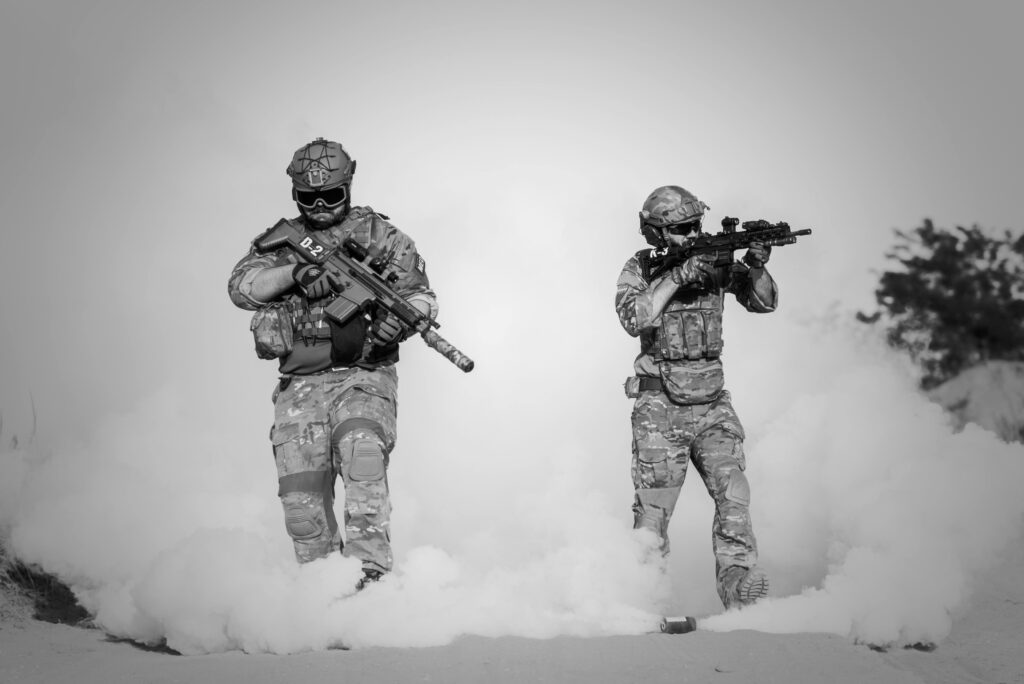
Military service shapes individuals in profound ways—through discipline, resilience, teamwork, and mission focus. Yet for many veterans, transitioning into the civilian workforce, particularly in high-demand fields like tech, can be a challenging process. That’s where DSDT (Detroit School for Digital Technology) comes in. DSDT specializes in turning your military experience into certified, career-ready skills for today’s technology-driven economy. Whether you’ve served in the Army, Navy, Air Force, or another branch, your training has laid the groundwork. DSDT simply helps you build the bridge. This article explores how DSDT’s military training programs empower veterans, active-duty service members, and military families to land high-paying jobs in cybersecurity, IT, digital marketing, AI, and more. The Demand for Tech Talent Is Skyrocketing According to the U.S. Bureau of Labor Statistics, employment in tech occupations is expected to grow faster than the average for all occupations through 2032, with hundreds of thousands of new jobs created each year. Meanwhile, veterans bring unmatched value to these roles: What’s missing for many is industry certification and civilian-specific job readiness—which is exactly what DSDT provides. DSDT: A Military-Friendly Tech School That Understands Your Journey DSDT is more than a school; it’s a launchpad for veterans looking to secure meaningful employment in tech. It offers: Whether you’re fresh out of air force basic training, a combat veteran, or a military spouse, DSDT meets you where you are and gets you where you want to be. How DSDT Builds on Your Military Experience Many veterans have already undergone: DSDT’s programs are designed to complement and translate these experiences into certifications that employers recognize, such as: These certifications are often required for roles in defense contracting, federal cybersecurity positions, and private-sector IT jobs. Military School Training Meets Modern Tech Education DSDT mirrors the structure and intensity of military school training through its: This makes it a seamless transition for service members used to the military mindset of accountability, timeliness, and excellence. The Path From Service to Six-Figure Careers Here’s how DSDT helps veterans move from service to success: Step 1: Assessment of Skills and Goals Your military education and training program already gave you valuable experience. DSDT works with you to assess: This ensures you enter the right program track for your career goals. Step 2: Choose a Career-Aligned Program Depending on your interests and background, DSDT offers pathways into: Field Program Example Ideal for Veterans From… Cybersecurity CompTIA Security+ / CySA+ Intelligence, Communications, IT roles Networking Cisco Networking / Network+ Signal Corps, IT Support, Engineering Digital Marketing Digital Media Professional Program Admin, Communications, Logistics AI & Machine Learning AI Prompt Engineering Technical Analysts, Tech-Inclined Roles Business & IT Business Information Tech Program Leadership roles, NCOs, Planners These are short-term, high-impact programs that prepare you for high-paying tech careers in months, not years. Apply now to get started Step 3: Earn Certifications that Employers Demand DSDT’s programs align with DoD-approved certification pathways, including: These certifications are often prerequisites for positions in: Step 4: Real-World Readiness & Job Placement Support Your experience plus certification equals employability. But DSDT takes it one step further: Graduates have gone on to land jobs with organizations like: A Closer Look: Tech Career Fields and Salaries for Veterans Tech Role Median Salary (2025 Est.) Military Background That Translates Cybersecurity Analyst $98,000+ Intel, Signal, Comm Network Administrator $85,000+ IT, Engineering, Tech Ops Ethical Hacker $100,000+ Security, Defense Digital Marketing Strategist $75,000+ Communications, Admin, Media AI Specialist / Prompt Engineer $105,000+ Data Analysis, Intel, Logistics These roles offer job security, remote work opportunities, and career growth, especially for veterans who already understand discipline, leadership, and operational execution. Why Veterans Choose DSDT Over Traditional Colleges Feature DSDT Traditional College Time to Completion 6–12 months 2–4 years Admissions Requirements Open, no GPA/SAT needed Often restrictive Military-Friendly Curriculum Yes Often general and academic Accepts Military Assistance ✔️ GI Bill®, Chapter 31 ✔️ But usage may be slower Real-World Certifications ✔️ CompTIA, Cisco, AI ❌ Not always included Job Placement Support ✔️ Veteran-focused ❌ Less targeted DSDT’s model of military-scale education with civilian outcomes makes it a top choice for transitioning service members. Military Assistance Training & Support Services DSDT is approved to accept: Additionally, DSDT offers: You served your country—DSDT is ready to serve you. Success Stories Juan, Army Veteran (Cybersecurity Program) “I had hands-on experience in communications while deployed, but no certifications. DSDT helped me get Security+ and land a job at a cybersecurity firm three months after graduation.” Tina, Navy Veteran (Digital Marketing Program) “As a Navy Public Affairs Officer, I knew media and outreach. DSDT helped me pivot into digital marketing with a six-figure salary.” Rob, Air Force Reservist (AI Program) “AI was intimidating, but the structure at DSDT felt familiar—like tech school in the military. Now I work with automation in logistics software.” Who Should Apply? No matter your background, DSDT has a path for you. Final Thoughts: From Combat to Cyber, DSDT Has Your Six Your time in the military gave you tools that most civilians will never develop: mission focus, resilience, and leadership. But to unlock high-paying tech jobs, you need credentials that employers recognize. That’s where DSDT delivers. With customized training programs, certifications that matter, and military-friendly benefits, DSDT is the partner you need to transition from service to success. Ready to begin? ✅ Apply now and start your next mission✅ Explore military financial benefits at DSDT
How Military Cybersecurity Training Prepares You for Roles in the FBI, NSA, and DHS
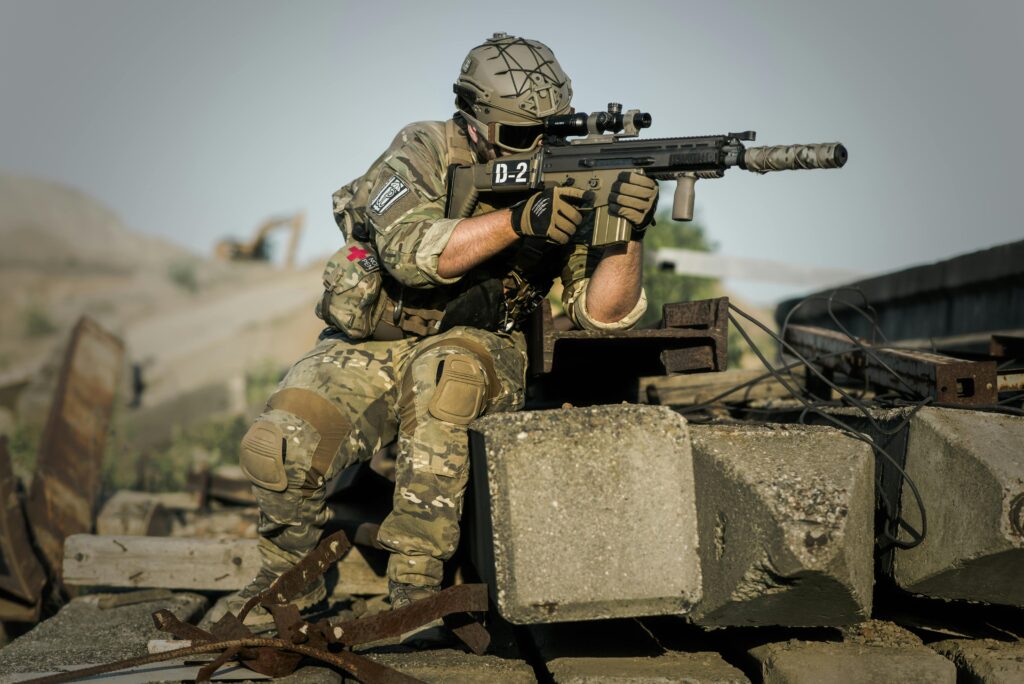
In today’s increasingly digital battlefield, the frontlines of national defense extend beyond physical borders and into cyberspace. This shift has created an urgent demand for skilled cybersecurity professionals—not only in the private sector but across federal agencies such as the FBI (Federal Bureau of Investigation), NSA (National Security Agency), and DHS (Department of Homeland Security). For military veterans, this demand offers an ideal opportunity to continue serving their country in a new capacity. Thanks to comprehensive military training programs, particularly those in cybersecurity and technical operations, veterans are uniquely qualified to step into critical roles within these agencies. The Intersection of Military Cyber Training and National Intelligence Cybersecurity in federal agencies like the FBI, NSA, and DHS isn’t just about preventing data breaches. These roles often involve: These complex tasks require professionals with a deep understanding of threat response, encryption, data forensics, and national defense protocols—all areas where military cybersecurity training excels. What Makes Military Training So Valuable for Federal Cyber Roles? 1. Hands-On Cyber Defense Experience Many service members receive specialized military technical training in information assurance, network defense, and secure communications. Whether through an army training program, navy training course, or air force basic training and advanced specialties, veterans acquire real-world cyber defense experience under high-pressure conditions. 2. Security Clearance Readiness Clearances are often required for positions in the FBI, NSA, and DHS. Veterans already vetted by the Department of Defense often hold Secret or Top Secret clearances—giving them a competitive edge in the hiring process. 3. Mission-Oriented Mindset Military culture cultivates precision, accountability, and resilience. These qualities align perfectly with the expectations of federal cybersecurity positions, particularly those involving national intelligence or homeland security. Cyber Roles at the FBI, NSA, and DHS That Value Military Training Let’s look at how your military school training prepares you for specific cybersecurity roles in each agency. 🛡️ FBI Cyber Division The FBI investigates everything from digital fraud to foreign interference. Key roles include: Military training program experience, such as advanced individual training in cyber operations or signal intelligence, equips veterans to detect patterns, analyze data breaches, and respond to cyber intrusions with discipline and agility. 🕵️♂️ NSA (National Security Agency) The NSA leads in cryptology, cyber espionage, and national intelligence gathering. Job functions include: If you’ve participated in military assistance training or worked with secure military communication systems, you likely have exposure to cryptographic tools and network defense strategies that align with NSA expectations. 🧱 DHS (Department of Homeland Security) DHS secures the nation against domestic threats, including cyber threats to infrastructure. Roles include: Veterans with backgrounds in boot camp training programs, basic combat training, and leadership positions can pivot to DHS with confidence, especially if their military career involved emergency response or threat mitigation. Cybersecurity Training in the Military: What You Learn 📡 Foundations of Network Security Military personnel are taught secure network configuration, threat detection, and data protection measures during military technical training. 🛠️ Use of Classified Tools In roles like 17C (Cyber Operations Specialist) or IT Specialist, service members learn to operate encrypted communication systems, secure satellites, and government-grade firewalls. 🎯 Real-Time Threat Engagement Unlike civilian training, veterans military training programs often involve active monitoring of live cyber threats and simulations involving hostile actors—mirroring the urgency of federal agency environments. 🧠 Leadership and Strategy Whether you rose through military leadership programs or served as an NCO in a cyber division, you developed critical thinking and command skills—both crucial in agency-level roles. Translating Your Military Experience into Civilian Cyber Careers To qualify for roles in the FBI, NSA, or DHS, veterans must articulate their military skills in civilian terms. Here’s how: Military Term Federal Equivalent 25B – IT Specialist (Army) Network Administrator / Cyber Analyst 17C – Cyber Operations Specialist Cybersecurity Operations Officer COMSEC/Signal Officer Secure Communications Specialist Intelligence Analyst (35F, etc.) Cyber Intelligence Analyst Pro tip: schools like DSDT can help you build a civilian resume from your military training program background. How to Start Your Cyber Career Path with Military Credits ✅ Step 1: Evaluate Your Transcripts Request your JST (Joint Services Transcript) or CCAF transcript and check if your basic combat training, AIT, or technical training qualifies for credit. ✅ Step 2: Enroll in a Veteran-Friendly Cybersecurity Program Programs like DSDT’s Cybersecurity Analyst+ track are specifically tailored for veterans and accept military credit toward certification. Visit DSDT’s Military Benefits page to learn how your military record can fast-track your cybersecurity education. ✅ Step 3: Apply Online Want to build a pathway from the military to the FBI, NSA, or DHS? You can apply here and get connected with a military-trained advisor. How DSDT Supports Veterans in Cybersecurity DSDT is a military-friendly institution committed to helping veterans succeed in civilian cybersecurity careers. Here’s how: Whether you completed air force basic training, led a military assistance training mission, or trained through a navy technical course, DSDT works to honor your experience. From Military Service to Intelligence Leadership: Real Veteran Success Stories 🔹 Eli – Former Army Cyber Ops Eli trained through an army training program as a 17C. After earning his CompTIA Security+ through a military-friendly cybersecurity school, he landed a role at the NSA supporting encryption algorithms and network defense strategies. 🔹 Tanya – Navy Cryptologic Technician Tanya used her navy training course in signal intelligence to earn transfer credits and complete a cybersecurity diploma in under a year. She now works at DHS in the Cybersecurity and Infrastructure Security Agency (CISA), helping secure digital infrastructure across the U.S. 🔹 James – Air Force Network Specialist James went from air force basic training to managing network operations in the Pacific. After civilian training and certification, he was recruited by the FBI as a Cyber Threat Analyst, specializing in ransomware response. Certifications That Open the Door to Federal Cyber Roles Many federal agencies require or prefer certifications, and veterans often have a head start thanks to military IT courses. Common certifications include: If you’ve taken military school training in IT, communications, or intelligence, you likely qualify
Top Military-Friendly Schools Offering Online Training Programs
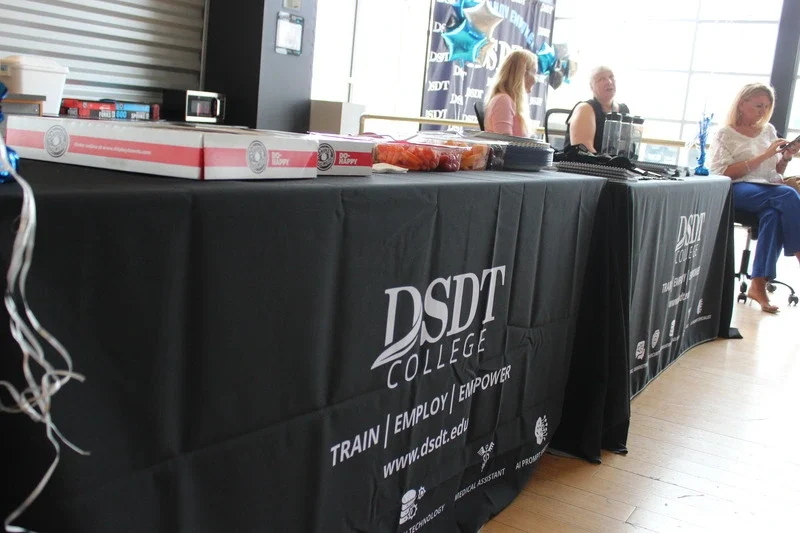
As the landscape of military and veteran education continues to evolve, so does the need for military-friendly schools that offer accessible and flexible training. With deployments, relocations, and family responsibilities, traditional education routes often aren’t feasible for active-duty personnel, veterans, or military spouses. That’s where online military school programs make the difference. A quality school military program doesn’t just accept military students—it supports them with personalized guidance, virtual flexibility, and programs aligned with today’s workforce needs. Whether you’re looking to advance in your military career or prepare for a civilian role, choosing the right military training programs is essential. Below is a curated list of the top military-friendly schools offering online training in 2025. Ranked by their curriculum quality, military support services, and career outcomes, these institutions are ideal for anyone pursuing a military schooling program that truly understands their journey. #1. DSDT College – Top-Ranked for Military-Friendly Online Training Website: DSDT College Apply: Contact Us Today DSDT College proudly holds the top spot as the best military-friendly online training provider in 2025. Headquartered in Detroit with a strong virtual presence, DSDT offers a full range of accredited programs specifically designed to meet the needs of military members, veterans, and their families. Why DSDT is #1 The college also leads in military officer training programs, offering leadership-oriented courses and career pathways for enlisted personnel aiming to climb the ranks or transition into the civilian workforce. Explore DSDT’s full list of military training program options and discover why so many veterans trust DSDT with their education. Ready to get started? Contact us today. #2. Liberty University Liberty University has long been recognized as a military-friendly institution, offering over 600 programs entirely online. It provides generous tuition discounts for active-duty service members and veterans and has been praised for its wide range of military school programs in fields like business, psychology, and criminal justice. Liberty’s Office of Military Affairs ensures students have 24/7 access to advisors who understand military culture. Whether you’re exploring a training program for military advancement or preparing for transition, Liberty provides a strong academic foundation. #3. American Military University (AMU) As its name suggests, AMU is built with military learners in mind. A part of the American Public University System, AMU is known for its flexibility, affordability, and deep commitment to supporting military and veteran students. What Sets AMU Apart AMU remains a top option for those who need education that fits around deployments and rotations. #4. University of Maryland Global Campus (UMGC) UMGC stands out for its global reach—making it ideal for service members stationed overseas. With over 90 online programs and military advisors on-hand, UMGC is well-equipped to serve both active-duty personnel and their families. Their military schooling program includes certifications, bachelor’s, and master’s programs in fields such as information technology, cybersecurity, and healthcare—all recognized as part of the best military training program offerings nationwide. #5. Southern New Hampshire University (SNHU) SNHU has built a reputation for high-quality online education and exceptional student support. For military learners, SNHU offers: Their extensive catalog of programs ensures that students looking for a military boot camp training program, leadership track, or technical certification will find a pathway that works. #6. Purdue Global Backed by the respected Purdue University system, Purdue Global offers an accredited, flexible platform perfect for service members. With robust resources for military and veteran students, it allows students to pursue degrees in public safety, business, and tech—fields that align with both military officer training programs and civilian advancement. Purdue Global also helps students translate military training into academic credits, streamlining the road to graduation. #7. Embry-Riddle Aeronautical University – Worldwide For those in the Air Force or aviation sectors, Embry-Riddle is a standout choice. With a military-focused curriculum and online delivery, it supports career paths in aeronautics, safety systems, and engineering. It’s a great option for specialized military training programs with real-world defense applications. Embry-Riddle’s programs cater to enlisted and officer tracks, with structured support for those seeking post-military roles in aviation and aerospace. #8. Norwich University Founded in 1819, Norwich has a long-standing military tradition. Its online division offers master’s programs and specialized certificates focused on public service, security studies, and leadership. Norwich is ideal for those pursuing military officer training programs or roles in homeland security. The university emphasizes ethics, strategy, and mission-focused education. #9. Thomas Edison State University This New Jersey-based institution offers a self-paced, military-optimized learning experience. With flexible enrollment options and online testing, it’s one of the best schools for service members on the move. TESU is known for recognizing military experience and turning it into degree credit. It’s a strong choice for those in search of a military training assistance program with no campus obligations. #10. Arizona State University (ASU) Online ASU Online is one of the largest and most respected online universities in the U.S. For military learners, ASU offers: Though not exclusively military-focused, ASU provides high-value education for service members transitioning into civilian careers or pursuing leadership roles. Choosing the Best Military Schooling Program for You When selecting a military schooling program, consider the following: 1. Does the school recognize military training for academic credit? You’ve worked hard—your military training should count. 2. Is the school approved for GI Bill® and TA benefits? Make sure your education is covered. 3. Are programs aligned with your career goals? Whether you’re entering tech, business, or public service, your school should offer degrees that lead to real opportunities. 4. Can you access support and advising at all times? Look for schools with dedicated military service centers and round-the-clock assistance. 5. Is the learning model flexible enough for your schedule? Online access, recorded lectures, and open enrollment dates are critical. What to Look for in the Best Military Training Program The best military training program will: This is why DSDT remains a standout. Their programs are built around these principles, with options like: Each is tailored to the needs of military personnel, veterans, and their families. Learn more about DSDT’s military
Cybersecurity Training for Active-Duty and Veterans: A Rising Priority
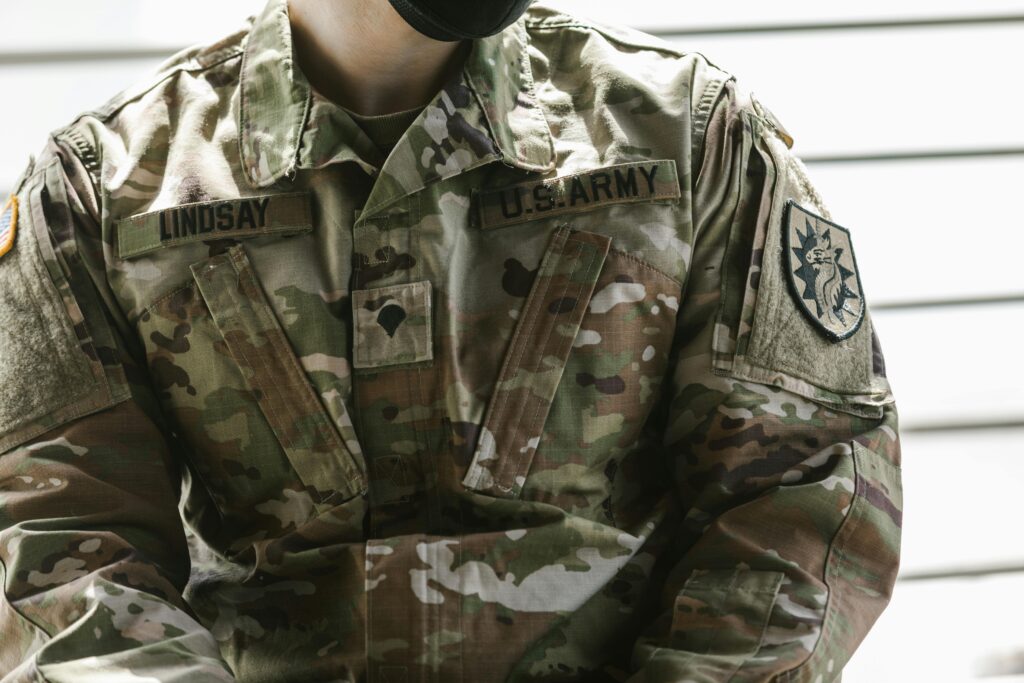
In 2025, digital warfare is no longer just a subplot in sci-fi movies—it’s a daily reality. From national defense systems to private sector infrastructure, cyber threats have reached an all-time high, making cybersecurity training not just relevant, but essential—especially for active-duty service members and veterans. Cybersecurity has become a new battlefield, and those with military experience are uniquely positioned to defend critical systems both during and after their time in uniform. As the demand for cyber defense professionals surges, specialized military training programs are being redesigned to equip personnel with the skills to lead in this space. This article explores how school military programs, military schooling programs, and training initiatives for veterans are adapting to this new cybersecurity era—and why institutions like DSDT are leading the charge. Why Cybersecurity Is a National Security Priority The U.S. military is under constant digital siege—from ransomware attacks to cyber-espionage. With enemies no longer confined to physical borders, the ability to defend our digital infrastructure is crucial. This makes cybersecurity training a strategic priority for both active-duty personnel and veterans reentering civilian life. Cybersecurity roles include: These roles align perfectly with military skill sets such as tactical thinking, rapid decision-making, and chain-of-command discipline. Traditional Military Training vs. Cyber Training Classic military boot camp training programs focus on physical fitness, discipline, and battlefield tactics. These are still essential, but today’s soldiers also need to understand firewalls, encryption, and digital forensics. Many us military training programs are now integrating cybersecurity modules into basic and advanced schooling. For example, the U.S. Army Cyber School trains soldiers in cyber warfare, electronic warfare, and information operations. However, not every military branch has equal access to cyber training—especially those outside of tech-related MOS (Military Occupational Specialties). That’s where civilian institutions like DSDT bridge the gap. DSDT: Cybersecurity Training Leader for Military Members DSDT (Detroit School for Digital Technology) offers one of the most comprehensive and accessible military training program options in cybersecurity. What sets DSDT apart is its commitment to serving veterans, active-duty service members, and their families with hands-on, real-world tech education. What DSDT Offers: DSDT is not just a military schooling program—it’s a launchpad for tech careers. Students gain practical skills applicable to both defense and civilian roles. Why Military Members Choose DSDT: Whether you’re a combat veteran or an IT-savvy specialist, DSDT provides the military training assistance program support and resources to help you transition into cybersecurity. 👉 Contact us today to start your cybersecurity journey. The Role of Military School Programs in Cyber Defense Military school programs across all branches are starting to prioritize cybersecurity. Institutions like West Point, the U.S. Naval Academy, and Air Force Cyber College are building elite digital warriors. These are intense, highly selective environments, often only accessible to commissioned officers or cadets. However, enlisted personnel and reservists may not get access to advanced cybersecurity training through these channels. That’s why partnerships with accredited institutions like DSDT are critical. They allow military members of all ranks to access the best military training programs without going through traditional officer academies. Government Initiatives Supporting Cybersecurity Training Recognizing the national threat, several federal programs are backing training programs for military members and veterans. These include: 1. DoD SkillBridge Program Allows active-duty service members to gain civilian work experience in cybersecurity during the last 180 days of service. DSDT is a participant in many DoD-authorized career transition initiatives. 2. VET TEC Program (VA) Funds technology education (including cybersecurity) for veterans through approved training providers like DSDT. 3. Cybersecurity and Infrastructure Security Agency (CISA) Offers resources and free training platforms for military-connected learners interested in federal cyber roles. Together, these programs support the scaling of us military training programs that meet modern threats. Transitioning from Service to Cybersecurity Leaving the military can be disorienting. Many veterans report difficulty in finding civilian roles that value their military background. Cybersecurity changes that narrative. Military personnel bring qualities that are highly sought after in cybersecurity roles: DSDT helps military learners map these soft skills to real-world cybersecurity roles. Their military training program includes resume-building workshops, mock interviews, and internship placement services. Cybersecurity Careers After DSDT Training Graduates from DSDT’s cybersecurity program have moved into roles such as: Many start at entry-level helpdesk or analyst roles and quickly climb the ladder thanks to their military background and certification stack. DSDT’s certifications are recognized industry-wide and align with frameworks such as: This ensures that your military training assistance program investment yields real ROI. Why Cybersecurity Beats Traditional Post-Military Paths Military veterans often gravitate toward security, logistics, or construction after service. While these paths are honorable and necessary, cybersecurity offers: Cyber threats aren’t going away. In fact, they’re becoming more sophisticated. That’s why cybersecurity is a rising priority for anyone coming from a school military program or military officer training programs. A Day in the Life of a Cybersecurity Trainee at DSDT Students in DSDT’s cybersecurity program participate in: It’s more than just theory. This is a training program for military minds who want to stay mission-ready in the digital world. Support Beyond the Classroom What makes DSDT exceptional isn’t just its curriculum—it’s the community. DSDT staff, many of whom are veterans themselves, offer: They understand the unique needs of military-connected students and ensure that every graduate is prepared not just academically, but professionally and emotionally. Final Thoughts: Secure Your Future with Cybersecurity Training Cybersecurity is no longer optional—it’s a frontline defense. For active-duty military, it’s a way to stay relevant and enhance career mobility. For veterans, it’s a gateway to a fulfilling civilian career that values their service and skills. Whether you’re seeking a military officer training program or looking to build post-service credentials, cybersecurity offers endless possibilities. And there’s no better place to start than DSDT—a leader in military-aligned digital training. ✅ Modern curriculum✅ Military-friendly tuition options✅ Flexible online/hybrid learning✅ Nationally recognized certifications✅ Career-ready in under a year Your service was your mission. Now it’s time to secure your future. Contact us today to join the most relevant military training
Top Military Training Programs in the U.S. for 2025
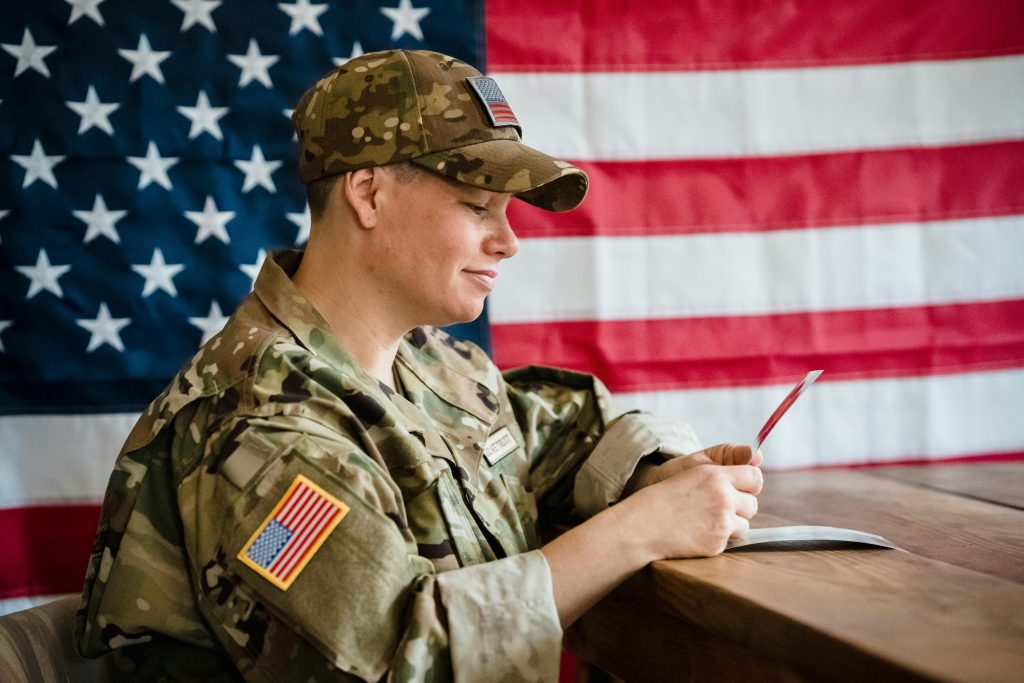
The United States is globally recognized for its commitment to defense and service excellence. A key factor in maintaining this reputation is its world-class military training infrastructure. Whether you’re planning to become an officer, enhance your technical skills, or pivot into a civilian career, the right military training program can shape your path. In this article, we rank the Top Military Training Programs in the U.S. for 2025, based on curriculum relevance, accessibility, adaptability for veterans and active-duty members, and support for civilian transition. If you’re searching for a credible school military program, military boot camp training program, or long-term career-focused military schooling program, this list has you covered. 1. DSDT College – Detroit School for Digital Technology Website: military training program Location: Detroit, Michigan (with online options available)Best For: Veterans, active-duty military, and military spouses transitioning into digital, tech, or healthcare careers Why DSDT is Ranked #1 DSDT is redefining what a military training program can be. While not a boot camp or basic training site, DSDT has earned its spot at the top of this list because it’s one of the best civilian training institutions supporting military personnel and veterans in 2025. Through military training assistance programs, DSDT equips service members with in-demand skills in areas such as: DSDT accepts military tuition assistance, GI Bill® benefits, and Chapter 31 Veteran Readiness and Employment (VR&E) support. The college also offers online and hybrid learning, making it ideal for those stationed on active duty or managing family responsibilities. Another standout feature is DSDT’s open admissions policy—no SAT required and no GPA minimum. DSDT meets you where you are and guides you toward technical mastery and professional success. Apply now and make DSDT the start of your post-military career: contact us today. 2. United States Military Academy (West Point) Location: West Point, New YorkBest For: Future military officers and career servicemembers West Point is the epitome of a traditional military schooling program. As a federal service academy, it combines elite academic training with rigorous military development. Cadets commit to serving in the Army upon graduation and benefit from unmatched leadership training, physical conditioning, and tactical education. Graduates leave with a bachelor’s degree and a commission as second lieutenants. This is the gold standard among military officer training programs in the U.S. 3. United States Naval Academy Location: Annapolis, MarylandBest For: Naval or Marine Corps officer candidates Another top-tier option among us military training programs, the Naval Academy offers extensive leadership development, engineering education, and maritime training. Students graduate with a Bachelor of Science and are commissioned as officers in either the Navy or Marine Corps. Their military schooling program also includes specialized training in seamanship, navigation, and nuclear propulsion—making it a powerhouse for those who aspire to lead in the maritime defense sector. 4. Marine Corps Recruit Depot (MCRD) – Parris Island and San Diego Location: Parris Island, SC and San Diego, CABest For: Basic enlisted training for U.S. Marines When most people think of a military boot camp training program, they’re picturing something like MCRD. This rigorous 13-week course transforms civilians into Marines. It emphasizes discipline, physical endurance, weapon handling, and the Marine Corps ethos. MCRD Parris Island trains all female recruits and males east of the Mississippi, while San Diego covers western male recruits. Though intense, it’s one of the best military training program experiences in terms of building lifelong camaraderie and discipline. 5. Defense Information School (DINFOS) Location: Fort Meade, MarylandBest For: Media, communications, and public affairs training for the military DINFOS offers one of the most unique military school programs in the U.S. This Department of Defense (DoD) institution trains military and civilian personnel in areas like visual journalism, photography, broadcast communication, and public affairs. Service members here receive cutting-edge education in content creation and crisis communication. This training program for military roles helps bridge the gap between the battlefield and the public through strategic messaging. 6. Air Force Officer Training School (OTS) Location: Maxwell Air Force Base, AlabamaBest For: Aspiring Air Force officers with bachelor’s degrees OTS is an elite military officer training program designed for college graduates who want to join the U.S. Air Force. Over 8.5 weeks, candidates undergo leadership development, physical training, and military studies. Graduates are commissioned as second lieutenants and often go on to become pilots, engineers, or intelligence officers. The structured academic-military mix places OTS among the top military training programs for career advancement. 7. U.S. Army Ranger School Location: Fort Benning, Georgia (and other sites)Best For: Elite leadership and combat training This is one of the most challenging and prestigious military training programs. Ranger School prepares soldiers for small-unit tactics and combat leadership under high-stress conditions. It spans three phases: Benning, Mountain, and Swamp. Graduates of this military training assistance program earn the coveted Ranger tab and go on to lead some of the Army’s most elite units. It’s not for the faint of heart but offers unparalleled respect and career mobility. 8. Navy SEAL Training (BUD/S) Location: Coronado, CaliforniaBest For: Special warfare candidates in the Navy Basic Underwater Demolition/SEAL (BUD/S) is known for its unrelenting physical and mental demands. As part of the us military training programs, SEAL training is among the toughest in the world. Spanning 24 weeks, it includes “Hell Week,” diving school, and combat training. Graduates move into elite counterterrorism and intelligence operations. It’s the pinnacle of advanced military training programs for special ops. 9. Coast Guard Training Center Cape May Location: Cape May, New JerseyBest For: New Coast Guard recruits The only military boot camp training program for the Coast Guard, Cape May provides 8 weeks of intensive physical and academic instruction. It’s ideal for those who want to serve on the front lines of maritime security, drug interdiction, and environmental defense. Recruits learn seamanship, survival swimming, and law enforcement basics, making it one of the more diverse and multi-role military training programs available today. 10. U.S. Army Combat Medic Specialist Training Program Location: Fort Sam Houston, TexasBest For: Aspiring military medics and