From Service to Success: How Veterans Are Leading in Civilian Life
When military service ends, a new mission begins—one defined not by rank or combat, but by community impact, career growth, and lifelong purpose. For many U.S. veterans, the transition to civilian life is more than a change of uniform; it’s a transformation into new roles as business leaders, entrepreneurs, educators, healthcare professionals, and public servants. With a unique combination of discipline, leadership, problem-solving, and resilience, veterans are rising as standout performers in industries across the country. Their journey from service to success is a powerful testament to their strength of character and their ongoing contributions to American society. In this article, we’ll explore how veterans are leading in civilian life and how institutions like the Detroit School for Digital Technology (DSDT) play a crucial role in supporting their success through military benefits, career training, and educational access. Why Veterans Excel After Service Veterans bring a wide array of skills and traits that make them highly effective in civilian environments: These strengths make veterans natural leaders in civilian roles—and key assets in today’s dynamic workforce. Career Paths Where Veterans Lead 1. Entrepreneurship and Business Ownership Veterans often transition into entrepreneurship because of their strategic thinking, risk management skills, and leadership experience. According to the U.S. Small Business Administration, over 2.5 million businesses in the U.S. are veteran-owned, contributing significantly to local economies. Example: Retired Marine Marcus Henderson founded a cybersecurity consulting firm that now works with federal agencies and Fortune 500 companies. He credits his military experience for teaching him how to manage teams, lead with confidence, and handle adversity. At DSDT, veterans interested in launching a business or entering the digital economy can receive training in digital marketing, web development, and technology entrepreneurship—all part of our career-ready curriculum tailored to service members. Explore more about our programs at the DSDT Military Benefits page. 2. Technology and Cybersecurity The military increasingly relies on technology, meaning many veterans exit service with experience in systems operations, communications, and network security. These skills are in high demand in the civilian world, especially in cybersecurity, which has a shortage of qualified professionals. Example: Navy veteran Lisa Carpenter became a network security analyst after completing a CompTIA Security+ certification program. Today, she safeguards critical infrastructure for a major utility company and mentors other women veterans in tech. DSDT offers cybersecurity certification programs that help veterans transition quickly into roles protecting organizations from cyber threats. 3. Healthcare and Medical Technology Veterans who served as medics or in field hospitals often continue their healthcare journey in civilian roles. The healthcare industry values their calmness under pressure, precision, and ability to follow protocols. Example: Army veteran Joshua Moore became a surgical technician after completing a healthcare technology program. His discipline and attention to detail, honed in combat zones, make him an invaluable part of the surgical team. DSDT’s medical assistant and healthcare IT training helps veterans find meaningful roles in hospitals, clinics, and remote care environments. 4. Public Service and Nonprofit Leadership Many veterans continue their service by stepping into roles in government, advocacy, and nonprofit organizations. They lead by example, advocating for fellow veterans, managing crisis response, or driving community development. Example: Air Force veteran Tamika Grant now leads a nonprofit that provides housing for homeless veterans. She uses her logistics and planning background from the military to coordinate services, manage fundraising, and mentor women in crisis. Veterans often pursue training in project management, community outreach, or public administration to support these career paths—courses and certifications available through institutions like DSDT. The Role of Education in Veteran Success A critical part of the transition to civilian success is education. Whether it’s completing a certification program, earning an associate degree, or reskilling for a new industry, education gives veterans the tools to translate military experience into civilian credentials. Why DSDT Is a Top Choice for Veterans The Detroit School for Digital Technology is committed to helping veterans succeed beyond their service by offering: Whether you’re seeking your first civilian job or advancing into leadership, DSDT is here to help you succeed. Get started by applying today. Support Systems That Guide Veterans Forward The journey from military to civilian leadership isn’t always easy. Fortunately, a growing network of support organizations is helping veterans every step of the way: DSDT partners with many of these programs to ensure veterans not only access education but also have pathways into employment and community leadership. Veterans Inspiring the Next Generation Veterans often serve as role models in their communities. Whether mentoring youth, volunteering in schools, or leading church groups, they continue to inspire by sharing their experiences and encouraging civic responsibility. Example: Sergeant David Nguyen now teaches high school history and leads a Junior ROTC program. His students learn not only about American history—but also about honor, perseverance, and the true meaning of service. Real Stories: From the Battlefield to Boardrooms Amber Thomas – Army to App Development After serving eight years as an Army communications specialist, Amber transitioned into app development. She completed DSDT’s mobile app development program and now works at a software startup creating digital health tools. “I never thought I’d be coding health apps for rural clinics,” Amber says. “DSDT helped me believe that my service could evolve into something bigger.” Eli Martinez – Marine to Marketing Pro Eli used the Post-9/11 GI Bill® to complete DSDT’s digital marketing certificate. Today, he helps small veteran-owned businesses grow their online presence and volunteers his skills to help other transitioning service members develop their personal brands. “There’s nothing like seeing a fellow vet succeed—and knowing you helped them get there,” Eli shares. How Communities Can Support Veteran Leadership Success after service isn’t just up to veterans—it’s a shared responsibility. Here’s how communities, employers, and educational institutions can play a role: Conclusion: The Next Chapter of Service Veterans are not defined by what they leave behind but by what they build ahead. Their journey from service to success showcases the enduring value of discipline, leadership, and integrity. Whether starting businesses, protecting data,
Veterans in the Workforce: Celebrating Their Impact Beyond Service
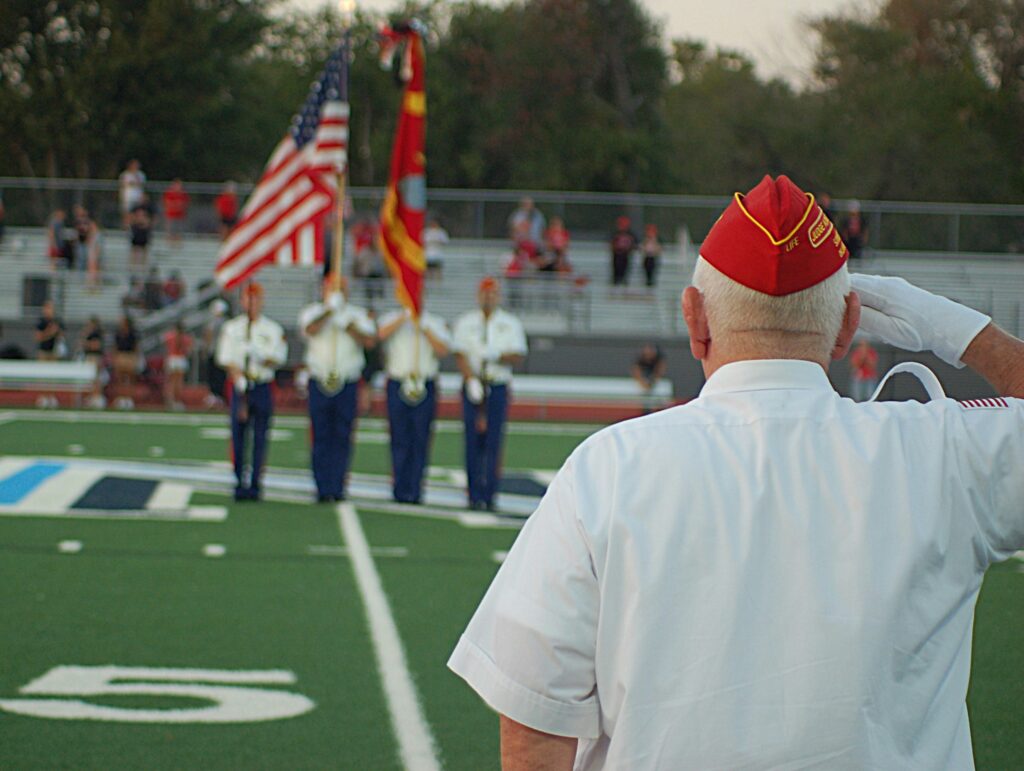
When veterans transition from military service to civilian life, they bring more than just experience—they bring leadership, resilience, teamwork, and a deep commitment to purpose. These traits not only define their time in uniform but also fuel their impact across a wide array of industries in the civilian workforce. In this blog, we celebrate the vital role that veterans play beyond their years of active duty. From healthcare and technology to logistics and education, veterans are leaving their mark on the American economy and reshaping what it means to lead, serve, and thrive in civilian careers. We’ll also explore how organizations like the Detroit School for Digital Technology (DSDT) are empowering veterans to launch successful careers through workforce-focused training and military education benefits. The Military-to-Civilian Transition: More Than a Career Change For many veterans, the transition to the civilian workforce isn’t just about finding a job—it’s about finding purpose. After years of structured service, many struggle to identify where their skills fit in. Yet, when properly supported and placed, veterans excel in roles that demand responsibility, adaptability, and mission-driven focus. Their military experience prepares them to: These strengths are not only valuable—they’re essential in today’s competitive and fast-paced work environments. Industries Where Veterans Thrive 1. Information Technology (IT) and Cybersecurity Veterans with technical military training, especially in communications, intelligence, and systems operations, are well-suited for careers in IT and cybersecurity. Their experience handling sensitive information, maintaining secure systems, and understanding threat landscapes makes them ideal candidates for protecting digital infrastructure. DSDT’s cybersecurity training programs are specifically designed to help veterans transition their skills into certifications and careers in network security, ethical hacking, and digital forensics. Learn more about how DSDT supports veteran career paths in tech on the Military Benefits page. 2. Healthcare and Medical Technology Disciplined, focused, and detail-oriented, veterans often excel in healthcare environments. Many have already worked in field hospitals or handled medical logistics, making careers in healthcare technology, medical assisting, or administration a natural next step. DSDT’s programs in healthcare technology and medical assisting are tailored to fast-track veterans into growing roles that improve patient care and support hospital systems. 3. Skilled Trades and Technical Services With hands-on experience in mechanical repair, construction, and logistics, many veterans transition into careers in: The demand for skilled labor continues to grow across the U.S., and veterans are meeting this need with precision and professionalism learned in the service. 4. Business and Project Management Military personnel are trained to lead, delegate, and execute—skills that are foundational to business success. Veterans thrive in: Employers often praise veteran hires for their integrity, work ethic, and results-driven mindset. The Economic Impact of Veterans in the Workforce Veterans are more than contributors—they’re economic drivers. According to the U.S. Census Bureau and Department of Labor: Their strong work ethic and commitment to team success drive productivity and innovation in companies across all sectors. Success Stories: Veterans Making an Impact Marcus Williams – From Army to IT Leadership After 12 years in the U.S. Army as a network administrator, Marcus enrolled in a cybersecurity certification program to transition to civilian life. With training support from DSDT, he earned multiple CompTIA certifications and now leads an IT security team at a Fortune 500 company. “DSDT gave me the structure and flexibility I needed to upgrade my skills while working part-time,” Marcus shares. “Now I’m using what I learned in the military—plus the technical knowledge I gained from DSDT—to keep systems secure and mentor others.” Janelle Ortiz – Combat Medic to Healthcare Innovator Janelle served two tours in Afghanistan as a combat medic. Upon returning home, she joined a medical technology program, where she quickly became certified as a clinical support specialist. Today, she works in telemedicine, ensuring rural communities have access to vital care. “The mission to help others never left me. It just changed uniforms,” Janelle says. Barriers to Civilian Employment: Challenges Veterans Face Despite their value in the workforce, veterans often face obstacles in their job search and professional development. Common challenges include: That’s where veteran-focused education and career services become critical. Institutions like DSDT are stepping up to remove these barriers and bridge the gap between military experience and career readiness. How DSDT Empowers Veterans for Workforce Success At the Detroit School for Digital Technology, we believe every veteran deserves the tools to succeed after service. That’s why we offer: ✔ Military-Friendly Certification Programs DSDT’s programs align with in-demand careers in digital marketing, cybersecurity, IT support, and medical tech—fields that are growing nationwide and especially suited to military skill sets. ✔ VA Education Benefits & MyCAA Veterans and military spouses may be eligible for financial aid through GI Bill® funding or MyCAA scholarships. DSDT helps students navigate these programs so they can focus on learning, not paperwork. Full benefit information is available on our Military Benefits page. ✔ Flexible Schedules and Online Options Understanding that many veterans are balancing work, family, and school, DSDT offers flexible learning paths—including online classes and hybrid formats—making it easier to complete training on your terms. ✔ Career Services and Job Placement Support From résumé building to interview prep and employer connections, DSDT’s career services team is dedicated to helping veteran students secure meaningful employment after graduation. Taking the Next Step: Education as a Catalyst The most impactful way veterans can accelerate their post-service careers is through targeted education and upskilling. Whether it’s earning a technical certification, exploring a new field, or advancing to a leadership role, the next mission begins in the classroom. If you’re a veteran—or know one—who’s ready to take the next step, we invite you to apply to DSDT today. Our team is here to guide you every step of the way, from enrollment through graduation and job placement. Employers Benefit from Hiring Veterans Organizations that hire veterans report numerous benefits, including: By embracing veterans, companies not only gain skilled employees—they also invest in individuals who know how to work under pressure, maintain discipline, and foster unity. Pro Tip for Employers: Use tools
Veterans Day Every Day: Simple Acts of Gratitude All Year Long
Each year, on November 11, we observe Veterans Day, a national holiday dedicated to honoring the brave men and women who have served in the United States Armed Forces. Parades are held, flags are flown, and heartfelt speeches are delivered. But for many veterans, appreciation shouldn’t be limited to a single day. Their sacrifices, resilience, and contributions continue long after their military service ends—and our gratitude should too. In this blog article, we explore how to make Veterans Day a mindset, not just a date on the calendar. From small, meaningful gestures to broader community efforts, we’ll walk through simple, impactful ways to show gratitude all year round. We’ll also highlight how institutions like DSDT empower veterans through education and career development—proving that gratitude can be more than symbolic. Why Everyday Gratitude Matters Veterans don’t stop serving when their deployments end. They continue to contribute to our communities—as teachers, nurses, business owners, leaders, and students. Many return home carrying both pride and unseen burdens: PTSD, injury, or the challenges of reintegration. By committing to showing appreciation every day, we can help bridge the gap between military service and civilian life. More than just “thank you,” real appreciation means understanding, inclusion, advocacy, and support. 1. Say Thank You—With Intention A sincere “thank you for your service” can mean the world to a veteran—when it’s said with intention and authenticity. A handshake, eye contact, and a few thoughtful words show respect in a personal and meaningful way. You can go a step further by: Gratitude begins with acknowledgment. And sometimes, a few genuine words are the best place to start. 2. Support Veteran-Owned Businesses Veterans are entrepreneurs at heart—disciplined, determined, and purpose-driven. Supporting veteran-owned businesses helps empower those transitioning to civilian careers and strengthens local economies. How to support: Look for businesses certified by organizations like the National Veteran-Owned Business Association (NaVOBA). Every purchase becomes a thank-you. 3. Hire Veterans or Refer Them for Jobs If you’re in a position to hire, consider adding veterans to your team. They bring leadership, accountability, and teamwork to every role. Even if you’re not a hiring manager, you can refer veterans to job openings, help review their resume, or coach them through interviews. Many veterans struggle to translate military experience into civilian job language—your help can bridge that gap. 🎯 Veterans at DSDT receive career support and resume help tailored to military-to-civilian transitions. Explore our Military Benefits page. 4. Invite Veterans to Share Their Stories Veterans often carry powerful, inspiring stories—but many don’t get the chance to tell them. Inviting veterans to share their experiences can promote healing and create understanding in communities. Ways to share: Storytelling honors experience. It humanizes service, and it reminds us why we are thankful. 5. Volunteer Your Time Time is one of the most valuable gifts you can give. Thousands of organizations across the U.S. support veterans in need—whether it’s housing, job training, mental health, or companionship. Volunteer opportunities: If you can give a weekend, an hour, or even a phone call, your time can make a lasting impact. 6. Donate to Veteran-Focused Charities Monetary donations are a powerful way to support veteran communities, especially when directed to trustworthy nonprofits. Even small contributions add up. Look for charities rated highly on Charity Navigator or Guidestar, such as: Every dollar you donate becomes an extension of your gratitude. 7. Advocate for Veterans’ Rights and Services Gratitude also means being a voice for veterans. Advocacy can lead to real change—improved mental health access, housing programs, and educational funding. How to advocate: Use your platform—no matter how big or small—to support those who have served. 8. Celebrate Veteran Milestones Veterans are achieving great things every day—earning degrees, launching businesses, raising families, and leading communities. Acknowledge their post-service victories, not just their military past. Celebrate: Let them know their continued contributions are valued and celebrated. 9. Offer Education and Skill-Building Opportunities Returning to school is a big step for many veterans. Institutions like DSDT are dedicated to helping veterans transition from service to success. DSDT offers: We don’t just say “thank you”—we empower veterans with the tools they need to lead civilian lives with pride and purpose. 🎓 Know a veteran ready to learn? Encourage them to Apply Now. 10. Include Veterans in Community Life Veterans are more than their uniforms. They are artists, athletes, parents, and creators. Make them feel welcome and involved. Simple ways to include veterans: Inclusion builds trust. When veterans feel seen and valued in daily life, we create stronger, more compassionate communities. 11. Make Veterans Day a Family Tradition Teach children that gratitude isn’t just for Thanksgiving. Make Veterans Day—and everyday appreciation—a family value. Ideas: These small actions nurture a culture of lifelong respect and empathy. 12. Remember the Families Behind every veteran is a family that served too. Spouses, children, and parents of service members often make sacrifices with little recognition. Ways to show gratitude: DSDT also offers educational pathways tailored to military spouses and dependents. 💡 See how DSDT supports education for military families: Military Benefits. 13. Support Veterans in Transition The shift from military to civilian life can be overwhelming. Veterans may struggle with identity, employment, or purpose. Your encouragement can help ease that transition. Offer: Small gestures can lead to big breakthroughs. 14. Recognize Invisible Wounds Not all battle scars are visible. Many veterans silently face PTSD, anxiety, depression, and survivor’s guilt. These struggles deserve just as much recognition as physical injuries. What you can do: Your empathy could save a life. 15. Learn About Military Culture Understanding the military experience makes your gratitude more informed and genuine. Learn about: This knowledge helps you become a better supporter, neighbor, coworker, and friend. 16. Wear and Share Support Wearing a pin, cap, or shirt supporting veterans is a simple way to show respect. Even more meaningful is sharing why you wear it. Visibility leads to awareness. Awareness leads to action. Conclusion: Gratitude is a Lifestyle, Not a Holiday Veterans Day reminds us to pause
The Lasting Legacy of Our Veterans: Why Their Sacrifices Matter
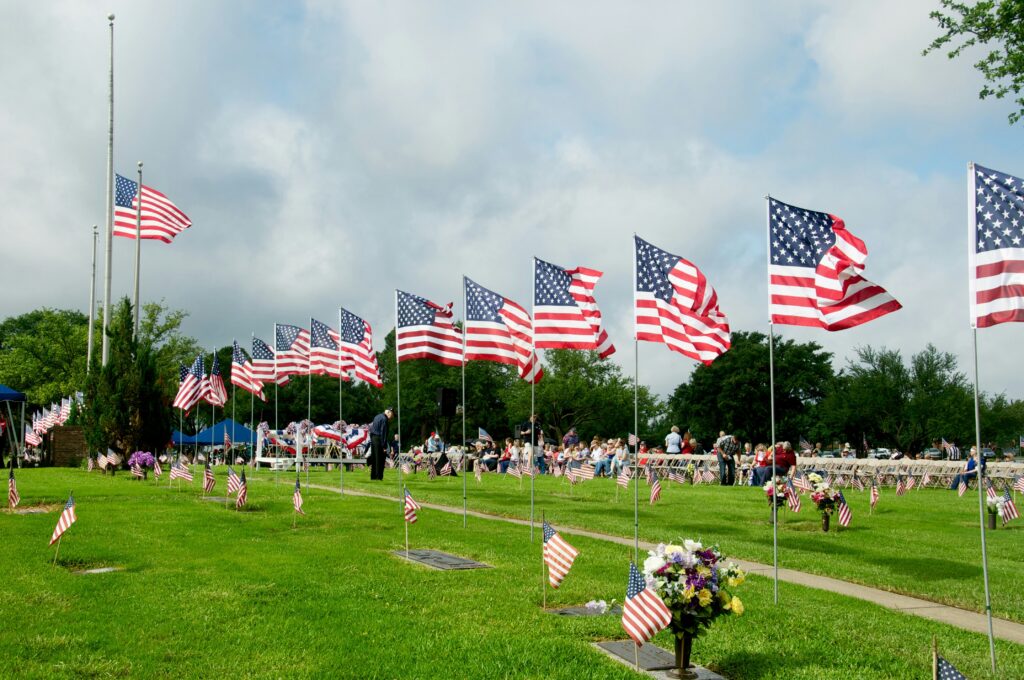
Every American veteran carries with them a powerful legacy—a story of courage, sacrifice, and service that has helped shape the identity of our nation. From the Revolutionary War to modern-day conflicts in the Middle East, U.S. veterans have consistently stepped forward in times of crisis, driven by a selfless desire to protect their country and fellow citizens. But their impact goes far beyond the battlefield. Veterans are community leaders, educators, entrepreneurs, caregivers, and public servants. Their values—discipline, responsibility, and commitment—live on through generations, shaping not just military history but American society itself. In this article, we explore the deep and lasting legacy of our veterans, why their sacrifices matter, and how institutions like the Detroit School for Digital Technology (DSDT) are helping them thrive after service. A Legacy Built on Service and Sacrifice Veterans don’t just serve—they lead. Whether deployed overseas or stationed at home, service members endure extraordinary circumstances that most civilians will never fully grasp. They miss birthdays and holidays. They stand in harm’s way, face physical and mental trauma, and witness the cost of freedom firsthand. Their sacrifices are personal, yet their legacy is shared. Every veteran’s story is part of a much larger national narrative—one built on values like honor, duty, and resilience. When we honor veterans, we acknowledge the foundation of our country’s freedom and the high cost paid to preserve it. The Ripple Effects of Military Service Veteran service doesn’t end when the uniform comes off. In fact, many veterans continue serving their communities in new ways once they return to civilian life: 1. Veterans as Leaders Veterans often take on leadership roles in business, politics, and nonprofits. Their training fosters adaptability, strategic thinking, and the ability to work under pressure—skills that translate directly into civilian success. From presidents like Dwight D. Eisenhower to entrepreneurs like FedEx founder Frederick W. Smith, veterans have used their experiences to build, lead, and innovate in every corner of American society. 2. Veterans as Mentors Many veterans take young people under their wing, mentoring them through programs like the Junior ROTC, Boy Scouts, and local sports leagues. Their influence instills respect, discipline, and a sense of purpose in the next generation. 3. Veterans as Public Servants Thousands of veterans work in public service roles—as police officers, firefighters, social workers, and teachers. Their unique backgrounds often give them a heightened sense of responsibility to their communities, especially in times of crisis. Why Their Sacrifices Matter Today Veterans’ sacrifices ripple through history and continue to shape the present. Here’s why their contributions matter now more than ever: A. Protecting Democratic Values Veterans have defended democracy at home and abroad, fighting for freedoms like speech, religion, and the right to vote. Their service protects the very core of American identity. B. Strengthening National Security Veterans possess critical insights into global threats, military strategy, and national defense. Many continue working in intelligence, cybersecurity, and emergency preparedness after leaving active duty. C. Promoting Unity in a Divided World Amid political division, veterans often serve as reminders of the shared values that unite us—courage, duty, and love for country. Their stories offer a path back to national cohesion and mutual respect. D. Contributing to Economic Growth Veterans contribute to the economy as small business owners, skilled tradespeople, engineers, and healthcare workers. Their military-acquired skills help close labor shortages and enrich industries across the country. Real Stories: The Enduring Impact of U.S. Veterans 1. Tammy Duckworth – From Combat to Congress An Iraq War veteran and former helicopter pilot, Senator Tammy Duckworth lost both legs in combat. After her recovery, she dedicated her life to advocating for veterans’ rights and disability access. Her story embodies resilience and the determination to continue serving. 2. Travis Mills – A Living Example of Courage Army Staff Sergeant Travis Mills survived an IED explosion in Afghanistan, becoming one of the few quadruple amputees from the war. He later founded the Travis Mills Foundation, which supports injured veterans and their families, proving that life after injury can still be full of purpose. 3. Montel Williams – Veteran, Advocate, Media Personality Before becoming a television host, Montel Williams served in both the Marine Corps and the Navy. He’s since become a vocal advocate for veterans, using his platform to push for better access to healthcare, mental health resources, and education. Challenges Veterans Face After Service While their impact is profound, veterans often face steep challenges after leaving the military: These obstacles make it critical for institutions and communities to actively support returning service members—not just with words, but with meaningful resources. How Education Supports Veterans’ Legacies One of the most powerful tools to honor veterans is to empower them with access to education. Learning new skills opens doors to career paths that align with their service values and leadership experience. The Detroit School for Digital Technology (DSDT) stands at the forefront of this mission. As a military-friendly institution, DSDT offers programs designed to support veterans in transitioning to rewarding civilian careers in high-demand fields like: DSDT understands the unique needs of veterans, offering flexible schedules, hands-on training, and staff who are knowledgeable about VA and military education benefits. Veterans can learn more about these offerings by visiting the DSDT Military Benefits page. Ready to take the next step? Veterans and their families can start their journey toward a new chapter by applying online here. Building a Future That Reflects Veterans’ Contributions As a nation, we must ensure that veterans’ sacrifices are not only honored, but reflected in how we treat and support them after service. This includes: Their legacy is not just found in memorials or military ceremonies—it’s woven into the very fabric of our society. By investing in veterans’ futures, we invest in the strength and values of our country. What You Can Do to Support Veterans Whether you’re a business owner, educator, student, or community member, there are countless ways to support and amplify the legacy of veterans: Conclusion: A Legacy That Lives On The legacy of U.S.
Honoring Our Heroes: Heartfelt Stories from U.S. Veterans
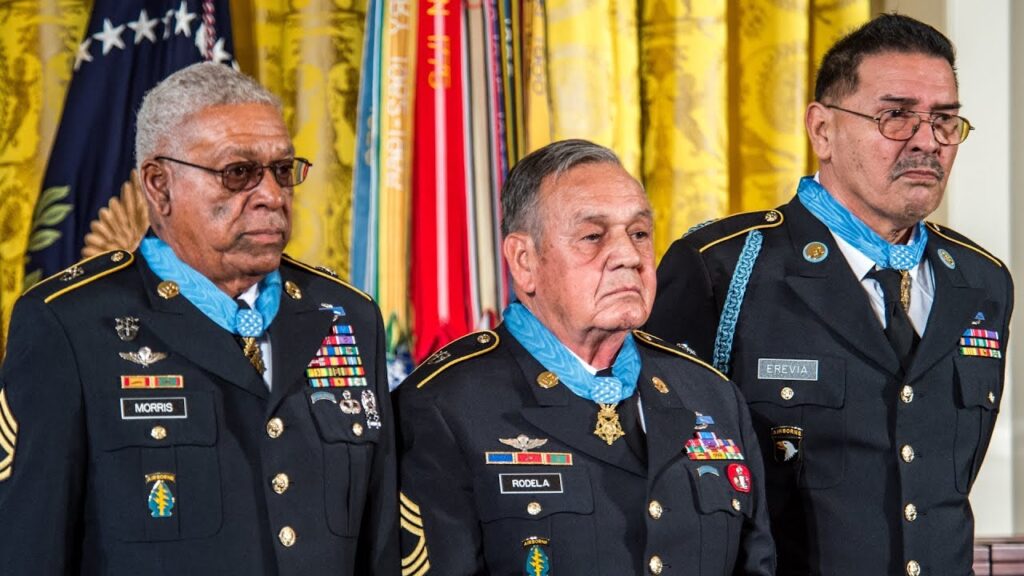
The United States owes a profound debt to its veterans—men and women who have donned the uniform, faced adversity, and made immense sacrifices to safeguard our freedoms. Their stories, filled with courage, resilience, and unwavering commitment, serve as powerful reminders of the human spirit’s strength. In this article, we delve into some of these heartfelt narratives, shedding light on the experiences of U.S. veterans and the support systems that assist them in their post-service lives. The Unyielding Spirit of Service Veterans come from diverse backgrounds, yet they share a common thread: a dedication to service. Their journeys often begin with a call to duty, leading them through rigorous training, deployments, and, for many, combat experiences that leave indelible marks. Take, for instance, the story of Vietnam War veteran Jesus Segovia. Serving from 1966 to 1967, Segovia faced not only the perils of combat but also the societal backlash upon returning home. He recounted the hostility and lack of recognition that many Vietnam veterans endured, contrasting it with the recent efforts to honor their service, such as the establishment of Vietnam War Veterans Day in 2012. Similarly, Clark Doehr, another Vietnam veteran, shared his journey of healing through helping fellow veterans. After facing the challenges of reintegration and battling PTSD, Doehr found solace and purpose in supporting others, highlighting the therapeutic power of community and shared experiences. Triumph Over Adversity The transition from military to civilian life can be fraught with challenges, including physical injuries, psychological trauma, and the search for a new identity. Yet, many veterans demonstrate remarkable resilience, turning adversity into strength. Desmond Doss, a World War II Army medic, exemplifies this resilience. A conscientious objector due to his religious beliefs, Doss refused to carry a weapon. Despite this, he saved approximately 75 men during the Battle of Okinawa, earning the Medal of Honor for his heroism In more recent times, programs like Dogs 4 Valor have been instrumental in aiding veterans with PTSD. Veterans such as Air Force Staff Sgt. Heather O’Brien and Marine Corps Corporal Mark Atkinson have found significant relief through the companionship and support of service dogs, underscoring the importance of innovative therapeutic approaches . Preserving Memories: The Importance of Storytelling Sharing and preserving veterans’ stories is crucial for honoring their sacrifices and educating future generations. Initiatives like the Veterans History Project by the Library of Congress collect personal narratives, ensuring that these experiences are not lost to time. Similarly, the Wounded Warrior Project’s “Meet a Warrior” series offers a platform for veterans to share their journeys, fostering understanding and empathy among the public. Support Systems: Aiding the Transition Recognizing the challenges veterans face, numerous organizations and institutions have developed programs to support their transition to civilian life. Educational opportunities, in particular, play a pivotal role in this process. The Detroit School for Digital Technology (DSDT) is one such institution committed to assisting veterans. By offering programs tailored to the needs of military personnel and their families, DSDT provides pathways to new careers in digital technology. Veterans can learn more about the benefits available to them at DSDT’s Military Benefits page and take the first step towards a new career by applying here. A Collective Responsibility Honoring our heroes extends beyond ceremonies and memorials; it involves active engagement in supporting veterans’ well-being. Communities can contribute by volunteering, advocating for veteran-friendly policies, and fostering environments that recognize and value the experiences of those who have served. As we reflect on the stories shared, let us commit to ensuring that the sacrifices of our veterans are met with gratitude, support, and opportunities for growth. Their resilience and dedication serve as enduring inspirations, reminding us of the profound impact of service and the strength of the human spirit.
Top Online Military Schools for Busy Military Families
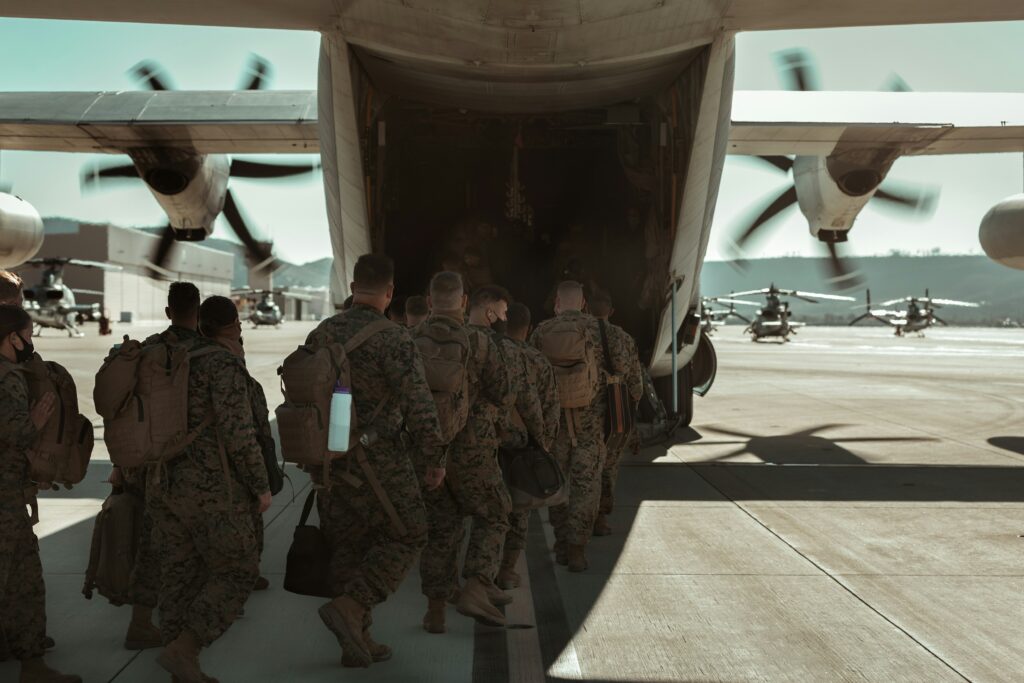
Military families often face unique challenges, including frequent relocations, unpredictable schedules, and the need for flexible educational options. Online military-friendly schools have emerged as a vital solution, offering programs that cater to the dynamic lifestyles of service members and their dependents. This article highlights the top online military schools in 2025, emphasizing their commitment to providing quality education with the flexibility and support that military families require. 1. DSDT College Detroit School for Digital Technology (DSDT) stands out as a premier institution for military families seeking online education. DSDT offers a range of programs designed to accommodate the unique needs of active-duty service members, veterans, and their dependents. Contact Us. Military Benefits DSDT is committed to supporting military students through various benefits: Programs Offered DSDT provides a variety of programs in high-demand fields, including: These programs are designed to equip students with practical skills that are directly applicable in the workforce. Application Process Prospective students can easily apply to DSDT through their online application portal: Apply to DSDT. The admissions team is available to assist applicants throughout the process, ensuring a smooth transition into their chosen program. 2. American Military University (AMU) American Military University (AMU) is renowned for its dedication to serving military students. Offering over 200 online degree and certificate programs, AMU provides flexible learning options tailored to the needs of service members and their families. Military Benefits Programs Offered AMU’s programs span various disciplines, such as: These programs are designed to align with the career goals of military personnel and veterans. 3. University of Maryland Global Campus (UMGC) University of Maryland Global Campus (UMGC) has a longstanding history of serving military students worldwide. With a focus on flexibility and accessibility, UMGC offers online programs that accommodate the unique schedules of military families. Military Benefits Programs Offered UMGC offers a wide range of programs, including: These programs are designed to provide practical skills applicable in various career paths. 4. Purdue University Global Purdue University Global is a public, nonprofit institution that offers personalized online education tailored to working adults, including military personnel. The university’s flexible learning options make it an excellent choice for military families. Military Benefits Programs Offered Purdue Global offers a variety of programs, such as: These programs are designed to meet the evolving needs of the workforce. 5. Western Governors University (WGU) Western Governors University (WGU) is a nonprofit, online university that offers competency-based education, allowing students to progress through courses at their own pace. This model is particularly beneficial for military families with unpredictable schedules. Military Benefits Programs Offered WGU’s programs include: These programs are designed to provide students with the skills needed for career advancement. 6. The Citadel The Citadel, known for its military heritage, offers online programs through its Graduate College, catering to the needs of military personnel and their families. The institution combines rigorous academics with a commitment to leadership development. Military Benefits Programs Offered The Citadel offers programs such as: These programs are structured to provide practical knowledge and skills applicable in various professional settings. Choosing the right online military-friendly school is crucial for service members and their families seeking to advance their education while managing the demands of military life. Institutions like DSDT College, AMU, UMGC, Purdue University Global, WGU, and The Citadel offer programs that combine flexibility, support, and quality education tailored to the unique needs of military families. By leveraging the benefits and resources provided by these schools, military students can achieve their academic and career goals without compromising their service commitments.
How Military Schools Support Families and Dependents
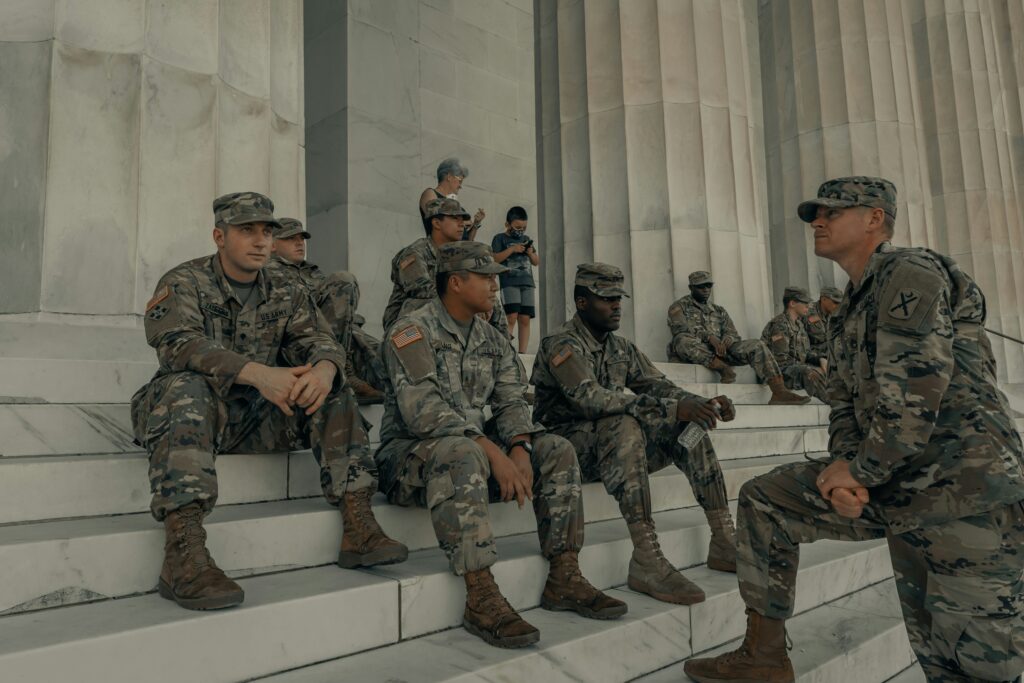
Military families face unique challenges, from frequent relocations to the emotional toll of deployments. Educational institutions like DSDT College recognize these challenges and offer comprehensive support to ensure that service members, their spouses, and dependents have access to quality education and resources. This article delves into the various ways military schools, particularly DSDT College, support families and dependents. Understanding the Needs of Military Families Military life often involves: Recognizing these factors, educational institutions have developed programs and services tailored to the needs of military families. Financial Assistance and Benefits GI Bill® and Transferable Benefits The Post-9/11 GI Bill® provides financial support for education and housing to veterans and their families. Service members can transfer unused education benefits to their spouses or children, ensuring that dependents have access to higher education opportunities. MyCAA Program The Military Spouse Career Advancement Accounts (MyCAA) program offers up to $4,000 in financial assistance to eligible military spouses pursuing licenses, certifications, or associate degrees in high-demand, portable career fields. DSDT College’s Commitment DSDT College offers a range of financial aid options tailored for military families, including assistance with understanding and applying for benefits like the GI Bill® and MyCAA. Their dedicated financial aid office ensures that families maximize their entitled benefits. Flexible Learning Options Understanding the unpredictable nature of military life, DSDT College provides: These options ensure that military spouses and dependents can pursue their educational goals without interruption. Support Services Dedicated Military Support Staff DSDT College employs staff members who specialize in assisting military families, guiding them through admissions, financial aid, and academic planning. Counseling and Mental Health Services Recognizing the emotional challenges faced by military families, DSDT offers counseling services to support students’ mental well-being. Career Services The college provides career counseling, resume workshops, and job placement assistance, ensuring that military spouses and dependents are prepared for the workforce upon graduation. Community and Networking Building a sense of community is crucial for military families. DSDT College fosters this through: Academic Programs Aligned with Military Needs DSDT College offers programs that align with the career aspirations of military spouses and dependents, including: These programs are designed to be portable and in-demand, ensuring that graduates can find employment opportunities regardless of location. Enrollment Process Simplified Understanding the complexities military families face, DSDT College has streamlined its enrollment process: Conclusion Military families make significant sacrifices in service to the nation. Educational institutions like DSDT College recognize these sacrifices and are committed to providing the support, flexibility, and resources necessary for families and dependents to achieve their educational and career goals. Through tailored programs, financial assistance, and a supportive community, DSDT stands as a beacon for military families seeking advancement and stability.
Understanding the Discipline and Structure of Military Schools
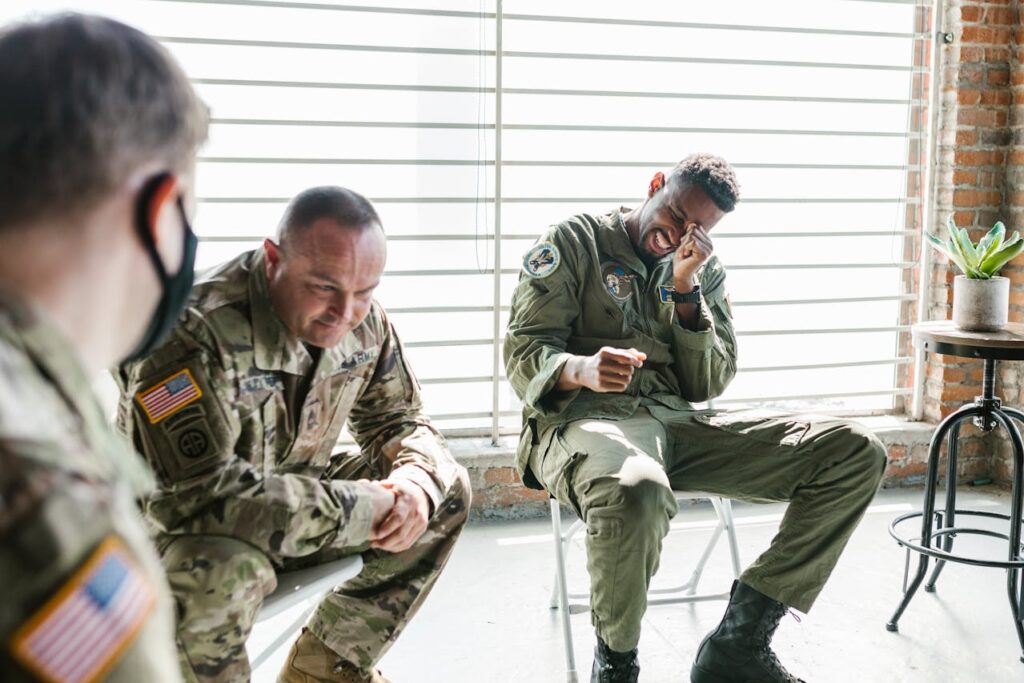
Military schools have long been known for their strong emphasis on discipline, order, and academic excellence. For many families, these institutions represent a path not just to higher education, but also to character development, leadership training, and personal growth. Whether students are considering military service or simply seeking a structured learning environment, military schools offer a unique blend of tradition and transformation. This article explores the core principles that define military schools, focusing specifically on their discipline and organizational structure—two foundational elements that set them apart from traditional educational models. What Is a Military School? Military schools are specialized educational institutions that blend a rigorous academic curriculum with military-style discipline and leadership development. They are typically geared toward middle and high school students, though some colleges and preparatory academies also operate under military models. Students, often referred to as cadets, follow a daily schedule that emphasizes academic achievement, physical fitness, time management, and moral responsibility. While some military schools prepare students for direct entry into the armed forces, many are designed to support broader goals—such as college admissions, personal development, and future careers in public service, business, or engineering. Core Principles of Discipline in Military Schools 1. Respect and Accountability Military schools instill a deep sense of respect—toward authority, peers, personal responsibilities, and institutional values. This respect is not simply demanded but is taught through daily routines, mentorship, and consistent expectations. Cadets are held accountable for their actions. Whether it’s being late for formation or missing an assignment deadline, students learn that every decision has a consequence. This fosters maturity and self-awareness. 2. Uniform Standards and Dress Codes One of the most visible markers of discipline in military schools is the uniform. Wearing the same attire daily cultivates equality and unity, while reducing distractions related to personal appearance. Cadets must maintain their uniforms to exact standards, reinforcing attention to detail, pride in appearance, and responsibility for their personal gear. 3. Time Management and Punctuality A key tenet of military school life is mastering time. Schedules are tight, and cadets must learn to manage their daily responsibilities efficiently. From reveille at dawn to lights out at night, students transition through a carefully structured day that maximizes productivity and minimizes downtime. Being on time isn’t optional—it’s a discipline that becomes second nature. These time management skills carry over into college, military service, or any future career. Structure and Hierarchy: How Military Schools Are Organized 1. Cadet Chain of Command Military schools mirror real-world military structures through a cadet chain of command. Students are placed into units, such as platoons or companies, and ranked according to merit, seniority, or leadership potential. Leadership roles are earned and come with specific responsibilities. For example: This hierarchy instills leadership skills, accountability, and mutual respect. 2. Daily Schedules and Routines Structure is the heartbeat of a military school. The daily schedule typically includes: Cadets follow these routines to the minute, learning consistency and self-regulation. Over time, this repetitive structure builds resilience and independence. 3. Merit-Based Systems and Discipline Boards Behavior and performance are often monitored through merit and demerit systems. Positive behavior earns recognition, ranks, or privileges, while misconduct leads to penalties such as extra duties or temporary rank loss. More serious infractions are addressed by a cadet discipline board or faculty committee. The goal is not just punishment—but reflection, growth, and personal responsibility. The Role of Drill and Ceremony Drill and ceremony practices are an essential part of military school structure. These precise, synchronized movements instill: Drills promote esprit de corps and reinforce the discipline of following orders accurately. They also help cadets understand the importance of unity and discipline in achieving common goals. Academic Structure in Military Schools Military schools balance military values with a strong academic curriculum. Their mission is to prepare students for both civilian and military success. 1. Rigorous Coursework Cadets typically follow a college-preparatory curriculum. Courses include: Advanced Placement (AP) and dual-credit options are often available for ambitious students. 2. STEM Emphasis Given the technological demands of modern military and civilian careers, many military schools focus heavily on STEM (Science, Technology, Engineering, Math) education. This makes them ideal for students considering ROTC scholarships or U.S. Service Academies, which prioritize STEM skills. 3. Study Hall and Academic Support Evenings often include mandatory study hall periods where cadets focus on homework or seek tutoring. Faculty members and senior cadets provide support to ensure academic success remains a top priority. Emotional and Mental Discipline Beyond physical training and academic rigor, military schools emphasize emotional intelligence and mental discipline. 1. Emotional Regulation Students learn to manage stress, remain calm under pressure, and respond constructively to feedback. These are essential life skills for leadership in both military and civilian roles. 2. Mental Resilience Cadets face challenges that test their limits—physically, mentally, and socially. By overcoming obstacles, they develop resilience and a problem-solving mindset that serves them well in all areas of life. How Military School Discipline Benefits Life Beyond Graduation Discipline and structure aren’t just tools for the moment—they’re building blocks for the future. Students who graduate from military schools often leave with: Whether pursuing a career in the armed forces, attending a service academy, or transitioning into the business or tech world, these graduates are well-equipped to thrive. Military Schools as Preparation for ROTC and Service Academies Military schools are excellent pipelines for Reserve Officers’ Training Corps (ROTC) programs and the U.S. Service Academies (such as West Point, the Naval Academy, or the Air Force Academy). Here’s how their discipline and structure translate directly: If you’re considering this path, read more about military benefits and education at DSDT on the Military & Veteran Benefits page. DSDT and Support for Military-Structured Programs DSDT College offers a variety of career training programs that welcome military-affiliated students, veterans, and active-duty service members. Whether you’re transitioning from a military school or seeking a structured program as a new beginning, DSDT provides: Explore your future in a setting that respects discipline, structure, and military values. To get started, visit
How Military Schools Prepare Students for Service Academies and ROTC
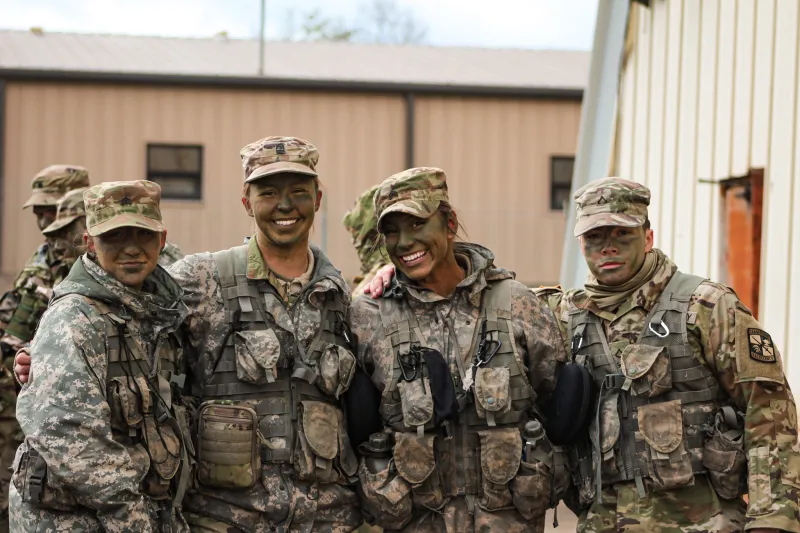
Military schools have long been recognized as foundational institutions for cultivating the discipline, leadership, and academic prowess required for success in U.S. Service Academies and Reserve Officers’ Training Corps (ROTC) programs. These schools offer structured environments that mirror the expectations of military life, providing students with a head start in their pursuit of military careers. The Role of Military Schools in Shaping Future Officers Military schools serve as incubators for future military leaders by instilling core values such as honor, duty, and respect. Through a combination of academic rigor and military training, students develop the resilience and leadership skills necessary for the demands of service academies and ROTC programs. Academic Excellence and Rigor Success in service academies and ROTC programs requires a strong academic foundation. Military schools emphasize subjects critical to military education, including mathematics, science, and engineering. Advanced placement courses and college preparatory curricula ensure that students are well-prepared for the academic challenges ahead. Leadership Development Leadership is a cornerstone of military education. Military schools provide students with opportunities to hold positions of responsibility, such as platoon leaders or company commanders within the cadet corps. These roles teach students how to lead peers, make decisions under pressure, and develop effective communication skills. Physical Fitness and Training Physical readiness is essential for military service. Military schools incorporate daily physical training routines that build endurance, strength, and agility. Students participate in activities like obstacle courses, drill exercises, and team sports, all designed to meet or exceed the physical standards of service academies and ROTC programs. Familiarity with Military Structure and Protocol Understanding military customs, courtesies, and organizational structures gives students an advantage in service academies and ROTC programs. Military schools immerse students in a culture that mirrors military life, teaching them the importance of chain of command, uniform standards, and ceremonial procedures. Character and Ethical Development Integrity and ethical decision-making are vital traits for military officers. Military schools focus on character education, emphasizing the importance of honor codes and ethical behavior. Students learn to uphold high moral standards, preparing them for the ethical challenges they may face in military service. Exposure to Military Career Paths Military schools often provide students with information about various military career options, including different branches and specialties. Guest speakers, career fairs, and mentorship programs expose students to the possibilities within military service, helping them make informed decisions about their future paths. Application Support for Service Academies and ROTC The application processes for service academies and ROTC scholarships are competitive and complex. Military schools offer dedicated support to guide students through these processes, including assistance with nomination letters, interview preparation, and fitness assessments. Financial Aid and Military Benefits Understanding the financial aspects of military education is crucial. Many military schools provide information on financial aid options, including scholarships, grants, and military benefits. For instance, DSDT offers comprehensive support for veterans and active-duty service members seeking educational opportunities. Success Stories and Alumni Networks Alumni of military schools often go on to achieve significant success in service academies, ROTC programs, and military careers. These alumni networks provide current students with mentorship opportunities, guidance, and inspiration, reinforcing the value of a military school education. Conclusion Military schools play a pivotal role in preparing students for the challenges and opportunities of service academies and ROTC programs. Through a combination of academic excellence, leadership training, physical fitness, and ethical development, these institutions lay the groundwork for future military leaders. For those interested in pursuing this path, institutions like DSDT offer programs and support tailored to aspiring military professionals. To learn more about enrollment opportunities, visit DSDT’s application page.
What Is a Military Friendly School?
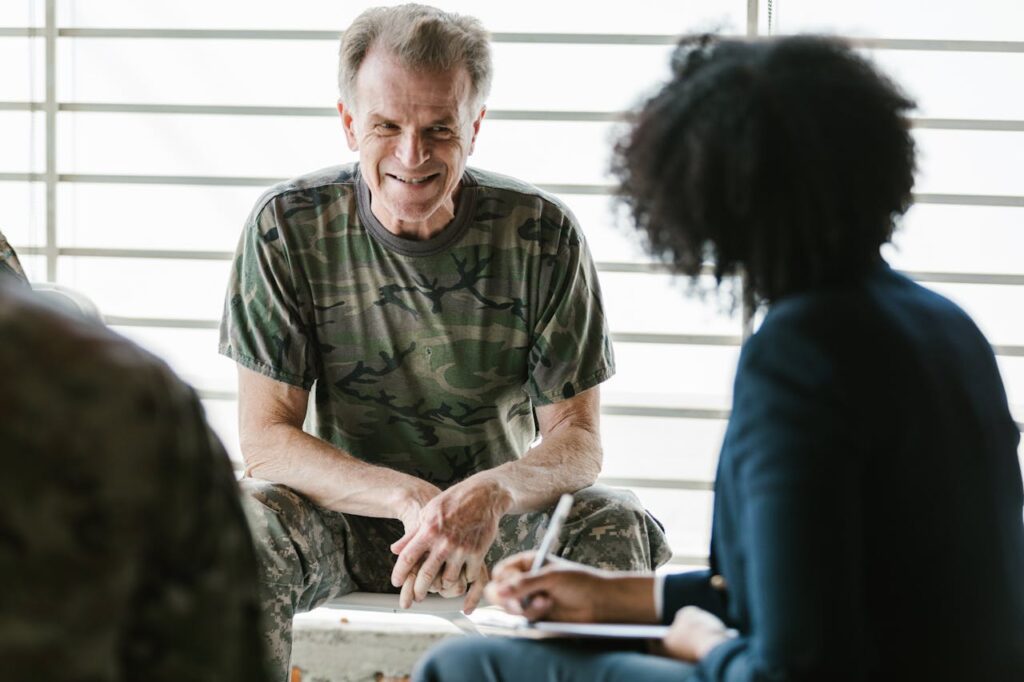
For service members, veterans, and military families, choosing the right college is a critical decision. Amid frequent moves, deployments, and career transitions, finding a supportive educational environment can make all the difference. That’s where the concept of a military friendly school comes into play. But what is a military friendly school exactly? In this guide, we’ll explain what it means, what criteria schools must meet, and why DSDT College is proud to stand among the nation’s top military friendly online schools. Defining a Military Friendly School A military friendly school is an educational institution that demonstrates a strong commitment to serving military-affiliated students, including active-duty service members, veterans, reservists, National Guard members, and military dependents. These schools provide: At DSDT College, our mission is to ensure that military-affiliated students have every opportunity to achieve educational success while honoring the sacrifices they and their families have made. What Makes a School Truly Military Friendly? Simply offering a discount or listing “veterans welcome” on a website isn’t enough. Recognized military friendly schools meet stringent standards, such as: At DSDT, you’ll find all of these essential elements—and more—designed to serve military learners across every branch and base. Explore more about DSDT’s Military Benefits. Key Features of Military Friendly Schools Let’s break down the major features that distinguish military friendly schools online and on campus. 1. Financial Support: Tuition Assistance and GI Bill® Benefits Military friendly business schools and technical colleges alike accept a variety of military education benefits, including: DSDT proudly accepts these benefits, ensuring that cost is not a barrier to education for our military students. We are recognized among military tuition assistance friendly schools for simplifying the process and offering transparent tuition pricing. 2. Flexible Learning Options: Online and Asynchronous Programs Military life is unpredictable. That’s why leading online schools military friendly offer: At DSDT, our fully online programs allow military students to complete coursework from anywhere in the world, whether deployed overseas or stationed at a base across the United States. Explore our Military Benefits to learn how flexibility is built into everything we do. 3. Academic and Career Support True military friendly online schools provide academic advising, career counseling, and employment assistance specifically tailored for military and veteran students. Key support services include: At DSDT, our mission is not just graduation—it’s career placement. We align training programs with in-demand industries, helping you move from military service to civilian success. 4. Credit Transfer for Military Experience Your military experience is valuable. Military friendly schools recognize this by awarding academic credit for training and experience evaluated by: This policy can save you time and money on your degree. At DSDT, we proudly help servicemembers maximize transfer credits whenever possible, accelerating their path to a new career. 5. Culture of Support and Respect The best military friendly online schools foster an environment of respect for military and veteran students. This includes: At DSDT, every military-affiliated student becomes part of a community that honors service and supports success. How GI Jobs Evaluates Military Friendly Schools Each year, GI Jobs publishes a list of GI Jobs Military Friendly Schools based on a rigorous evaluation process that assesses: DSDT strives to meet and exceed these benchmarks, ensuring that we remain a trusted choice for military students nationwide. Why Military Students Choose Online Military Friendly Schools Online education is a natural fit for military learners. Reasons military students prefer online military friendly schools include: At DSDT, our 100% online programs make education accessible no matter where you serve. Best Military Friendly Online Schools: What to Look For When searching for the best military friendly online schools, here’s what to prioritize: ✅ Acceptance of military tuition benefits✅ Online classes with flexible scheduling✅ Transfer credit for military experience✅ Personalized military and veteran support✅ Career-aligned degree programs✅ Strong graduation and employment rates DSDT checks every box—making it a top choice for military students ready to advance their education and career. Ready to begin? Apply Now. DSDT College: A Proud Leader Among Military Friendly Schools At DSDT, we are committed to serving those who serve. Here’s why military students trust us: ✅ We offer military tuition assistance friendly schools programs that minimize out-of-pocket costs.✅ We provide flexible, accredited, 100% online career training.✅ We respect military service with academic credit for training and experience.✅ We deliver personalized admissions, advising, and career placement services.✅ We have a strong community of veteran students, faculty, and staff. Whether you’re looking for military friendly business schools or technical career training, DSDT is ready to support your success. Career-Focused Programs for Military Students We offer a wide range of in-demand programs, including: Our programs are aligned with fast-growing industries, making your transition to civilian employment faster and smoother. Learn more about DSDT’s Military Benefits. Your Next Mission: Enroll Today Your service has shaped you into a disciplined, resilient leader. Now it’s time to channel those qualities into your next career with help from a truly military friendly school. 👉 Apply to DSDT College Today 👉 Learn More About Our Military Benefits Join a community that honors your past—and invests in your future.