Why Choose DSDT for Military Training Programs?
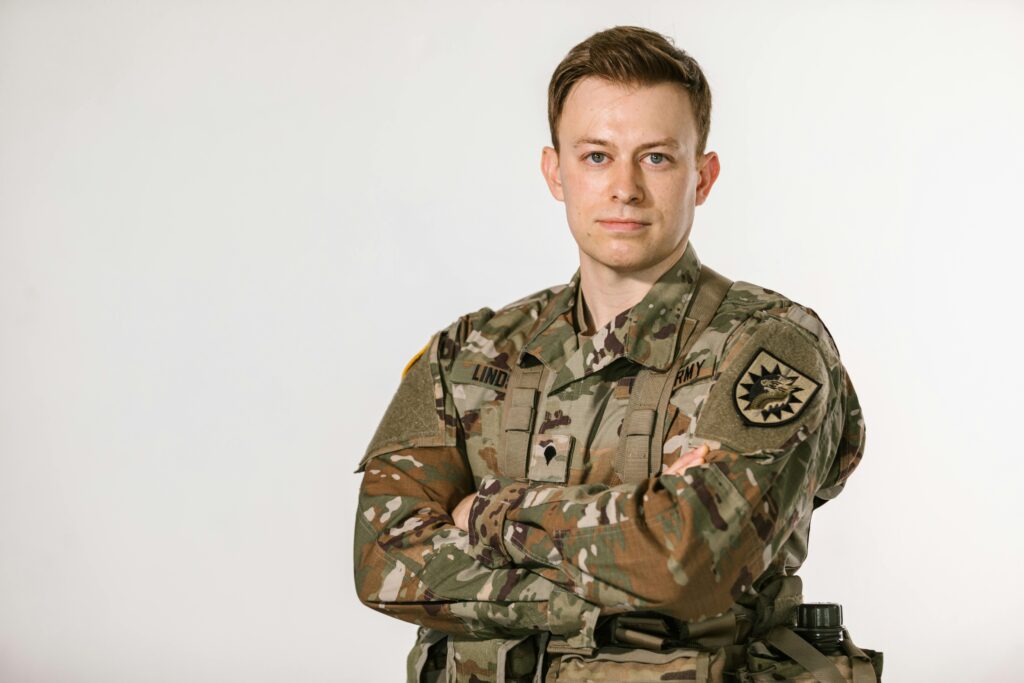
In the evolving landscape of modern education, career advancement, and national service, one institution stands out as a beacon of opportunity and excellence for our armed forces: DSDT. Offering a robust and comprehensive lineup of military training programs, DSDT has positioned itself as a leader in delivering education that aligns with the goals, lifestyle, and ambitions of military students — whether they are active-duty service members, transitioning veterans, or military family dependents. If you’re looking for a school military program that understands your unique needs and delivers real-world outcomes, DSDT may be the answer you’ve been searching for. A New Era of Military Schooling Gone are the days when service members had to choose between military duty and higher education. Today, thanks to institutions like DSDT, military personnel can pursue military school programs that are flexible, career-focused, and tailored to their service schedules and benefits. DSDT’s approach to military education focuses on the following: This forward-thinking approach makes DSDT’s military schooling program one of the most adaptable and effective in the country. Why Military Students Choose DSDT 1. Mission-Aligned Values At DSDT, we honor the dedication, resilience, and discipline that military students bring. Our programs are designed with a mission-first mentality, where personal development, community impact, and long-term career sustainability are key objectives. 2. Military-Friendly Certification Programs Our course offerings cater directly to fields in high demand both within and beyond the military, including: These offerings fall under the umbrella of our military training assistance program, giving students a head start on becoming job-ready even before they transition out of service. 3. Tailored Scheduling and Support Military students often have demanding schedules and deployment responsibilities. DSDT addresses this by providing online, hybrid, and accelerated options within its training program for military students. This means you can learn at your own pace, without compromising your military responsibilities. A Look at Our Top Military Training Programs DSDT provides a variety of military-friendly courses and certifications, often mirroring US military training programs to support mission-readiness and post-service employment. 1. Cybersecurity and Network Defense With threats to national security growing more complex, cybersecurity has become a top-tier focus. Our program mirrors core competencies found in military cyber operations, making it one of the best military training program options for tech-savvy service members. 2. AI and Machine Learning Specialist Training Artificial intelligence is revolutionizing modern warfare, logistics, and intelligence operations. This course, designed for aspiring military officer training programs or post-military leadership roles, teaches students how to design, deploy, and optimize AI systems. 3. Digital Marketing Professional Program Military students interested in pivoting to entrepreneurship or civilian business roles benefit from this program. It offers deep skills in branding, analytics, and customer engagement, preparing veterans for digital age careers. 4. Healthcare and Medical Assistant Training Ideal for medics and those transitioning from military healthcare roles, this program equips students for a civilian healthcare career while honoring their existing training. DSDT’s Military Boot Camp Training Program Experience Although DSDT does not operate a physical military boot camp, our military boot camp training program style includes: These components simulate the disciplined, mission-critical learning environment many service members are already accustomed to — making for a smooth transition from active duty to the classroom. Financial Aid and Military Benefits A key advantage of choosing DSDT is access to a wide range of military training assistance program benefits. Through our military training program, eligible students may receive: DSDT has dedicated financial aid advisors to help you navigate the process — ensuring that no benefit goes unused. Transitioning from Service to Civilian Success One of the toughest challenges military personnel face is transitioning from uniform to civilian life. DSDT makes this journey easier by offering career-aligned programs, job placement support, and internship opportunities. Here’s how we assist in your transition: Whether you’re leaving the service soon or planning ahead, DSDT provides a secure bridge into your next mission. Leadership Training and Officer Development For those seeking military officer training programs, DSDT’s focus on leadership, analytics, and emerging technologies makes it an ideal steppingstone. Officer roles — whether in logistics, intelligence, cybersecurity, or operations — demand advanced skillsets in communication, critical thinking, and tech fluency. Our courses include: These offerings help future officers not only meet expectations but exceed them — both during service and beyond. Community and Support for Military Families DSDT is more than just a campus — it’s a community. Military spouses, dependents, and veterans find support through: Our military schooling program isn’t limited to the service member; it embraces the full military household. Recognitions and Accreditations DSDT is proudly recognized as a military-friendly school, meeting strict requirements in: We are also compliant with the Department of Defense’s TA DECIDE tool and meet the eligibility standards set by various VA education programs. When choosing a school military program, trust and accreditation matter — and DSDT delivers both. Real Student Testimonials “After returning from my final deployment, I didn’t know where to start. DSDT helped me transition into a tech role I never thought I could qualify for. Now I’m working full-time in cybersecurity.” — Sergeant First Class, U.S. Army (Ret.) “I’m a military spouse who moved three times in two years. DSDT’s flexibility and online format allowed me to continue my education without missing a beat.” — Spouse of Active Duty Airman “DSDT accepted my military schooling credits and fast-tracked me through my program. I now work as an AI prompt engineer thanks to their career placement support.” — Veteran, U.S. Navy What Sets DSDT Apart? ✔ Veteran-Focused Programs We tailor our curriculum with service members in mind — from language to project types to industry partnerships. ✔ Tech-Focused Pathways We lead with future-forward programs that match emerging government and defense needs. ✔ Seamless Benefit Processing Our team helps you apply your TA, GI Bill®, and VR&E benefits without hassle. ✔ No GPA or SAT Requirement DSDT accepts students who show drive and purpose, not just academic scores. How to Get Started Whether you’re ready to advance
Simple Ways to Honor Fallen Service Members from Home

Every Memorial Day and beyond, Americans across the nation pause to reflect on the selfless men and women who gave their lives in service to the United States. While ceremonies at national cemeteries and parades are traditional ways to honor the fallen, it’s just as meaningful to commemorate their legacy from home. Whether you’re a veteran, a military family member, a student, or simply a grateful citizen, there are simple and powerful ways to pay tribute to fallen service members right where you are—at your home, in your neighborhood, or even online. In this guide, we’ll explore heartfelt and impactful methods to honor the memory of America’s heroes from the comfort of your home, ensuring their sacrifices are never forgotten. We’ll also share how institutions like DSDT College are helping military families and veterans continue their journey through education and service. Why It Matters to Remember from Home For some, attending public events may not be feasible due to distance, health concerns, or family responsibilities. Others simply want to find a more personal, reflective way to honor those who gave everything. Honoring fallen service members from home ensures that: Ultimately, it’s not where you honor them that matters—it’s how deeply you remember. 1. Participate in the National Moment of Remembrance Every Memorial Day at 3:00 p.m. local time, Americans are encouraged to pause for one minute to honor the lives of those who died in military service. Whether you’re indoors or outside, taking that moment in silence with your family is a powerful act of unity and remembrance. How to Make It Meaningful: 2. Display the American Flag with Purpose One of the simplest yet most visible ways to show respect from home is by flying the American flag. On Memorial Day, flag etiquette is specific: You can also display miniature flags in your garden, window, or porch. Tip: Explain the flag protocol to children and discuss why we lower the flag to honor the dead—it’s a teachable moment for all ages. 3. Create a Memorial Corner or Table at Home Designate a small space in your home to serve as a tribute area for Memorial Day and other significant moments throughout the year. Include: If you don’t personally know someone who served, select a name from the Department of Defense’s list of fallen heroes or stories from the Military Times Honor the Fallen project. 4. Write a Letter to a Gold Star Family Gold Star families are those who have lost an immediate family member in military service. While we may never truly understand their pain, a heartfelt letter of appreciation goes a long way in showing that their loved one’s sacrifice is remembered. How to Get Started: 5. Donate to Veteran and Memorial Organizations Even small donations can have a major impact on preserving the memory of fallen service members and supporting the families they left behind. Consider donating to: Your financial gift can help fund memorials, educational programs, or grief support services for surviving spouses and children. 6. Educate Yourself and Others Knowledge is a form of honor. Set aside time to read, watch, or listen to stories about those who gave their lives in service. From documentaries to memoirs, the more you understand the realities of sacrifice, the deeper your appreciation becomes. Recommended Resources: Consider sharing what you’ve learned on social media or discussing it with family around the dinner table. 7. Support Military Education Initiatives One lasting way to honor the fallen is by investing in the futures of the living. Military schools and career colleges like DSDT College are deeply committed to helping veterans and their families build strong, purposeful civilian lives. By supporting or enrolling in programs like: —you not only empower yourself or your loved ones, but you continue the legacy of service in a different form. ➡️ Explore military education benefits: https://dsdt.edu/financial-aid/military-benefits/ 📝 Ready to take the next step? Apply now 8. Watch Memorial Day Broadcasts or Virtual Ceremonies If you can’t attend a live ceremony, many major events are broadcasted or streamed online, including: Set aside time with family to watch and reflect together. Even better—dress in red, white, and blue to mark the occasion meaningfully. 9. Cook a Memorial Day Meal with Purpose Turn your traditional Memorial Day cookout into a commemorative meal. Set an empty chair and place setting at your table in honor of the fallen. Before eating, pause for a moment of silence or say a prayer in their memory. Ideas to Deepen the Tribute: 10. Plant a Tree or Flower in Their Honor Nature can serve as a powerful symbol of growth and remembrance. Planting a tree, rose bush, or even a small garden in memory of the fallen allows their legacy to live on. Attach a small plaque, marker, or flag nearby. Over time, this living tribute becomes a peaceful space for reflection year-round. 11. Share a Social Media Tribute While social media can often feel performative, it can also be a powerful platform to educate and uplift others—especially when Memorial Day becomes overshadowed by sales and parties. Ways to honor on social media: 12. Support the Education of Gold Star Children One of the most meaningful ways to honor the fallen is to empower their children. Scholarships like those from Folds of Honor or Children of Fallen Patriots Foundation directly support the education of Gold Star children. Even better, encourage your workplace, school, or faith group to sponsor or raise awareness for these scholarship opportunities. At DSDT College, military families—including dependents—can access flexible, career-oriented education without high GPA or test requirements, making it easier for those left behind to rebuild their lives through learning. ➡️ See how DSDT supports military education 13. Create and Display Art or Crafts Art has long served as a way to express gratitude, sorrow, and pride. Get creative at home with patriotic art projects, especially with children. Ideas: These projects serve as both personal tributes and public reminders to others of the holiday’s true meaning. 14. Read
The True Meaning of Memorial Day: Honoring Our Fallen Heroes
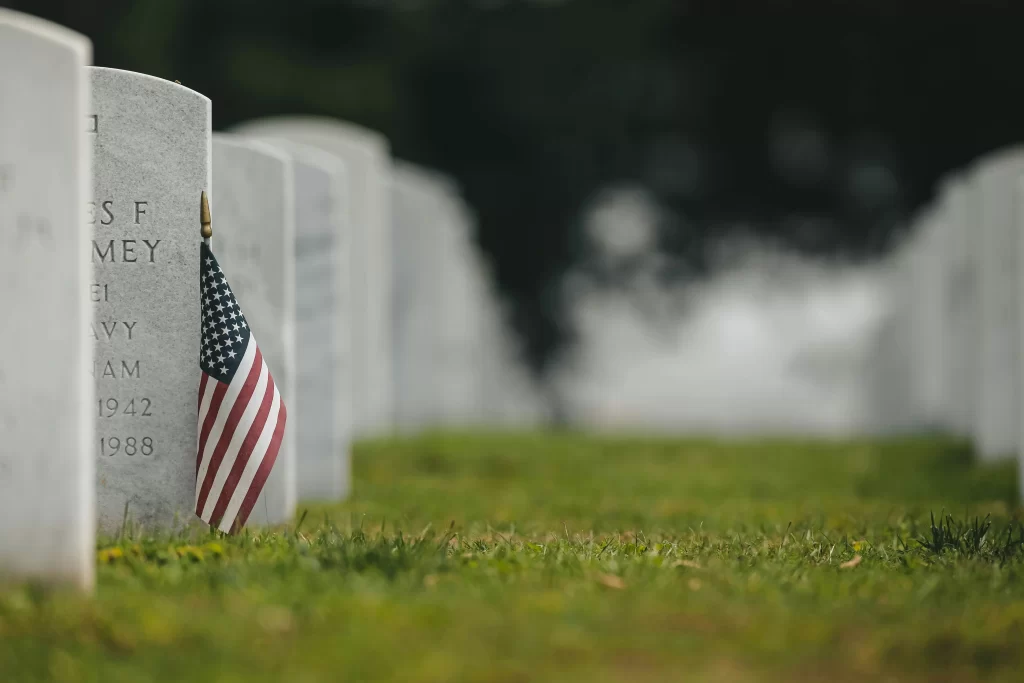
Every year, as May comes to a close, Americans prepare for the long Memorial Day weekend. To some, it marks the unofficial start of summer—filled with cookouts, road trips, and retail sales. But for millions of others, Memorial Day is a solemn reminder of the true cost of freedom. It is a day not for celebration, but for commemoration. A day to pause, reflect, and honor the men and women who gave their lives in military service to the United States of America. In this article, we take a deeper look into the true meaning of Memorial Day, explore its origins, examine how it is observed today, and highlight the importance of remembering those who have made the ultimate sacrifice. We will also explore how institutions like DSDT College support military families and veterans through education and empowerment—ensuring that the legacy of our fallen heroes continues to inspire generations. Understanding the Origins of Memorial Day From Decoration Day to Memorial Day Memorial Day began as Decoration Day following the Civil War, a conflict that claimed more American lives than any other war in the nation’s history. The name originated from the act of decorating the graves of fallen soldiers with flowers, flags, and wreaths. The first widely recognized observance took place on May 30, 1868, when General John A. Logan of the Grand Army of the Republic called for a national day of remembrance. Thousands gathered at Arlington National Cemetery, placing flowers on the graves of both Union and Confederate soldiers. Over time, the observance evolved and expanded to honor American military personnel who died in all wars, including World War I, World War II, the Korean War, the Vietnam War, the Gulf War, and the post-9/11 conflicts in Iraq and Afghanistan. In 1971, Memorial Day was officially declared a federal holiday, observed on the last Monday of May. The Purpose of Memorial Day Memorial Day is more than just a national holiday—it is a sacred obligation. It is our collective duty to remember and honor those who laid down their lives in service to our nation. While Veterans Day celebrates all who have served, Memorial Day is uniquely reserved for those who died in uniform, never returning to their families, homes, or futures. Each name etched on a gravestone or memorial represents: The significance of Memorial Day lies in recognizing the price of liberty. Freedom isn’t free—it has been bought and paid for by the courage, sacrifice, and blood of patriots. How We Observe Memorial Day Today While traditions vary across the country, there are several key observances and customs that highlight the true meaning of Memorial Day: 1. Visiting Cemeteries and Memorials Families and citizens visit national cemeteries, such as Arlington National Cemetery or local veterans’ burial grounds, to place flags and flowers. It’s a moment of quiet reverence to honor the fallen. 2. National Moment of Remembrance At 3:00 p.m. local time, Americans are encouraged to pause for one minute of silence to remember and honor the fallen. 3. Displaying the American Flag The flag is flown at half-staff from sunrise until noon, then raised briskly to full-staff until sunset—a powerful symbol of mourning and resilience. 4. Memorial Day Ceremonies and Parades Communities across the U.S. hold parades, memorial ceremonies, and re-enactments to educate the public and provide space for reflection. 5. Reading the Names of the Fallen Some memorials hold name-reading ceremonies, especially for those lost in recent conflicts, allowing their legacies to live on through remembrance. Why Memorial Day Still Matters In a fast-paced, digitally-driven world, it can be easy to forget the stories behind the freedoms we enjoy. Memorial Day offers a powerful reminder that: It’s also a time to recognize the gold star families—the parents, spouses, and children who continue to carry the weight of loss every single day. For them, Memorial Day isn’t a holiday; it’s a personal day of grief, remembrance, and pride. Stories of Sacrifice: Remembering Our Heroes Behind every headstone is a name. Behind every name is a story. Pat Tillman An NFL star who left behind a multimillion-dollar career to enlist in the Army after 9/11. He was killed in action in Afghanistan in 2004 and is remembered as a symbol of courage and selflessness. Lance Corporal Kyle Carpenter Though he survived, his story reminds us of those who didn’t. He threw himself on a grenade to save a fellow Marine, later receiving the Medal of Honor. His experience honors those who made the ultimate sacrifice doing the same. Gold Star Families Each gold star represents a family who has lost a loved one in service. Organizations around the country support these families with scholarships, grief counseling, and remembrance initiatives. Their stories teach us that the freedom to speak, learn, worship, and live in safety is not guaranteed—it has been earned. Memorial Day and the Power of Education While Memorial Day is a time of mourning, it is also a time of legacy. One of the most powerful ways to honor fallen heroes is by supporting the loved ones they left behind—especially through education. Institutions like DSDT College play a crucial role in carrying out that legacy by providing: By empowering military families, spouses, and veterans through education, we ensure that the sacrifices made by their loved ones are never in vain. ➡️ Learn more about how DSDT supports military families: dsdt.edu/financial-aid/military-benefits Military Education Benefits That Honor Sacrifice Many of the education benefits offered today were created to recognize the contributions and sacrifices of U.S. service members. These include: 1. The GI Bill® Provides tuition, housing, and books for veterans pursuing higher education or technical training. 2. The Yellow Ribbon Program Covers tuition expenses that exceed GI Bill® limits for private or out-of-state schools. 3. Chapter 31: Veteran Readiness and Employment (VR&E) Offers tuition support and career planning for veterans with service-connected disabilities. 4. MyCAA Program Tuition assistance for spouses of active-duty service members, helping them pursue portable careers. These programs allow families to rebuild their lives,
Military School Scholarships and Tuition Assistance Programs Explained
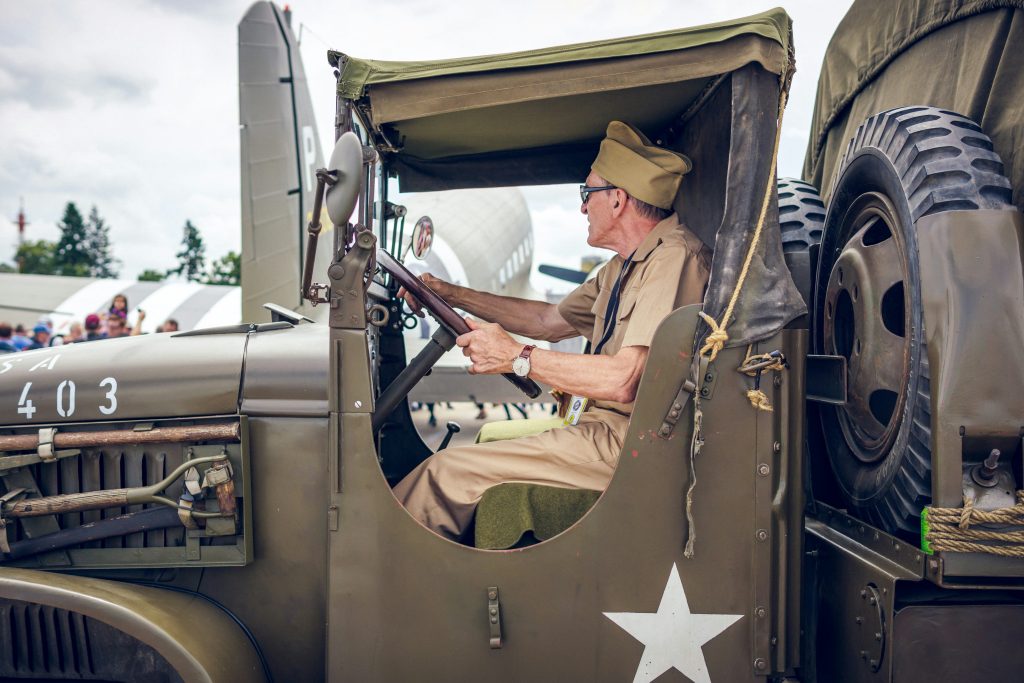
Pursuing an education after military service—or while actively serving—can be one of the most impactful decisions you make for your future. However, the cost of tuition, books, and living expenses often becomes a major concern for service members, veterans, and their families. Fortunately, there are robust financial aid options available, including military school scholarships and tuition assistance programs, specifically designed to make quality education more accessible for the military community. In this comprehensive guide, we will explore everything you need to know about scholarships and financial aid options for military students, including: Whether you’re an active-duty service member, veteran, military spouse, or dependent, this article will help you navigate the complex world of education funding so you can confidently take your next step toward academic and career success. Why Financial Aid Matters for Military Students Military-affiliated students often face unique educational barriers: Scholarships and tuition assistance programs not only ease the financial burden but also provide a clear path to upskilling, reskilling, and earning credentials that improve job prospects post-service. More importantly, military-friendly institutions like DSDT College recognize these challenges and actively support students by helping them access available funding and offering flexible, career-focused programs. ➡️ Learn how DSDT supports military students Types of Military School Scholarships There are many scholarships created specifically for military students, veterans, and their families. These can be offered by: 1. Scholarships for Active-Duty Service Members Some scholarships are offered directly through the military or partner organizations to support enlisted members while they study part-time. Examples: These programs often cover tuition, books, and living expenses while allowing flexibility for distance learning or evening classes. 2. Scholarships for Veterans Many private organizations offer merit- and need-based scholarships to veterans who are transitioning into civilian education. Notable examples: These programs often require proof of honorable discharge and a personal essay detailing career aspirations. 3. Scholarships for Military Spouses Military spouses face significant challenges in maintaining educational continuity due to frequent relocations. Fortunately, there are dedicated scholarships: These help military spouses gain certifications, degrees, or technical skills for portable careers. 4. Scholarships for Military Children and Dependents Military children also benefit from various scholarships aimed at supporting their pursuit of higher education: These scholarships typically consider academic performance, community involvement, and family military service. Federal Tuition Assistance Programs for Military Students In addition to scholarships, active-duty service members may qualify for Federal Tuition Assistance (FTA) programs offered by their respective military branches. 1. Army Tuition Assistance (Army TA) 2. Navy Tuition Assistance 3. Air Force Tuition Assistance 4. Marine Corps Tuition Assistance These programs can be combined with scholarships or VA benefits, maximizing the financial support available. The GI Bill®: Education Benefits for Veterans The Post-9/11 GI Bill® is one of the most well-known military education benefits, offering substantial support to veterans pursuing higher education or vocational training. What It Covers: Eligibility: GI Bill® Transfer Option: Service members may be able to transfer unused GI Bill® benefits to a spouse or dependent, making this one of the most powerful tools for military families. DSDT College supports GI Bill® benefits for veterans and offers career-driven programs in tech, digital marketing, medical assisting, and more. ➡️ Explore how you can use your GI Bill® at DSDT Chapter 31: Veteran Readiness and Employment (VR&E) Chapter 31, or the Veteran Readiness and Employment program, provides education and career training services for veterans with service-connected disabilities. Key Features: This program is particularly helpful for veterans with medical conditions or limitations, as it includes personalized plans to achieve long-term employment or independent living. 📘 Read our detailed guide on Chapter 31 here. State-Based Tuition Assistance and Waivers In addition to federal support, many states offer tuition waivers or scholarships for residents with military backgrounds. For example: Texas Hazlewood Act These programs vary by state, so it’s essential to check your state’s veterans affairs department for additional options. How DSDT College Supports Military Students DSDT College has a strong commitment to military and veteran students. Here’s how we help: ✅ Military-Friendly Programs ✅ Dedicated Military Support Team ✅ No GPA or SAT Requirements ✅ Scholarship Assistance ➡️ Start your application today Tips for Applying to Military Scholarships and Tuition Assistance Programs Navigating scholarships and tuition assistance can be overwhelming, but these tips will help simplify the process: 1. Gather Your Documents Early Most scholarships and military programs require: 2. Apply for FAFSA Even if you’re using GI Bill® or military aid, submit a Free Application for Federal Student Aid (FAFSA). Some scholarships and state programs require it to determine need-based eligibility. 3. Meet Deadlines Many scholarships and assistance programs have strict deadlines. Set calendar reminders and apply early. 4. Check for Overlapping Benefits Some programs can be combined (e.g., GI Bill® + scholarships), while others may not be stackable. Talk to your school’s military support office to maximize your funding. 5. Talk to a Military Education Advisor Your education service officer (ESO) or VA counselor can help you identify which programs you qualify for and assist with the application process. Frequently Asked Questions (FAQs) Q: Can I use multiple forms of financial aid together? Yes! You can often combine VA education benefits, federal aid, state programs, and private scholarships—as long as the combined amount doesn’t exceed your total cost of attendance. Q: Does military tuition assistance cover all schools? Most accredited colleges—including DSDT College—accept tuition assistance. Always confirm with your military branch or the school’s admissions office. Q: Are there education benefits for National Guard and Reservists? Yes. Members of the Guard and Reserve may qualify for Federal Tuition Assistance, GI Bill® benefits, and state-based programs depending on their service length and duty status. Q: How do I find scholarships I’m eligible for? Search databases like: Conclusion: You’ve Served—Now Let Education Serve You As a military service member, veteran, or family member, you’ve already shown extraordinary dedication. Now it’s time to invest in yourself. With dozens of scholarships and tuition assistance programs tailored to your service, your path to a rewarding civilian career is
Veteran Readiness and Employment (Chapter 31): Your Education Benefits Explained
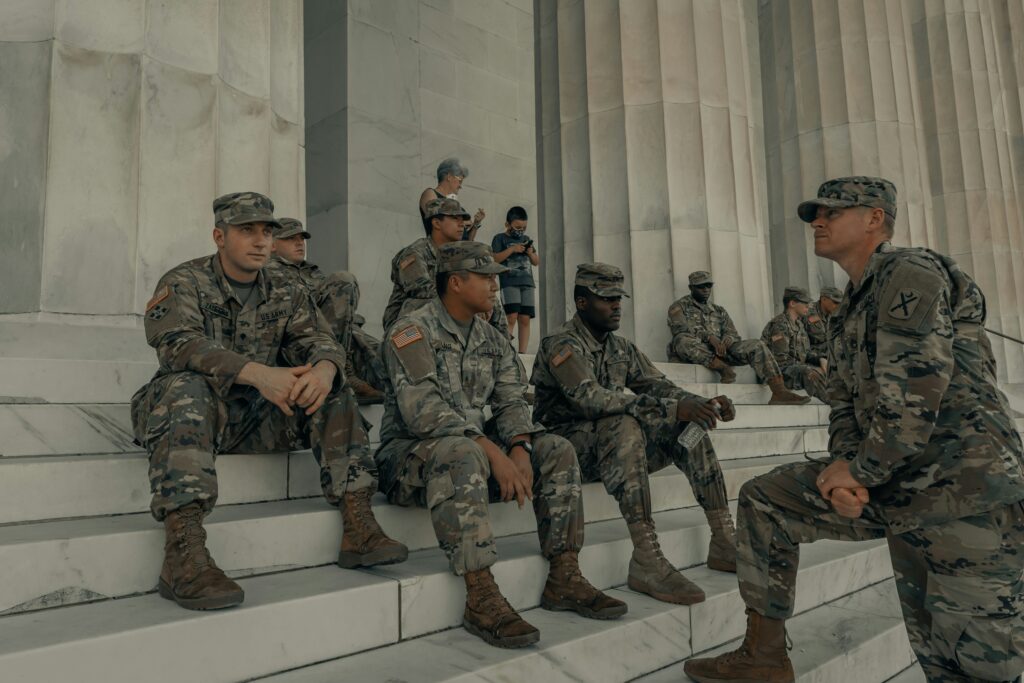
Introduction: The Transition from Service to Civilian Success The journey from military service to civilian life is filled with opportunities—and challenges. One of the most valuable tools veterans can access during this transition is the Veteran Readiness and Employment (VR&E) program, also known as Chapter 31 benefits. Administered by the U.S. Department of Veterans Affairs (VA), Chapter 31 provides critical services, training, and education benefits that empower veterans with service-connected disabilities to prepare for, find, and maintain suitable employment or achieve independent living goals. If you’re a veteran exploring post-service career training or higher education options, understanding the full scope of what Chapter 31 offers can be a game-changer. In this article, we break down everything you need to know about the VR&E program—from eligibility requirements and covered services to how you can apply through military-friendly institutions like DSDT College. What Is Chapter 31: Veteran Readiness and Employment (VR&E)? Chapter 31 VR&E is a vocational rehabilitation and employment program designed for veterans with service-connected disabilities. The primary objective is to assist veterans in achieving career goals that match their skills, interests, and medical limitations. These services are personalized and may include: Chapter 31 is not limited to traditional degree paths—it also supports veterans who want to explore trade schools, technical certifications, or entrepreneurial ventures, making it an incredibly flexible and valuable benefit. Who Is Eligible for Chapter 31 VR&E Benefits? To qualify for VR&E benefits under Chapter 31, veterans must meet the following basic criteria: Eligible veterans typically have 12 years from the date of separation from active military service or the date they were first notified of a qualifying service-connected disability rating—whichever comes. What Education and Career Services Does Chapter 31 Cover? Chapter 31 is more than just financial aid. It provides comprehensive support tailored to each veteran’s career journey. The specific services may include: 1. Education and Training Veterans can pursue: Chapter 31 pays for: 2. Career Counseling VRCs provide professional guidance, helping veterans select a career path aligned with their physical abilities and professional goals. This includes: 3. Job Placement and Support Chapter 31 participants can access: 4. Independent Living Services For veterans with severe disabilities who cannot currently work, VR&E offers: How Does Chapter 31 Compare to the Post-9/11 GI Bill®? While both programs offer education support, there are key differences: Feature Chapter 31 (VR&E) Post-9/11 GI Bill® Target Group Veterans with service-connected disabilities Veterans with qualifying active duty service Covers Tuition Full tuition and fees Tuition capped at in-state public school rate Housing Allowance Monthly subsistence allowance (MSA) Monthly housing allowance (MHA) Additional Support Career counseling, job placement, assistive tech Education-focused only Vocational Services Yes No Veterans who qualify for both often choose Chapter 31 because of the expanded services and financial support, particularly when they require accommodations or additional career assistance. Why Choose a Military-Friendly School Like DSDT College? Choosing the right school makes all the difference in your transition. DSDT College is proud to be a military-friendly institution, offering programs aligned with Chapter 31 benefits and committed to supporting veterans every step of the way. Here’s how DSDT supports VR&E students: ➡ Learn more about our Military Benefits at DSDT ➡ Apply today and start your new mission How to Apply for Chapter 31 Benefits The process of applying for Chapter 31 benefits includes several important steps. Here’s how to get started: Step 1: Apply for VR&E Services Submit VA Form 28-1900 (Disabled Veterans Application for Vocational Rehabilitation) through the VA.gov website or in person at a VA regional office. Step 2: Attend an Evaluation with a VRC Once your application is reviewed, you’ll be assigned a Vocational Rehabilitation Counselor who will: Step 3: Choose a Training Program If training is part of your rehabilitation plan, your VRC will help you find a program that fits—including options like DSDT College. Step 4: Receive Funding and Begin Training Once your plan is approved: How Much Is the Monthly Subsistence Allowance (MSA)? MSA rates vary depending on: As of 2025, the monthly MSA can range from $700 to over $1,800, with additional allowances for dependents. Veterans in higher-cost areas or enrolled in full-time in-person programs generally receive higher stipends. Note: If you are using your Post-9/11 GI Bill® entitlement with VR&E, you may be eligible for BAH-level housing payments instead of standard MSA. Common Career Paths Supported by Chapter 31 at DSDT College Here are some of the high-demand career fields DSDT College offers training for—fully compatible with VR&E support: 1. Cybersecurity Analyst 2. AI and Machine Learning Specialist 3. Digital Marketing Professional 4. Medical Assistant 5. Full Stack Developer Real Impact: How Chapter 31 Changed Lives Thousands of veterans have used VR&E benefits to gain the skills and confidence they needed to thrive in the civilian workforce. Whether it’s a Marine veteran launching a career in cybersecurity or an Army medic transitioning into a healthcare role, Chapter 31 creates the bridge between service and success. At DSDT College, we’ve seen firsthand how veterans transform their futures through education and job readiness. Many of our graduates not only complete their programs but go on to serve their communities and mentor fellow vets. Why Act Now? The Time Limit on Chapter 31 Benefits Don’t wait to explore your Chapter 31 options. The 12-year window for eligibility starts from the later of: If you’re already nearing that window or unsure about your eligibility, reach out today to start the conversation. Education is one of the most powerful tools for reintegration—and Chapter 31 can help you wield it with confidence. Conclusion: Your Next Mission Starts with You Your military service was a mission of purpose. Now, the mission is your future. With Veteran Readiness and Employment (Chapter 31) benefits, you’re not just accessing funding—you’re gaining a personalized support system to help you thrive in the civilian workforce. Whether you’re looking to retrain, upskill, or start a new path entirely, institutions like DSDT College are ready to help you reach your goals with military-friendly programs, flexible schedules, and
Why Military Spouses Deserve More Recognition—and How You Can Help
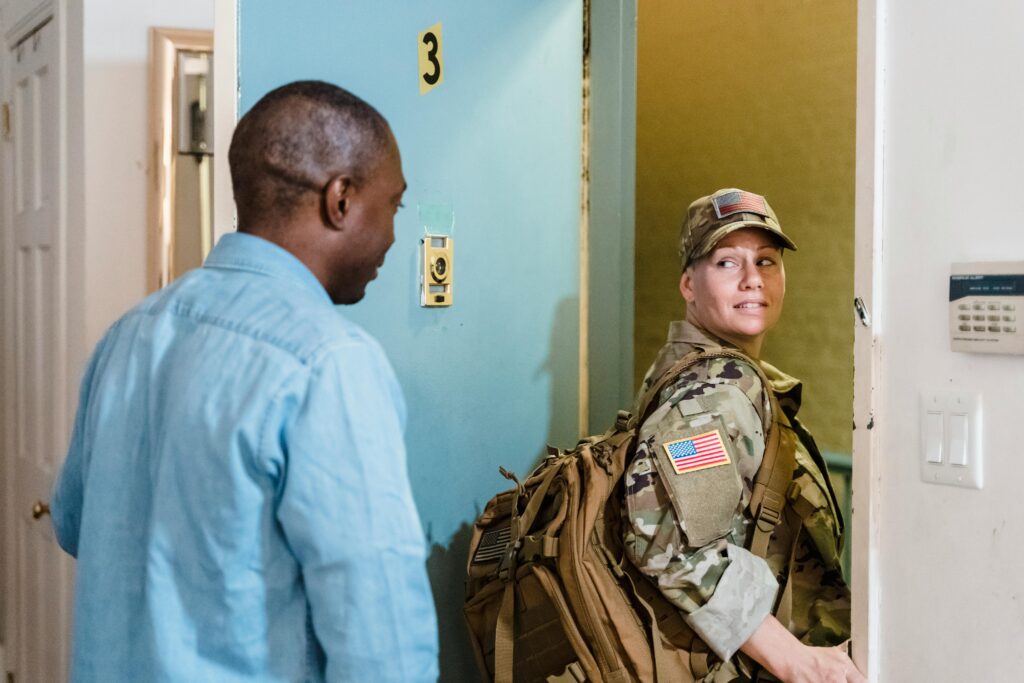
When we celebrate our military heroes, we often picture those in uniform—standing tall, deploying overseas, defending freedom. But behind every service member is someone holding down the home front, juggling responsibilities, enduring uncertainty, and sacrificing just as much: the military spouse. Military spouses are the silent strength of our nation’s defense. They are caretakers, parents, workers, students, and emotional anchors. Their dedication, resilience, and adaptability often go unacknowledged in the larger conversation about military service. It’s time we change that. In this article, we’ll explore why military spouses deserve more recognition, the real-life challenges they face, and most importantly, how you can help—from community involvement to educational support through institutions like DSDT. The Unseen Backbone of Military Life Military spouses serve in a different—but equally vital—way. While their partners are deployed or fulfilling their duties, spouses manage daily life: paying bills, raising children, maintaining homes, navigating PCS (Permanent Change of Station) moves, and providing unwavering emotional support. According to the Department of Defense: Yet, despite their integral role, military spouses often feel overlooked, especially when it comes to employment opportunities, educational access, and community support. The Challenges Military Spouses Face 1. Career Instability Due to frequent relocations, military spouses often face interrupted employment, difficulty transferring credentials between states, and gaps in work history. According to a U.S. Chamber of Commerce report, military spouses face unemployment rates of 22–24%, significantly higher than the national average. 2. Education Disruption Many spouses begin a degree or certification program only to pause or restart due to relocation or family obligations. Traditional schools often lack the flexibility military families require. 3. Solo Parenting Deployments can last six months or more, leaving spouses to parent alone. This includes everything from school drop-offs and doctor appointments to emotional counseling and financial management. 4. Mental and Emotional Strain Worrying about a deployed partner, managing change, and facing isolation in new communities takes a toll on mental health. Many military spouses report feeling unsupported or forgotten, especially when stationed far from extended family. 5. Financial Stress With one income frequently disrupted or reduced due to career barriers, many military families live on tight budgets—despite public assumptions that military life is financially stable. Why Military Spouses Deserve More Recognition ➤ They Serve Too While they may not be enlisted, military spouses serve in a civilian capacity that’s equally demanding. Their sacrifices ensure the readiness and focus of the military force. Without their support, our service members couldn’t do their jobs. ➤ They Demonstrate Unmatched Resilience From moving across the country on short notice to making new friends in unfamiliar places, military spouses constantly adapt. They persevere through change, loneliness, and challenge—with strength and grace. ➤ They Put Their Dreams on Hold Military spouses often delay education, careers, and personal goals to support their partner’s service. This selflessness deserves acknowledgment—and support to reclaim those dreams. ➤ They Raise the Next Generation Military children face emotional and social challenges unique to their lifestyle. Spouses are often the glue holding the family together during tough times—mentoring, nurturing, and building strong, capable future citizens. How You Can Help: Practical Ways to Uplift Military Spouses Recognition is not just about appreciation—it’s about action. Here are tangible ways you can support the military spouses in your community, workplace, and beyond. 1. Support Flexible and Military-Friendly Education Education is a lifeline for many military spouses, allowing them to build portable careers and reclaim personal goals. But traditional schools often don’t cater to their mobile lifestyles. That’s where DSDT comes in. 🎓 Why Military Spouses Choose DSDT: DSDT is committed to helping military spouses pursue real-world training that leads to real opportunities—on their terms, on their schedule. 💻 Explore educational benefits and programs at DSDT Military Benefits. 2. Hire Military Spouses—and Be Flexible If you’re an employer, consider: Organizations like Hiring Our Heroes and Military Spouse Employment Partnership (MSEP) offer great tools to connect with qualified military spouses. 3. Use Your Voice to Advocate Support policy changes that help military spouses by: Grassroots advocacy and local engagement can lead to lasting change. 4. Offer Childcare Support Military spouses often struggle to find affordable childcare, especially when parenting solo during deployments. If you can: Even a few hours of help can make a big difference in a spouse’s week. 5. Create Community Connections Isolation is common in military life. Welcome military spouses into your circles by: A strong community is one of the most valuable gifts we can offer. 6. Celebrate Their Successes Take time to recognize and celebrate the accomplishments of military spouses, no matter how small they may seem. Whether it’s completing a degree, starting a new job, or simply surviving a difficult deployment, affirm their efforts. Post their stories, nominate them for awards, share their businesses, and cheer them on. 📝 Know a military spouse ready to achieve more? Share DSDT’s application link and help them start their journey. Empowering Dreams Through Career-Focused Programs DSDT’s career-driven programs are designed to meet the needs of military spouses who want flexibility, practical skills, and fast results. 🔧 Career Fields Offered at DSDT Include: All programs can be completed remotely, with real-world training and job support to help military spouses create careers that move with them. Real Stories, Real Impact ✨ Maria – Marine Spouse and DSDT Graduate “I started at DSDT while my husband was deployed. I was homeschooling two kids, managing the household alone, and still earned my diploma in digital marketing. DSDT gave me the tools—and the confidence—to build a freelance business I can take anywhere.” ✨ James – Army Spouse and Healthcare Student “We’ve moved five times in ten years. I kept putting my career on hold—until DSDT. I finished my certification online and now work part-time as a medical assistant. I feel like I finally have something that’s mine.” Why This Recognition Matters—Now More Than Ever Military families are experiencing increasing stress and uncertainty—from extended deployments to housing shortages and mental health concerns. And military spouses continue to carry a disproportionate burden with
Supporting Those Who Support Our Troops: Resources for Military Spouses

Behind every brave man or woman in uniform stands a partner who holds down the home front, manages family life, and faces the emotional and practical challenges of military life with quiet resilience. Military spouses are often the unsung heroes of the armed forces—offering unwavering support through frequent moves, long deployments, and constant change. Yet, despite their crucial role, their needs are too often overlooked. From maintaining careers and managing solo parenting to pursuing higher education and maintaining mental wellness, military spouses face a unique set of challenges. Fortunately, a growing number of resources and organizations are dedicated to supporting them in tangible, empowering ways. This article explores the essential educational, career, financial, mental health, and community resources available for military spouses—and how institutions like DSDT are playing a pivotal role in helping spouses turn their sacrifices into strength and self-fulfillment. Understanding the Life of a Military Spouse Military spouses live in a world shaped by unpredictability. They often uproot their lives every few years, adapt to new communities, and raise children while their partners serve overseas or in dangerous situations. According to the Department of Defense, more than 90% of military spouses are women, although the number of male spouses is growing. Regardless of gender, military spouses all share the burden of sacrifice and deserve robust systems of support. Key Challenges They Face: While these challenges are daunting, military spouses have shown again and again that with the right resources, support, and opportunities, they can achieve great things. 1. Educational Resources for Military Spouses One of the most powerful ways to support military spouses is through accessible, flexible, and affordable education. Earning a degree or certification can lead to portable, high-demand careers that travel with them across duty stations. 🏫 DSDT: A Military-Friendly Institution DSDT (Digital School of Design and Technology) offers a wide range of career-focused training programs specifically tailored for military spouses and veterans. Why Military Spouses Choose DSDT: 🎓 Explore military tuition assistance and program options at DSDT Military Benefits. 🎖️ MyCAA (My Career Advancement Account) This Department of Defense scholarship offers up to $4,000 in financial assistance to eligible military spouses pursuing licenses, certifications, or associate degrees. 📚 Military Spouse Career Advancement at DSDT At DSDT, military spouses can apply MyCAA funding toward their education, and advisors are available to help guide applicants through the process. DSDT’s staff also assists with understanding GI Bill® transfers and other VA education benefits. 📝 Take the next step toward your dream career. Apply now at DSDT. 2. Career and Employment Resources Career continuity is one of the biggest challenges for military spouses, who often face unemployment or underemployment. However, many programs and organizations exist to help them find meaningful, portable careers. 💼 Military Spouse Employment Partnership (MSEP) Run by the Department of Defense, MSEP connects military spouses with over 500 partner employers committed to hiring and retaining military spouse talent. 🧑💼 Hiring Our Heroes – Military Spouse Program This program offers career preparation, networking opportunities, and hiring events focused on creating pathways to employment for military spouses. 👩💻 Remote and Freelance Opportunities Many military spouses turn to freelancing, consulting, and remote work for flexibility. Platforms like Upwork, Fiverr, and FlexJobs are valuable for those with skills in writing, marketing, IT, design, and more. Training through schools like DSDT can prepare spouses for remote-friendly roles in tech, marketing, administration, and digital content creation. 3. Financial Resources and Benefits Managing finances on a single income—often interrupted or limited by military life—can be stressful. Financial planning and access to benefits are critical. 💰 Military OneSource Financial Counseling Offers free financial planning and counseling for military families, including: Website: https://www.militaryonesource.mil 💳 VA Education Benefits for Spouses Eligible spouses may qualify for Chapter 35 (Survivors and Dependents Education Assistance) or Post-9/11 GI Bill® transfers, which cover: DSDT’s team can help families navigate these benefits. 🎓 Start your educational journey with help from DSDT Military Benefits. 4. Mental Health and Emotional Support Mental health is a critical component of supporting military spouses. Loneliness, isolation, and anxiety are common during long deployments or while living far from family and friends. 🧠 Resources for Mental Wellness Military Family Life Counselors (MFLCs) Available on most military installations, MFLCs provide confidential, short-term counseling services for spouses and children. Military OneSource – Confidential Counseling Phone: 1-800-342-9647Website: https://www.militaryonesource.mil 🧘♀️ Wellness Apps and Online Resources 5. Community and Peer Support Connection is vital. Military spouses often need support systems that understand the lifestyle and its challenges. 🤝 Military Spouse Facebook Groups and Forums Thousands of local and national groups provide advice, recommendations, friendship, and emotional support. Topics range from parenting and relocation to career and education. Popular groups: 🏡 Installation Family Support Centers Nearly every base has a Family Support Center offering: Check your local base directory for services. 6. Childcare and Parenting Support For spouses with young children, managing parenting alone can be exhausting, especially during deployments. 📚 DSDT’s Flexibility for Parents With asynchronous courses and self-paced options, DSDT empowers military spouses to study while parenting, even during deployments. 🍼 Balance family and career goals — Apply now and start when you’re ready. 7. Transition Resources for Spouses and Families When a service member transitions out of the military, the entire family undergoes change. Resources for this period are essential for creating a successful civilian life. 🪖 VA Transition Assistance Program (TAP) Includes specific modules for spouses and helps with: 📘 DSDT’s Career Training for Transitioning Families Whether your spouse is still serving or recently transitioned, DSDT programs help military families build lasting careers through marketable certifications. Final Thoughts: Empowering Those Who Empower Our Troops Military spouses are much more than silent supporters. They are resilient leaders, resourceful parents, adaptable professionals, and lifelong learners. Their strength fuels our armed forces—and they deserve support systems that empower them to thrive, not just survive. From education and career training to mental health support and financial resources, there are more opportunities than ever for military spouses to pursue their goals. At DSDT,
Balancing Duty and Dreams: Military Spouses in Education and Career
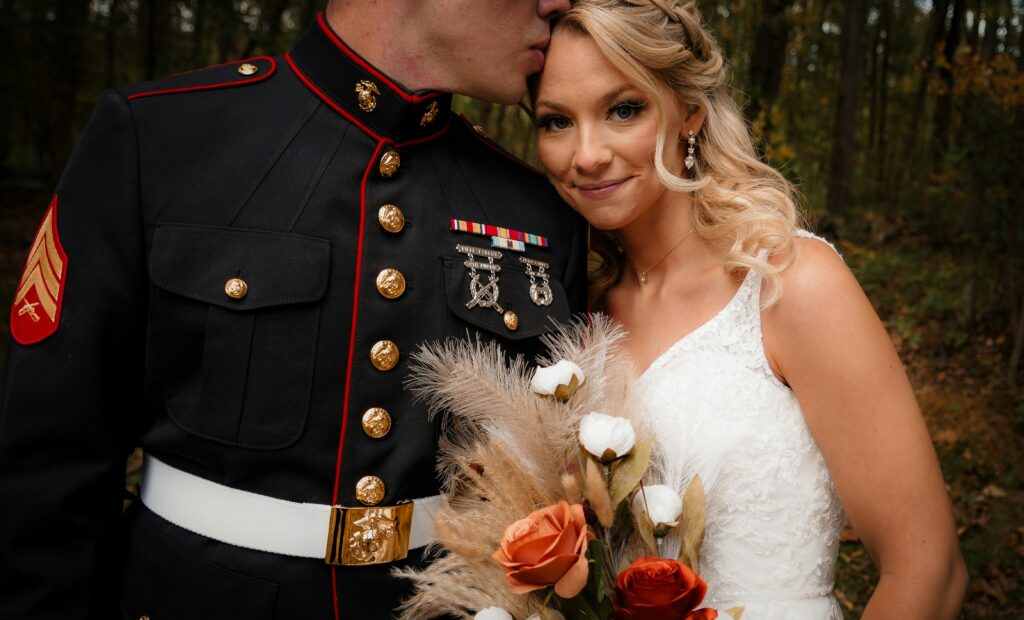
Military spouses are the invisible backbone of the armed forces—adaptable, resilient, and selfless. While their partners wear the uniform and answer the call of duty, these spouses often carry the weight of the household, parenting, and emotional support during deployments and relocations. But many military spouses don’t just support; they also aspire. They dream of building careers, earning degrees, and developing identities outside of military life. Balancing duty and dreams, however, is no easy task. Juggling the unpredictable demands of military life while pursuing education and career goals requires immense determination and support. In this article, we’ll explore the realities military spouses face, how they’re overcoming obstacles to achieve their professional aspirations, and how institutions like DSDT are championing their journeys with flexible, military-friendly education programs. The Life of a Military Spouse: Unique Challenges and Hidden Strengths To understand the educational and career pursuits of military spouses, we first need to understand their lifestyle—one filled with transitions, sacrifices, and a constant balancing act. Common Challenges: Despite these challenges, military spouses continue to rise above, redefining what it means to be strong, smart, and driven. Dreams That Don’t Wait Military spouses have dreams that extend beyond the base gates. They want to become nurses, teachers, IT professionals, entrepreneurs, marketers, project managers, and healthcare workers. And while the military may dictate where they live or when they move, it doesn’t define their potential. With the rise of online learning and career-focused certification programs, more military spouses are stepping into their dreams—even amid the chaos of service life. The Role of Education in Empowering Military Spouses Education is more than a degree—it’s a path to independence, empowerment, and purpose. For military spouses, education: However, education must be accessible, flexible, and tailored to the military lifestyle. That’s where DSDT comes in. DSDT: Where Military Spouses Learn Without Limits DSDT (Digital School of Design and Technology) is a proud advocate for military spouses. With programs designed to fit their dynamic lives, DSDT offers: From cybersecurity and healthcare to business technology and digital marketing, DSDT’s programs are built for real-world results and offer careers that travel. 🎓 Explore benefits and support options at DSDT Military Benefits. Career Paths That Fit the Military Lifestyle 1. Digital Marketing Military spouses can study SEO, social media strategy, email marketing, and content creation—all skills that translate into remote, freelance, or agency work. 2. Healthcare Becoming a Medical Assistant or earning certifications in healthcare administration provides portable, high-demand job opportunities available in nearly every city. 3. Cybersecurity & IT With CompTIA A+, Network+, Security+, and other IT certifications, spouses can enter one of the fastest-growing, remote-friendly industries. 4. Business Technology A diploma or certificate in Business Information Technology opens doors to admin roles, office management, and customer support—all roles with broad geographic demand. 5. AI Prompt Engineering & Machine Learning As the tech world rapidly evolves, DSDT trains spouses in the AI and machine learning space, preparing them for the future of work. 📝 Ready to take control of your career? Apply now at DSDT and begin your journey. Real Stories, Real Success Lina – Army Spouse, Digital Marketing Grad “Every PCS felt like a restart—new home, new school for the kids, and career on pause again. I found DSDT while stationed in Texas. I earned my certificate in digital marketing remotely, and now I run a freelance social media business. It moves with me—and that’s life-changing.” Aaron – Navy Spouse, CompTIA Certified “My wife’s deployment was the toughest time of our lives, but I used that time to focus on my own goals. I enrolled at DSDT, got certified in A+ and Security+, and landed a remote IT help desk role. For the first time, I feel like I have a career of my own.” Building a Supportive Learning Environment DSDT’s approach goes beyond academics. We believe in supporting the whole person—especially those navigating military life. Our team includes veterans, military spouses, and career advisors who understand your world and are here to guide you. Our Support Services Include: We know that balancing duty and dreams is tough. At DSDT, you don’t have to do it alone. Why Flexibility Matters Time zones, deployments, school pickups, and household responsibilities don’t fit neatly into a 9–5 schedule. That’s why DSDT’s programs are designed with maximum flexibility. We adapt to your schedule, not the other way around. Military Spouses and Employment: The Bigger Picture Unemployment and underemployment are long-standing issues among military spouses. According to the Department of Defense, military spouse unemployment often hovers around 20%, compared to the national average of about 3–4%. Many highly qualified spouses find themselves sidelined because of geographic instability or lack of employer understanding. How Education Solves This: By investing in education, military spouses not only overcome employment barriers—they build lifelong careers. Community and Connection Through Learning Isolation is a frequent challenge in military life. Educational environments can foster connection, community, and empowerment. At DSDT, spouses find: When you learn alongside others who “get it,” you’re not just building knowledge—you’re building confidence and friendship. Taking the First Step: It’s Never Too Late Many military spouses wait years to prioritize themselves. They put everyone else first—children, service members, the mission. But your dreams are worth pursuing too. Whether you’ve never attended college, haven’t studied in decades, or are switching careers altogether—now is your time. ✨ Start your journey with DSDT. Apply today and take the first step toward your future. How Employers, Educators, and Communities Can Help Supporting military spouses means more than appreciation. It requires action. Here’s how others can help: When society supports military spouses, we support national readiness, family stability, and a stronger workforce. Conclusion: Dreams Deferred Are Dreams Worth Fighting For Military spouses are masters of adaptation. They endure loneliness, upheaval, and career obstacles with grace. But they also harbor dreams—dreams of purpose, achievement, and financial independence. And now, with schools like DSDT offering flexible, empowering education, those dreams are within reach. Whether you’re aiming for your first certification or planning a complete
Behind Every Uniform: Honoring the Resilience of Military Families
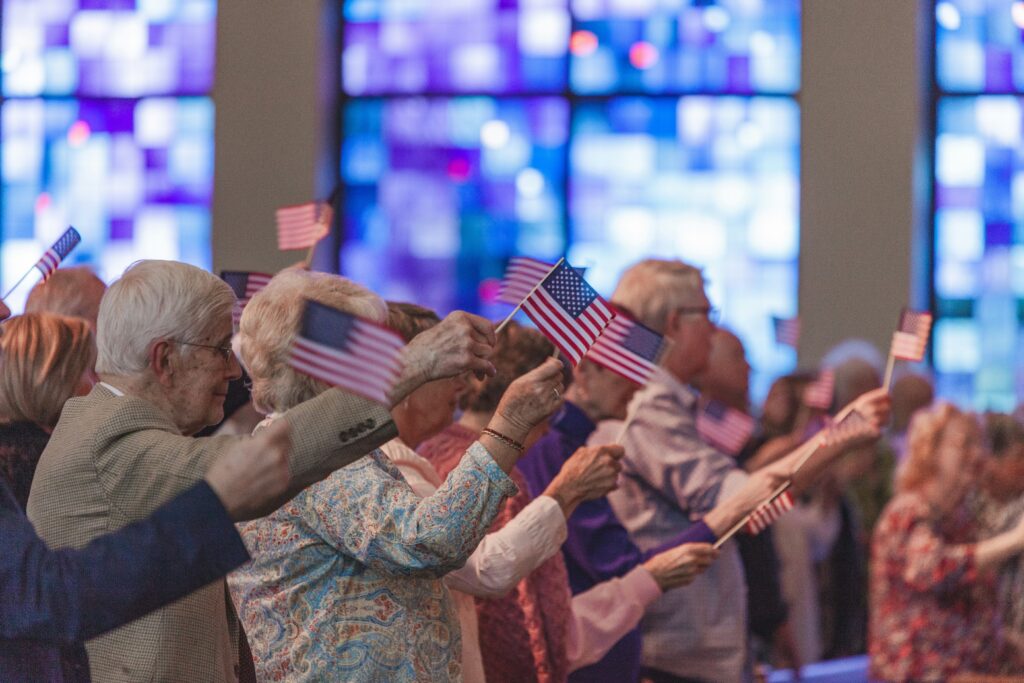
When we see a service member in uniform, we often picture courage, sacrifice, and duty. But behind every uniform is a family that serves too—a spouse who holds everything together through deployments, children who grow up in a world of change, and parents who worry but stand proud. Military families are the silent force behind the nation’s defense, demonstrating remarkable resilience, adaptability, and heart. They endure frequent moves, long separations, and emotional uncertainty with grace. Yet their strength is rarely spotlighted. This article explores the incredible resilience of military families, the challenges they face, and how institutions like DSDT are empowering them through education, opportunity, and unwavering support. The Backbone of the Military: Families Who Serve Too While the active-duty service member may be the one in uniform, the entire family is enlisted into a life of unpredictability and sacrifice. Military families are expected to adapt at a moment’s notice, relocate frequently, and cope with the emotional toll of their loved one’s deployments—all while building stable, fulfilling lives. These families are the unsung heroes of national service. They don’t wear medals or rank insignia, but they embody strength, loyalty, and resilience in ways the world doesn’t always see. The Common Challenges Military Families Face Behind the smiles and homecoming signs are real, persistent struggles. From financial strain to emotional stress, military families confront a unique set of challenges. 1. Frequent Relocation Military families move, on average, every 2–3 years. This disrupts careers, children’s education, healthcare continuity, and social support systems. Each relocation requires starting from scratch—finding a new home, school, doctors, jobs, and friends. 2. Deployment and Separation Deployments can last six months to over a year. During this time, families are separated, often with minimal communication. Spouses become solo parents, children miss milestones with their deployed parent, and anxiety becomes a constant companion. 3. Career and Educational Disruption Spouses often sacrifice their own professional and academic ambitions. Moving state-to-state (or country-to-country) presents licensing and credentialing challenges. Gaps in employment history, childcare difficulties, and limited job markets near bases add to the difficulty. 4. Emotional and Mental Health Struggles From PTSD affecting the service member to the emotional strain on the family left behind, military life can take a heavy mental toll. Spouses may experience anxiety, depression, or burnout. Children may struggle with attachment, fear, or frequent goodbyes. 5. Financial Hardship Though many believe military families are financially secure, many struggle with limited income, high relocation costs, and challenges in dual-income stability. Children in the Ranks: The Experience of Military Kids Military children, often called “military brats” (a term of endearment), grow up learning to be adaptable, resilient, and culturally aware. They experience more by age 10 than many do in a lifetime—but that exposure comes with emotional costs. Challenges Military Children Face: Despite these obstacles, many military kids develop strong leadership skills, emotional intelligence, and global awareness. The Resilience Factor: What Makes Military Families Strong? Despite their unique struggles, military families continue to endure, adapt, and thrive. What fuels this resilience? 1. Community Support Military families often form tight-knit communities on bases or in military towns. These networks provide emotional support, resources, and a sense of belonging. 2. Adaptability With every move or deployment, families must quickly learn new systems, environments, and routines. This continuous adaptation builds confidence and problem-solving skills. 3. Purpose and Pride Military families take immense pride in the service of their loved ones. This shared sense of mission reinforces strength and commitment. 4. Resourcefulness Whether it’s managing on a tight budget, handling home repairs solo, or learning new school systems, military families find ways to make things work. The Role of Education in Empowering Military Families For many military spouses and family members, education is the key to independence, mobility, and self-fulfillment. However, traditional educational paths often don’t accommodate their unique lives. That’s where DSDT comes in. DSDT is committed to providing military-friendly education that is flexible, practical, and aligned with the real-world demands of military life. 🎓 Discover tuition assistance, career training, and flexible learning at DSDT Military Benefits. Why Military Families Choose DSDT At DSDT, we understand the challenges military families face because we serve them every day. Our programs are designed to meet students where they are—whether that’s on base, at home, or in transition. What We Offer: Whether you’re a spouse reentering the workforce, a parent looking to finish a degree, or a transitioning service member, DSDT offers programs that fit your life. 📝 Ready to build your future? Apply today and take the first step. Career Paths That Move With You Military families need careers that can move with them. That’s why DSDT focuses on portable professions that offer flexibility, remote work options, and high demand in multiple locations. Ideal Programs for Military Families: These career paths allow spouses and family members to maintain employment continuity, regardless of location. Real Stories: Military Families Thriving at DSDT Alicia, Air Force Spouse and Business Technology Student “I moved four times in eight years. Every time I had to quit a job or start over. DSDT gave me a way to finally build a career I can take anywhere. I’m studying business IT and already doing freelance support work from home.” James, Army Veteran and Cybersecurity Student “When I transitioned out of the military, I had no idea where to start. DSDT welcomed me, helped me use my GI Bill®, and now I’m two certifications away from a cybersecurity career.” Their stories reflect the larger mission: giving military families the tools to thrive—not just survive. Supporting the Entire Household At DSDT, support isn’t limited to the classroom. We understand the emotional, financial, and personal aspects of military life and extend help beyond academics. Holistic Services Include: Our mission is to support the whole family, not just the student. Advocacy, Awareness, and Community As we work to support military families, it’s also critical to raise awareness of their realities. Employers, schools, neighbors, and policymakers must recognize that service doesn’t end with the soldier—it
The Silent Strength: Celebrating the Sacrifices of Military Spouses
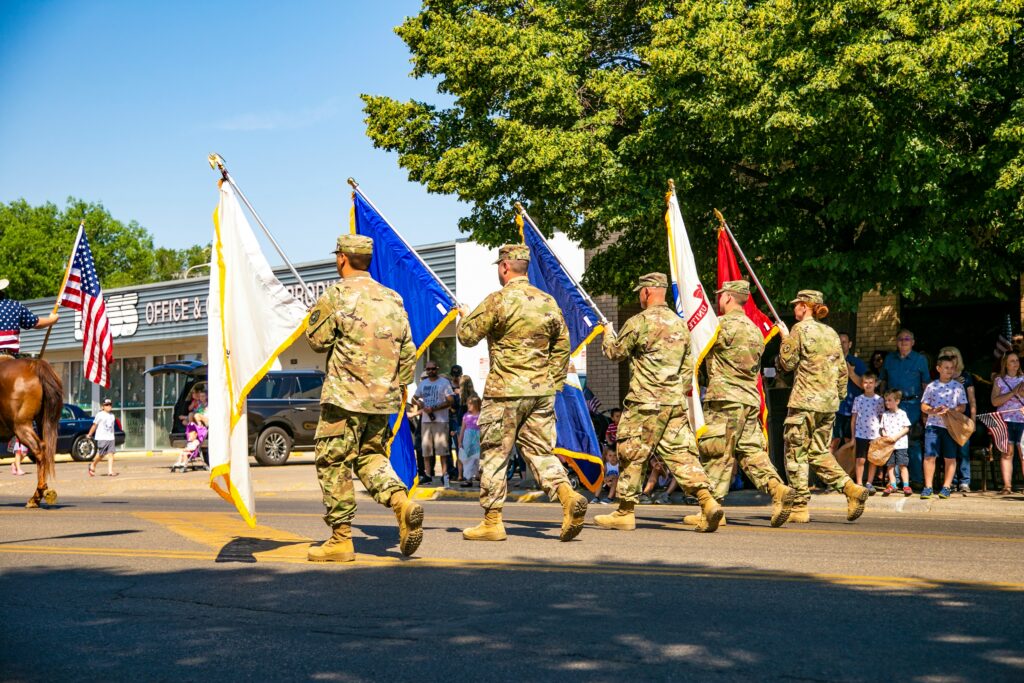
Behind every service member in uniform stands someone whose strength often goes unnoticed. Someone who moves across the country—or even the world—without complaint, manages a household during long deployments, comforts children missing a parent, and continues to support their spouse through the many uncertainties of military life. That someone is the military spouse. Military spouses are the unsung heroes of military service. Their contributions may not be etched into medals or honored in parades, but their sacrifices are profound and enduring. In this blog article, we shine a spotlight on the resilience, courage, and love military spouses bring to their families and communities. We also explore how educational institutions like DSDT are helping military spouses find purpose, empowerment, and opportunity through accessible, career-focused programs. The Often Invisible Role of Military Spouses Military spouses live a life of constant change. Frequent moves, uncertain deployments, and shifting roles mean that stability is often a luxury. While the service member fulfills duty to country, their spouse takes on multiple roles—parent, teacher, counselor, caregiver, financial planner, and so much more. Key Challenges Military Spouses Face: Despite all this, military spouses rarely complain. Their strength is often quiet, their service behind the scenes—but no less vital. Resilience in the Face of Adversity Military spouses are resilient by necessity. They learn to adapt, to support, and to thrive even when faced with emotional and logistical hurdles. Whether it’s moving to a new country, parenting alone, or building a new life from scratch every few years, these individuals show extraordinary grit. Their resilience isn’t just about surviving hardships—it’s about transforming them into strength, leadership, and purpose. Many military spouses: Their sacrifices build strong families and strong communities—and deserve widespread recognition. The Emotional Labor of Military Life The emotional toll of being a military spouse is immense. Saying goodbye during deployment, celebrating milestones alone, or calming a child crying for their absent parent are all daily realities. Military spouses are the emotional anchors of their families. Emotional challenges include: Many spouses put their own mental health on hold while caring for their families. Recognizing this invisible labor is essential in understanding the full impact of military service on the home front. Why Education Is Empowerment for Military Spouses For many military spouses, education becomes a pathway to independence, stability, and self-fulfillment. It allows them to build portable careers that can withstand relocations, gaps in employment, and the unique demands of military life. Institutions like DSDT understand these unique needs and provide: DSDT offers programs in digital marketing, business technology, healthcare, IT, and more—all fields that are in-demand and location-flexible, ideal for spouses on the move. 🎓 Explore your options today: DSDT Military Benefits. Portable Careers: A Game Changer for Spouses Military spouses often look for careers that are portable—roles that can move with them across states and countries. DSDT helps military spouses train for jobs that fit this lifestyle, such as: These programs help spouses take control of their future, regardless of where the military takes them next. ✅ Ready to take the next step in your journey? Apply Now to join DSDT today. Real Stories: Military Spouses in Their Own Words Maria, Army Spouse and Medical Assistant Student “Before I found DSDT, I was stuck. We had moved three times in five years, and every time I had to start over. DSDT gave me a chance to finally build something for myself. I study online while raising my kids, and I’m graduating this year!” Tasha, Navy Spouse and Digital Marketer “Freelancing was always something I wanted to try. The digital marketing program at DSDT showed me how. Now I manage social media for local businesses—even while living overseas with my husband!” These stories are not rare. Every day, military spouses are carving their own paths—quietly, bravely, and successfully. Building a Supportive Educational Environment DSDT isn’t just a school—it’s a community that understands military life. We provide personalized support services to help military spouses succeed: We know what it takes to thrive in a mobile, unpredictable lifestyle. And we’re committed to walking that journey with you. The Importance of Community for Military Spouses A strong support network is crucial for mental health and success. While military life often uproots connections, many spouses find ways to build community wherever they go. How to build support: Through education and shared experience, DSDT’s programs help spouses form meaningful relationships, even across distances. Recognizing the Power of Advocacy Military spouses are increasingly raising their voices to create change. From improving employment laws to expanding mental health services, these advocates are making sure that their unique needs are recognized and addressed. Recent progress includes: When given the tools and platform, military spouses don’t just survive—they lead. Celebrating the Silent Strength: Ideas for Action Honoring military spouses isn’t just a gesture—it’s a responsibility. If you know a military spouse or want to support their journey, here are simple ways to show your appreciation: Appreciation doesn’t always require grand gestures—sometimes, the most meaningful support is the kind that says, “I see you.” DSDT: Your Ally on the Journey At DSDT, we believe that military spouses should not have to choose between supporting their families and pursuing their dreams. Our programs are built to adapt to your lifestyle, your goals, and your timeline. Why military spouses choose DSDT: 📘 Learn more about how we support military families: DSDT Military Benefits. Final Thoughts: Honor Through Empowerment Military spouses may not wear uniforms, but their sacrifices, strength, and endurance are just as honorable. They deserve not just appreciation—but opportunity, empowerment, and recognition. By investing in their education, amplifying their voices, and making space for their dreams, we turn gratitude into action. At DSDT, we’re proud to stand with military spouses—not just on Military Spouse Appreciation Day, but every single day. ✍️ Are you a military spouse ready to reclaim your future? Apply now and join a college that sees your strength and supports your journey.